
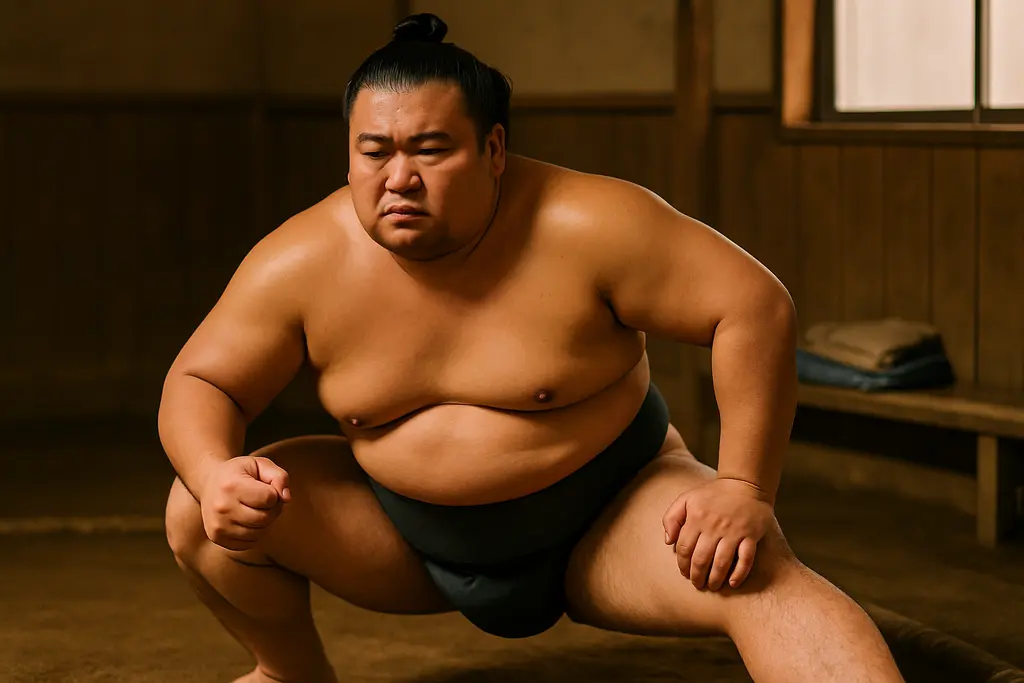
Sumo League Austin is scheduled for Saturday, October 10, 2026, at the H-E-B Center at Cedar Park, giving Central Texas sports families a new event to plan around before the fall calendar gets too crowded official league schedule. The event opens Season One for Sumo Championship League, with later stops listed for Chicago on November 7, 2026, and Ontario, California, on December 19, 2026.
For parents, coaches, youth athletes, and local sports organizers, the value is not only the event date. It is the chance to introduce a traditional strength sport in a setting that the league has framed around sportsmanship, honor, and respect. That framing matters in a city where families are used to comparing events by safety, access, learning value, and whether young athletes can walk away with something useful for their own training mindset.
Why Sumo League Austin Fits Local Sports Planning
Sumo League Austin Basics For Families
The first planning step is separating what is confirmed from what still needs to be watched as October 10 approaches. The confirmed pieces are clear: Sumo Championship League lists Austin as the first stop of its first season, and the venue is H-E-B Center at Cedar Park. For families north of Austin, that location may feel familiar from other arena events. For families coming from farther south or east, travel time, parking plans, meal timing, and late-evening routines should be part of the decision.
The event also brings an international athlete mix. Sumo Championship League has around 45 athletes representing nine countries, including the United States, Canada, Ukraine, Georgia, and Australia, according to a local Axios report that also identified Stuart Snyder as the league founder and CEO local Axios report. That international element can help coaches and parents present the event as more than a night out. It can become a lesson in sport culture, preparation habits, body control, respect between opponents, and how different athletic traditions are introduced to American audiences.
What Is Confirmed About The Event
Ticket prices have been reported as starting at about $45, so families planning for multiple children should treat the event like any other paid sports outing: decide the budget early, account for transportation, and be realistic about school-night recovery even though the event falls on a Saturday. Because the league is new, families should keep checking official event information rather than relying on reposted schedules or secondhand social media summaries.
For youth athletes, the most useful angle may be observation. Sumo rewards balance, footwork, leverage, strength, patience, and fast decision-making. Those are qualities that show up in football line play, wrestling, rugby, throwing events, and even basketball post defense. Coaches can use the event as a conversation starter without pretending every athlete needs to try sumo. The better message is that every sport has principles worth studying.
Community Outreach Before October 10
Start With Local Sports Groups
A smart outreach plan should begin with the people already bringing kids and adults to practices every week. Wrestling clubs, football line coaches, martial arts gyms, strength coaches, recreation teams, and school athletic communities all have natural reasons to be curious. Sumo League Austin can connect with these groups by speaking in practical sports language: stance, push, grip, recovery, respect, and competitive control.
Local organizers should avoid presenting the event as a novelty only. That may get a quick laugh, but it misses the athletic value. A better approach is to invite coaches to frame the event around movement and mindset. A youth wrestling coach might talk about center of gravity. A football coach might point out hand placement and lower-body drive. A strength coach might discuss how powerful athletes stay controlled under pressure.
Community groups can also borrow event-planning ideas from other local sports education efforts. For example, our piece on community sports symposiums looks at how organizers can bring partners, families, and sessions together around shared goals. The same principle fits here: clear communication, family access, and respect for different experience levels will help first-time sumo spectators feel included.
Make The Sport Easy To Understand
The best community engagement before October 10 may be simple education. Many families will not know the rules, terms, or match flow. Short explainers from coaches, recreation leaders, or team parents can help. The goal is not to turn everyone into an expert. The goal is to help a parent sitting with a middle-school athlete understand why a quick bout can still show years of training.
- Share the basics early: Explain that sumo is built around forcing an opponent out of the ring or causing a body part other than the soles of the feet to touch the surface.
- Connect it to familiar sports: Compare stance, balance, and first-step power to skills young athletes already practice.
- Set behavior expectations: Emphasize respect for athletes, officials, and cultural traditions before families arrive.
- Invite questions: Give kids space to ask about size, training, rituals, and rules in a respectful way.
This kind of preparation helps families arrive with curiosity instead of confusion. It also supports the league’s family-friendly positioning by keeping the focus on athletic discipline rather than spectacle.
Family Planning At H-E-B Center At Cedar Park
Set Expectations Before Event Day
Parents know that a good sports outing starts before anyone reaches the arena. For Sumo League Austin, families should build a basic plan around arrival time, parking, seating needs, food, and the attention span of younger children. Since this is the league’s first event, it is smart to leave extra time for entry and wayfinding. New events can have a different rhythm from familiar local games, and a relaxed arrival helps everyone settle in.
Coaches bringing a group should assign clear meeting points and make sure parents know whether athletes are attending as a team activity or as individual families. If a club or team wants to use the event as a learning night, leaders can give athletes two or three things to watch for: how competitors enter the ring, how quickly balance changes, and how athletes respond after a win or loss.
Keep Youth Athletes Connected
The strongest youth sports lesson may come after the event. Ask athletes what surprised them. Ask which movements looked familiar from their own practices. Ask how athletes showed respect before and after a bout. These conversations can make the outing valuable even for kids who do not follow combat sports.
For high school athletes, especially those in wrestling, football, powerlifting, and track throws, the event can also open a broader discussion about cross-training and body awareness. Not every training idea transfers directly, and young athletes should always work with qualified coaches. Still, watching elite competitors in another sport can help them see their own training with fresh eyes.
Sumo League Austin also gives parents a chance to model good sports curiosity. Instead of judging a sport by first impressions, families can ask what skills are being tested, how athletes prepare, and what values the competition promotes. That mindset travels well across every youth sport.
What Sumo League Austin Can Build With The Community
Practical Measures After Opening Night
The October 10 event can be more than a one-night arena stop if the follow-up is thoughtful. Local coaches, recreation leaders, and family groups can gather feedback from attendees: Did families understand the match format? Did young athletes feel engaged? Were there enough learning points before and after the event? Those answers can help shape future outreach if the league returns to Texas or if local clubs decide to host related educational sessions.
Community partners should also think about access. If families respond well, future efforts could include coach-led rule explainers, youth strength-and-balance clinics inspired by the sport, or cultural education sessions that treat sumo with respect. Any youth programming should be age-appropriate and led by qualified instructors, with safety and proper supervision placed first.
For Austin-area sports families, the bigger opportunity is building a wider sports vocabulary. Sumo League Austin introduces a competition style many young athletes have not seen in person. If the event is presented with care, it can support curiosity, respect, and better conversations about what athletic excellence looks like across different sports traditions.