
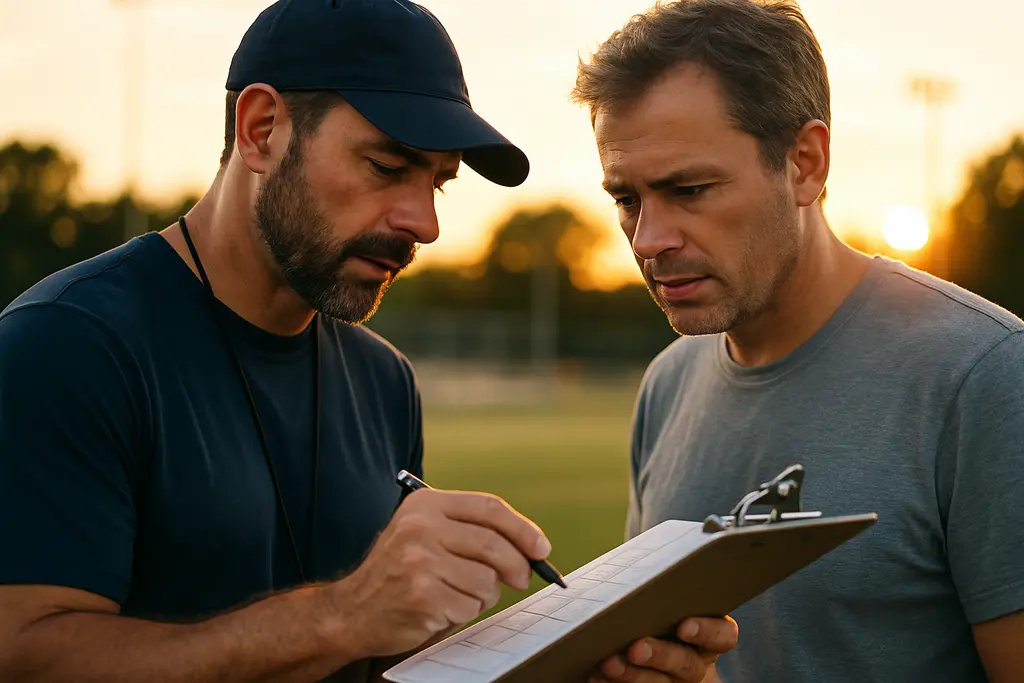
parent-coach communication works best when families hear the same message before the first practice, before the first form deadline, and before a tense game-night moment. In Texas school athletics, recent UIL-related reminders give coaches, athletic directors, and parents a clear starting point: training expectations, eligibility paperwork, safety acknowledgments, and sportsmanship standards should not stay inside an office folder. They should be explained in plain language, repeated through trusted channels, and tied to the team culture athletes experience every day.
That matters for local programs because most friction does not begin with a lack of care. It often starts when parents do not know who to ask, coaches assume a form was understood, or athletes get mixed messages about conduct, health reporting, or eligibility. A strong communication plan respects the work coaches do while giving families enough information to support their children responsibly.
parent-coach communication Starts Before Practice
The preseason meeting is more than a calendar review. It is the best time to set the tone for how adults will talk with one another during a long school year. Coaches in grades 7-12 must complete the UIL Coaches Certification Program each year before their sport season, or before the first day of school if the sport is not in season; coaches hired less than one week before the season start, or after the first day of school, have 30 days to complete it, according to the UIL Coaches Certification Program guidance. Sharing that timeline with parents helps families understand that training is not optional background work. It is part of the coach’s annual responsibility.
A parent-coach communication Meeting Agenda
A useful parent meeting should explain the team’s communication chain, the coach’s preferred contact method, expected response windows, and topics that are better handled in person. Playing time questions, athlete health concerns, eligibility issues, travel plans, and classroom performance do not all need the same channel. Coaches can lower stress by saying what belongs in an email, what needs a scheduled conference, and what should go through the athletic trainer, campus coordinator, or athletic director.
Good parent-coach communication also means showing parents what coaches are trained to manage. The UIL Coaches Certification Program includes ethics and sportsmanship, safety training, concussion training under state law, UIL steroid education, sport-specific rules, and constitution and contest rules. A one-page parent summary of those topics can build trust without turning the meeting into a compliance lecture.
Set The Chain Before A Concern
Families should know the first point of contact before a concern becomes emotional. A simple order can help: athlete speaks with the coach when appropriate, parent requests clarification from the coach, and unresolved concerns move to the athletic director or campus administrator. This order should not be used to block parents from raising safety issues. Instead, it gives everyone a fair route for questions while protecting the team from hallway rumors and sideline arguments.
For a related structure on timing, feedback, and shared expectations, see these coach-parent communication channels. The key is consistency. If one family receives a text, another hears from a booster volunteer, and another waits for a social post, trust will fade quickly.
UIL Forms Families Need To Understand
UIL paperwork is not just an administrative hurdle. It is one of the clearest places where parents, students, coaches, and campus staff share responsibility. The UIL requires parent and student signatures each year on several items, including the Rules Acknowledgment Form, Medical History Form, Concussion Acknowledgment Form, Illegal Steroid Use and Random Testing Notification/Agreement Form, and Sudden Cardiac Arrest Awareness Form. The Pre-Participation Physical Examination is required every first and third year of high school, as listed in the UIL athletics eligibility rules.
Make Paperwork A Teaching Moment
For parent-coach communication, the best practice is not only sending forms early. Coaches and athletic staff should explain why the forms exist, what families need to complete, and who can answer questions. A digital reminder may solve one problem, but a short explanation solves a deeper one: parents understand that eligibility and health forms protect participation opportunities and athlete welfare.
Schools can use a preseason email, team app notice, or parent meeting slide to separate forms into categories. Safety forms should be grouped together. Eligibility forms should be explained in plain language. Medical forms should include the campus process for submission and review. The research provided for this article does not include district-specific deadlines, so each program should publish its own dates rather than relying on families to guess.
Eligibility Questions Need Early Answers
Eligibility concerns can be stressful for families, especially when a student is new to a campus or changing schools. Coaches should not guess on eligibility details in a team chat. A better habit is to tell families where questions should go, which campus staff member handles eligibility paperwork, and when parents should raise concerns. That protects the student from avoidable delays and protects the coach from giving casual advice on a rule-sensitive topic.
A summer or early-year notice can be enough for many programs. It should tell families that UIL eligibility rules exist, that forms must be complete before participation, and that the athletic department can direct questions to the correct staff member. Clear language helps parents act early instead of finding out during roster decisions or the week of a contest.
Safety And Sportsmanship Messages Should Match
A team’s safety message and sportsmanship message should sound connected. Parents need to hear that athlete welfare, conduct, and eligibility are part of one shared standard. Coaches can explain how injuries are reported, how suspected concussion concerns move beyond the sideline, and which non-coach staff or administrator is responsible for compliance steps when required. The research provided notes that Texas law places specific return-to-play supervision duties outside the coach role, so families should know who that person is at their school.
Use Plain Language For Health Protocols
Parents do not need medical jargon to understand their role. They need clear instructions: report symptoms, do not pressure an athlete to hide pain, follow school procedures, and ask the right staff member when unsure. This is where preseason communication can protect athletes long before a trainer or administrator is needed.
Coaches should also remind parents that safety conversations are not limited to varsity athletes. The UIL Coaches Certification Program applies to grades 7-12, so middle school and sub-varsity families deserve the same clarity. In many communities, younger athletes and their parents are still learning how school sports differ from youth leagues. That makes early education even more valuable.
Address Conduct Before Game Night
Sportsmanship should be discussed before emotions rise. Parents should hear expectations for behavior toward officials, opposing athletes, other parents, and their own team. Coaches should also explain how concerns after a contest should be raised. A 24-hour pause for non-safety concerns can help adults speak with perspective, but urgent welfare issues should always be reported right away.
The same message should apply to coaches. If a coach is removed from a contest for unsportsmanlike conduct, the research provided notes UIL reporting expectations to an immediate supervisor. Programs should have a parent-facing plan for how serious conduct incidents are addressed, who speaks for the school, and how the team will reset expectations. That does not mean sharing private personnel details. It means families deserve a calm, accountable message that protects students from speculation.
Communication Tools That Fit Local Teams

Texas programs vary widely. Some teams have full athletic department support, athletic trainers, and media staff. Others lean on a head coach, a campus secretary, and parent volunteers. The best system is the one families can actually follow. One official channel for schedules, one channel for urgent notices, and one process for private concerns is often enough.
- Preseason: share coach training topics, form deadlines, eligibility contacts, and conduct expectations.
- Weekly: send practice times, travel notes, academic reminders, and any schedule changes.
- After incidents: communicate verified facts, next steps, and the correct contact person.
- End of season: ask parents what was clear, what was confusing, and what should change.
Booster clubs and parent volunteers can help with meals, spirit events, and team support, but they should not become the main source for rule explanations or eligibility guidance. Coaches and administrators should keep authority clear so families know which messages are official. That protects volunteers, too, because it keeps them from being placed in the middle of sensitive school decisions.
Why parent-coach communication Protects UIL Teams
Strong parent-coach communication protects more than a coach’s inbox. It protects athletes from missed forms, unclear safety steps, avoidable eligibility confusion, and adult conflict that can spill into the team environment. It also gives parents a respectful role in the program without asking them to guess how school athletics work.
The best local programs do not wait for a complaint to explain their standards. They teach families early, repeat the message through the season, and keep the focus on students. UIL rules and training requirements give Texas teams a foundation. The community work is turning that foundation into habits families can see, understand, and trust.