
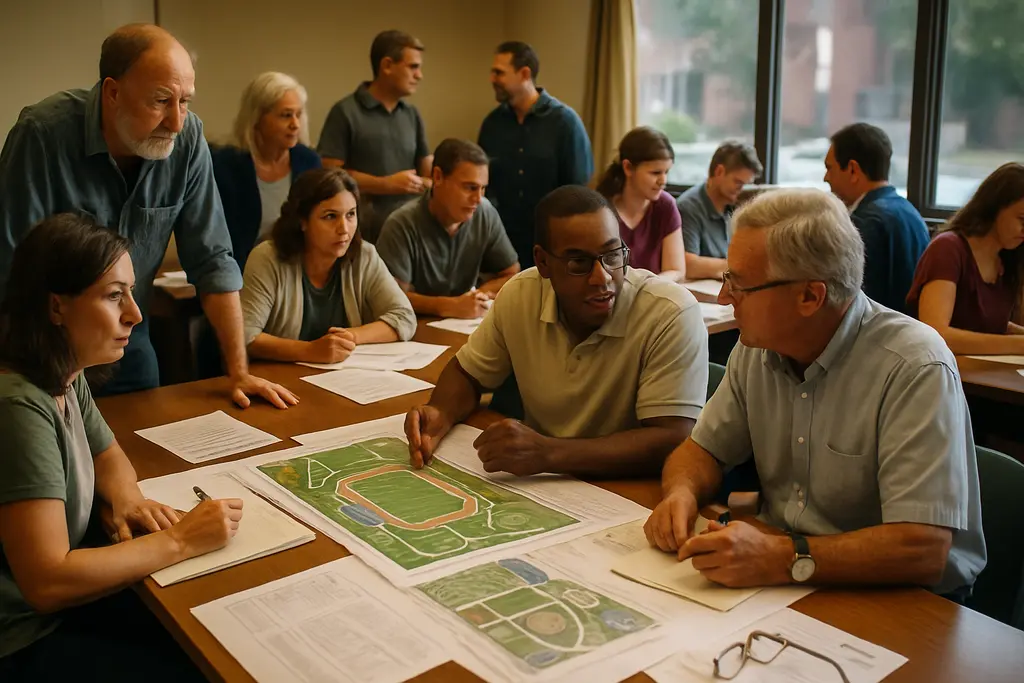
Odessa Sports Complex planning is no longer just a city project update; it is a sports readiness conversation for families, coaches, tournament directors, school programs, and local businesses across West Texas. As of October 6, 2026, the project is in its construction window, with public records listing an estimated construction start date of October 30, 2025, and an estimated completion date of October 30, 2027. That completion date should not be treated as an opening date for games or tournaments, but it gives the community a useful timeline for preparing access, programming, staffing, and event partnerships.
The project has the potential to change how Odessa hosts youth and amateur sports. The strongest planning work now is not hype; it is clear, practical preparation. Families will want to know how fields and courts may be scheduled. Coaches will want fair access for practices and tournaments. Local businesses will want enough lead time to prepare for visiting teams. City leaders and project partners will need to keep communicating what is confirmed, what is still being decided, and how public use will be handled once the facility moves closer to opening.
Odessa Sports Complex Planning Priorities
Odessa Sports Complex Features For Athletes
The project is being built on a 100-acre tract of land donated by Larry and Ellen Bell within the Parks Bell Ranch master-plan development. Public project information points to a large indoor and outdoor sports campus designed for tournament play, training, recreation, and community use. The Texas Department of Licensing and Regulation project filing lists an estimated cost of $81 million and identifies the October 30, 2025 to October 30, 2027 construction schedule in its project details.
The indoor component has been described in project materials as approximately 140,000 to 177,752 square feet, which signals that some public references differ by source or project phase. The supported planning takeaway is that Odessa is preparing for a sizable indoor venue. Listed sports uses include 10 basketball courts, 20 volleyball courts, or up to about 30 pickleball courts, plus strength and conditioning areas, medical or therapy partners, and a 200-meter banked indoor competition track. For local athletes, that combination matters because it could support training, league play, and multi-court tournament formats under one roof.
Outdoor Fields And Family Spaces
The outdoor plans are just as important for the local sports calendar. Research notes describe roughly 12 baseball and softball diamonds, 10 multi-sport flat fields for sports such as soccer, football, and lacrosse, a community amphitheater, a splash park, walking trails, and more than 2,000 vehicle parking spaces. Those features point to a venue that is not limited to one sport or one age group.
For high school and club programs, the number of fields could reduce pressure on existing facilities if access policies are fair and scheduling is clear. For families, the park and walking trail elements could make long tournament days more manageable, especially for siblings and grandparents who may not sit through every game. The City of Odessa also states that the Bell family pledged $3.6 million for the Amy Bell Memorial Children’s Park, an approximately 8-acre children’s park within the project, on the city’s sports complex page.
What Teams And Families Can Plan For
Tournament Scheduling And Local Use
For the Odessa Sports Complex to serve Odessa well, early conversations should separate tournament tourism from everyday community use. Regional events can bring hotel stays, restaurant traffic, retail spending, and more visibility for local athletes. Still, a public-facing sports venue must also answer basic community questions: Which groups get access? How far in advance can teams reserve space? Will school programs, youth leagues, adaptive sports groups, and recreation users have defined windows?
Those questions should be asked before the first major tournament calendar is built. The research notes say a feasibility study confirmed a viable local, sub-regional, and regional market to support indoor and outdoor events, including tournaments. That is promising, but the best sports planning is measured by more than booked weekends. It also looks at weekday training slots, affordable participation, traffic flow, restrooms, shade, hydration points, emergency access, and how families move safely between parking, fields, courts, and park areas.
Why Ice Sports Were Not First
One planning detail that deserves plain language is the decision not to include ice sports in the first phase. Research notes say ice rinks were considered, but were not included in the initial phase because operating costs would outweigh projected revenue. That does not lessen the value of the complex. It shows that first-phase planning is focused on sports uses with a stronger fit for the projected budget, operations, and local market.
For parents and athletes, this matters because it helps set realistic expectations. The first phase is centered on indoor courts, outdoor fields, track space, park components, and tournament-ready infrastructure. If future phases are discussed, community members should ask the same questions: Who will use the space, what will it cost to operate, how will access be shared, and how will the project support Odessa athletes without placing unfair pressure on public resources?
Community Benefits And Local Sports Identity

Economic Impact Without Empty Hype
Sports tourism can help a city, but it works best when the community prepares carefully. Visiting teams need lodging, meals, fuel, medical support, retail options, and clear directions. Local restaurants and small businesses benefit most when tournament schedules are shared early enough for staffing and inventory planning. Hotels benefit when event organizers coordinate room blocks responsibly. Families benefit when event costs are transparent and travel plans are not rushed.
The Odessa Sports Complex is expected to be a regional draw for tournaments and sporting events. That can support the local economy, but the benefit should be tracked through real measures once events begin: hotel occupancy tied to tournaments, local vendor participation, park usage, youth league access, and feedback from coaches and families. A strong facility should not only bring teams into town; it should also create a better sports experience for the athletes who already call Odessa home.
Ethical Planning For Youth Sports
Community trust grows when planning is clear and fair. That means publishing key policies in plain language, including reservation rules, fee structures, field-use priorities, photo and media rules for youth athletes, and safety expectations during large events. Odessa can also learn from other Texas sports infrastructure conversations, including how access, public trust, and youth use were discussed in sports complex ethics coverage.
Ethical storytelling matters here because sports facilities can become symbols of community pride before they are fully tested in daily use. The better approach is to keep the focus on athletes, families, coaches, and public value. No single venue solves every need, but a well-run complex can create more playing opportunities, better tournament hosting, and a stronger connection between recreation, school athletics, club sports, and local business support.
- Families: Track public updates on parking, park access, tournament rules, and youth league scheduling.
- Coaches: Begin identifying possible training, showcase, and tournament needs without assuming final access policies.
- Local businesses: Prepare for event weekends by watching confirmed schedules once they are published.
- Community leaders: Keep access, affordability, safety, and maintenance in the same conversation as tourism impact.
Odessa Sports Complex And Community Readiness
The Odessa Sports Complex is not only a construction project; it is a planning test for how Odessa wants to support sports participation. As of October 6, 2026, the project remains in its scheduled construction period, with completion estimated for October 30, 2027. Public notes also listed a topping-out ceremony for October 7, 2026, at 10:00 a.m., marking a construction milestone rather than an opening for play.
The most useful next step for the community is steady preparation. Odessa should keep families informed, give coaches realistic timelines, protect fair access, and help local businesses understand how tournament weekends may work. If those pieces come together, the complex can serve more than visiting teams. It can give Odessa athletes better places to train, compete, recover, and build memories close to home.