
NHL expansion Texas is not just a pro sports boardroom topic. For families, coaches, youth leagues, photographers, and local sports organizers, the discussion raises a bigger question: how does a new hockey identity take root in a state already shaped by football Fridays, club soccer weekends, baseball tournaments, and the Dallas Stars’ long-running presence?
On June 23, 2026, the NHL began a six-month evaluation process with the Friedkin family, led by Dan Friedkin, to explore a possible new franchise in Houston or Austin, Texas, according to NHL expansion details. As of September 9, 2026, the process had not produced an approved franchise, and Deputy Commissioner Bill Daly said the league still had work to do before the Board of Governors could be convinced on market and infrastructure questions, as reported by The Washington Post.
That gap between interest and approval matters. Community trust is built during uncertain periods, not just after a team name, arena plan, and first puck drop are settled. For Texas sports communicators, the job is to explain what is known, what remains open, and how local families could fit into hockey growth without overstating the timeline.
NHL expansion Texas Starts With Local Identity
NHL expansion Texas Timeline
The verified timeline begins on June 23, 2026, with the NHL’s formal evaluation process involving the Friedkin family and the possibility of a franchise in either Houston or Austin. The evaluation was described as a six-month process. By September 9, 2026, the league had not approved expansion, and the Board of Governors still had to be convinced on key items tied to market strength and infrastructure.
That timing creates a communication challenge. Houston and Austin are very different sports markets, and each would need its own identity story. Houston brings major-league scale and a broad regional fan base. Austin brings a fast-growing sports profile and a culture that has shown strong support for live events. The research does not confirm which city has the inside track, so responsible messaging should avoid treating either city as the chosen site.
Houston And Austin Need Distinct Stories
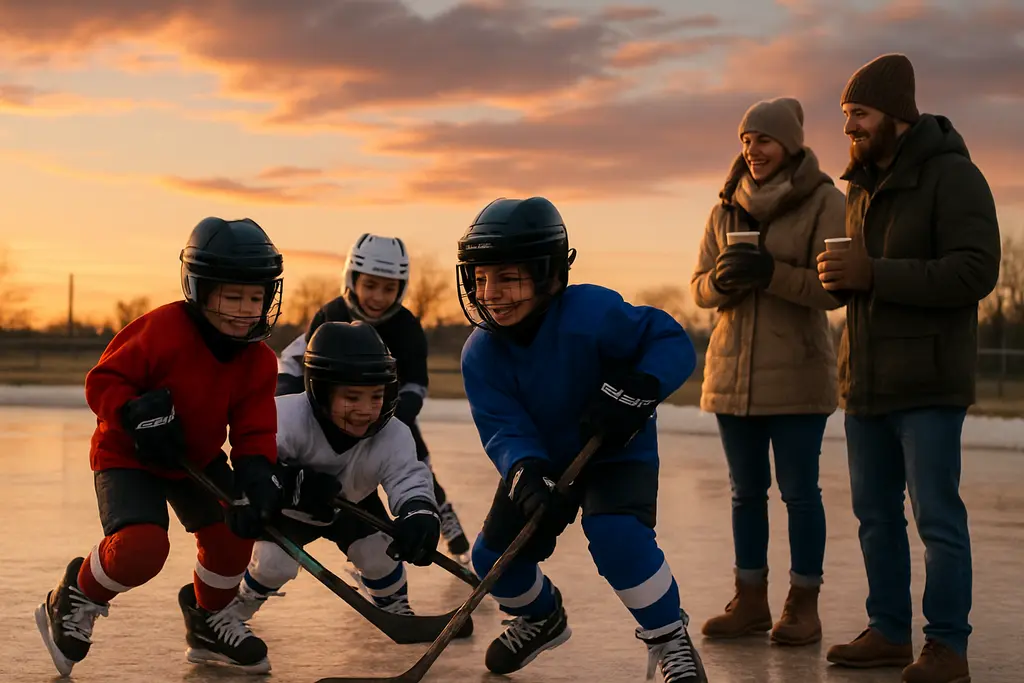
For local photographers and youth sports storytellers, the best images would not be ribbon-cutting photos or staged hype. They would be real moments: a young skater pushing off for the first time, a coach kneeling to adjust a helmet, siblings pressed against the glass, or a team huddle after a hard shift. Those moments tell families that hockey is not only a spectator product. It can be a participation sport, a weekend routine, and a shared local language.
For local communicators, NHL expansion Texas should be framed around belonging. A new franchise would need more than a logo. It would need clinics, school outreach, rink access, clear facility updates, and steady information for families who have never priced hockey gear or entered a rink. Community identity grows when people see a path from watching the pros to trying the sport close to home.
How Youth Hockey Gives The Story A Base
Dallas Stars Outreach Shows The Starting Point
Texas is not starting from zero in hockey. The Dallas Stars have pushed a statewide identity through programs described in the research as “One State, One Team.” In May 2026, the Stars partnered with the City of McAllen to improve facilities at the McAllen Multipurpose Pavilion and support floor hockey, roller hockey, and youth outreach. That kind of work matters because it brings hockey language into communities that may not have easy access to ice.
The Dallas-Fort Worth youth hockey base also gives useful context. After Dallas returned to the Stanley Cup Final in 2020 following a 20-year gap, more than 650 children enrolled in the Stars’ Rookies program across eight StarCenter rinks, according to the research notes. The same notes report that girls’ participation in the Stars youth program had topped 1,800 by 2020, more than double the prior year.
Photographing First Touches On The Ice
As a sports photographer, I pay close attention to the first few minutes of a youth session. That is where growth becomes visible. A player may not know how to stop yet, but the photo of that player leaning forward, chasing balance, and smiling through the work often says more than a posed team picture. Dynamic youth sports images help families remember why they tried something new in the first place.
If another NHL club eventually comes to Texas, youth programs will need visual proof that the sport is open to beginners. Photos should show instruction, effort, safety, teamwork, and the mix of ages and backgrounds in the rink. That is especially true in markets where hockey may feel unfamiliar or expensive. The message should be simple: this sport has a place for first-timers.
Communication Strategies For Fans And Families
What To Say Before Approval
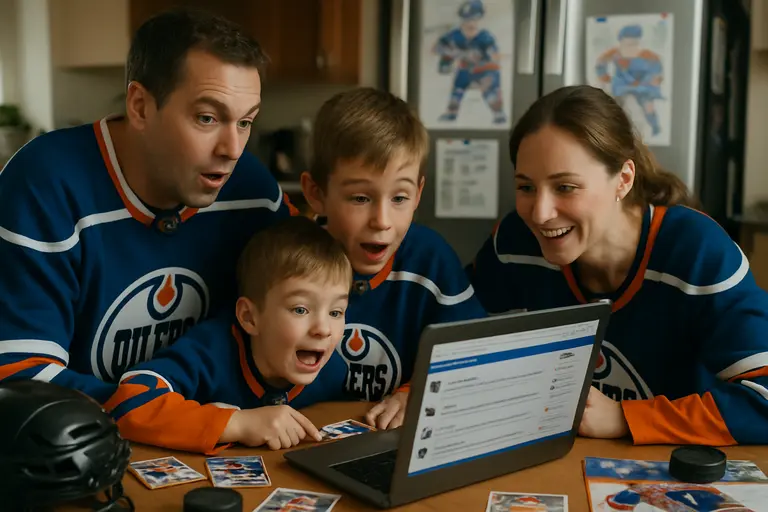
The clearest public message right now is that expansion interest is real, but approval had not happened as of September 9, 2026. That wording protects trust. It helps local media, youth leagues, venues, and civic leaders talk about the possibility without promising a franchise, a city, an opening night, or a completed arena plan.
Families respond well to direct language. If a youth league is using the expansion discussion to host a hockey clinic, it should say the event is about introducing the sport, not celebrating a team that has not been awarded. If a city is discussing arena needs, the communication should separate confirmed league evaluation from future decisions on funding, construction, and public access.
How Images Can Build Trust
Strong photography can support that careful messaging. In community sports, a good image should answer a real question. Who gets to participate? What does practice look like? Are girls included? Are beginners welcomed? Are coaches hands-on? Are families present? The right photo set can make those answers visible before a parent reads a flyer or signs a waiver.
For editors and league organizers, the image plan should include action, reaction, and place. Action shows skating, passing, shooting, and coaching. Reaction shows families, benches, and post-practice moments. Place shows rinks, school gyms, multipurpose pavilions, and local facilities that connect the sport to a neighborhood. The same approach applies to arena conversations, where family input and access questions are part of broader sports planning; our related look at Plano arena engagement shows how venue talk can connect with youth sports priorities.
- Use confirmed dates: Refer to June 23, 2026, as the start of the NHL evaluation process and September 9, 2026, as the date when approval had not yet happened.
- Avoid false certainty: Do not present Houston or Austin as selected unless the NHL confirms it.
- Center families: Explain how clinics, rink access, school programs, and beginner pathways could matter for young athletes.
- Show the work: Use photos of real coaching, drills, and participation rather than only crowd shots or civic meetings.
What NHL expansion Texas Means For Community Growth
Sports Growth Depends On Access
A potential franchise could raise hockey’s profile in Texas, but lasting growth would depend on access. The research points to existing outreach through the Dallas Stars, youth enrollment spikes after high-profile team success, and rising girls’ participation. Those are useful signals, but they do not replace the need for local facilities, affordable entry points, and consistent coaching support.
If NHL expansion Texas moves from evaluation to approval, community leaders should measure success by more than ticket demand. A stronger test would be whether more children can try hockey close to home, whether schools and nonprofits receive practical equipment support, whether girls’ programs keep growing, and whether families feel invited into a sport that may be new to them.
For Texas sports media and photographers, the assignment is clear: document the human side before the pro spotlight gets too bright. The defining images may not come from a future NHL opener. They may come from a beginner clinic in Houston, a roller hockey session in Austin, a floor hockey day in South Texas, or a North Texas rink where a young player learns to trust their edges. That is where community identity takes shape, one frame at a time.