
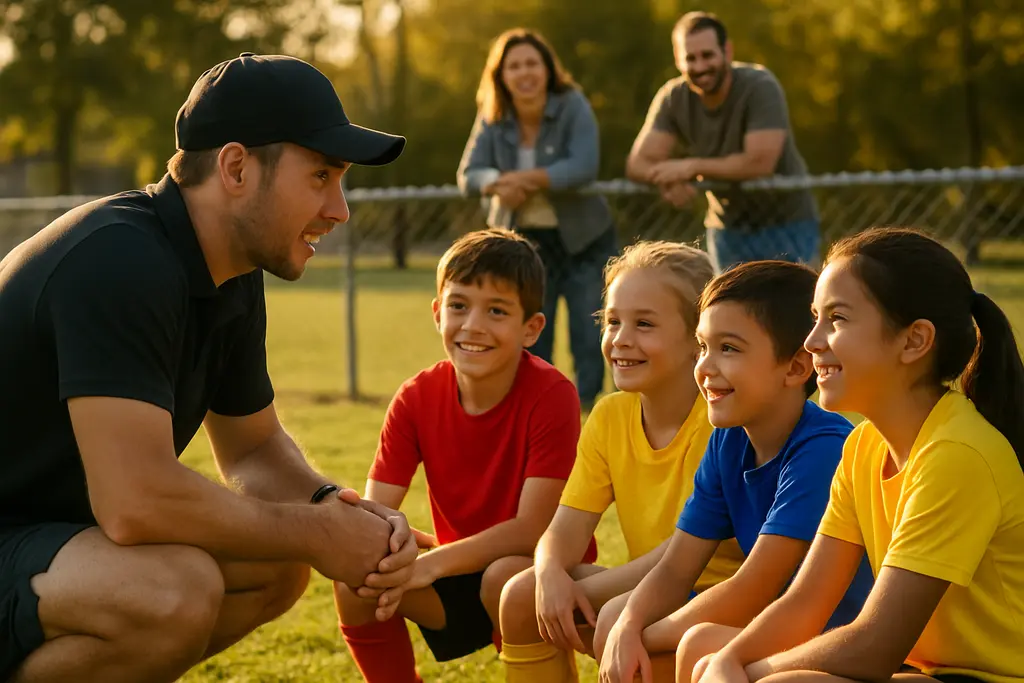
Coach Parent Communication works best when families know where to get schedule details, how to ask sport questions, and when a concern needs a private conversation. In youth sports, the communication plan is not a side task. It shapes how players hear feedback, how parents understand decisions, and how coaches protect the team environment.
The need is clear. In a 2021 survey of 6,641 parents in Miyagi, Japan, 29.4% said they felt a lack of communication with their child’s coach, with higher risk tied to factors such as a child’s short time in the sport, a parent’s lack of prior sport experience, and awareness of verbal or physical abuse or bullying PubMed youth sports survey. While that survey was not based in Texas, the findings fit a concern many community programs recognize: parents often need context before frustration grows.
An April 2026 USA TODAY report carried by Yahoo Sports also pointed to the athlete side of the issue, citing Aspen Institute Project Play data that nearly one-third of youth baseball players, with similar shares in football and basketball, said they disliked their sport because of bad coaching Yahoo Sports youth sports report. That does not mean every hard practice or tough lineup choice is a problem. It does mean coaches should explain values, standards, and decision-making in ways families can understand.
Why Coach Parent Communication Sets The Team Tone
A youth team’s tone is usually set before the first whistle. If the first parent message is a late schedule change or a rushed note about uniforms, families may assume communication will be scattered all season. If the first message explains team values, response times, safety expectations, and the right person to contact, parents have a clearer path.
Coach Parent Communication Starts Before The First Game
A preseason meeting remains one of the most useful tools for youth teams. It gives coaches room to say what the team will prioritize: effort, attendance, player development, respect for officials, and age-appropriate competition. It also gives parents a chance to learn how decisions will be made before playing time, positions, or tournament schedules become emotional topics.
For Texas youth leagues, school feeder programs, and club teams, that first meeting can help align families who come from different sport backgrounds. Some parents may have played the sport for years. Others may be learning rules, substitutions, and practice routines alongside their child. A clear opening message keeps the coach from repeating the same explanation one family at a time.
Set The Channel For Each Message
Every message should not travel through the same channel. Schedule updates belong in a place parents can check quickly. Player development concerns deserve more privacy. Safety matters need direct attention. A single group thread can be useful for reminders, but it can also become noisy if it carries every complaint, joke, late arrival note, and lineup question.
Good teams often define the channel by purpose. The key is not using the newest app. The key is making sure parents know what each channel is for and what kind of response to expect.
- Team app or email: schedules, practice changes, photo day details, field locations, and tournament reminders.
- Private message: attendance problems, injury updates shared by a parent, or questions about a child’s confidence.
- Phone call or meeting: repeated concerns, conflict, playing-time discussions, or behavior that affects team trust.
- Parent meeting: season goals, sportsmanship standards, volunteer needs, and shared team expectations.
What Parents Need To Hear From Coaches
Parents do not need access to every tactical detail. They do need enough information to support their child at home without working against the coach’s message. When coaches explain what they value, parents can reinforce the same habits: being on time, listening during drills, treating teammates well, and responding to mistakes with effort.
Make Development Visible
Many youth sports conflicts start because the adult conversation centers only on playing time. Coaches can lower that pressure by talking about development markers parents can see. For a young basketball player, that might mean defensive positioning, ball security, or communication on the floor. For a soccer player, it might mean spacing, first touch, or effort after losing possession. For baseball or softball, it might mean approach, fielding footwork, or focus between pitches.
This kind of language gives families a better way to judge progress. It also protects athletes from feeling that every game is a verdict on their worth. The goal is not to remove competition. The goal is to help parents see how practice habits connect to game chances.
Use Feedback Windows, Not Sideline Debates
The worst time for a serious parent-coach conversation is often right after a game. Emotions are high, athletes are nearby, and coaches may be responsible for equipment, officials, or the next field slot. A feedback window helps everyone. Coaches can ask parents to wait a set amount of time before raising a concern, then offer a private time to talk.
That boundary should go both ways. Coaches should not dismiss parents simply because they are emotional. Parents see their children closely and may notice stress, confusion, or fear that a coach misses during practice. Respectful feedback can help a coach adjust tone, clarify instruction, or spot a player who needs encouragement.
How Teams Can Build Trust Around Tough Topics
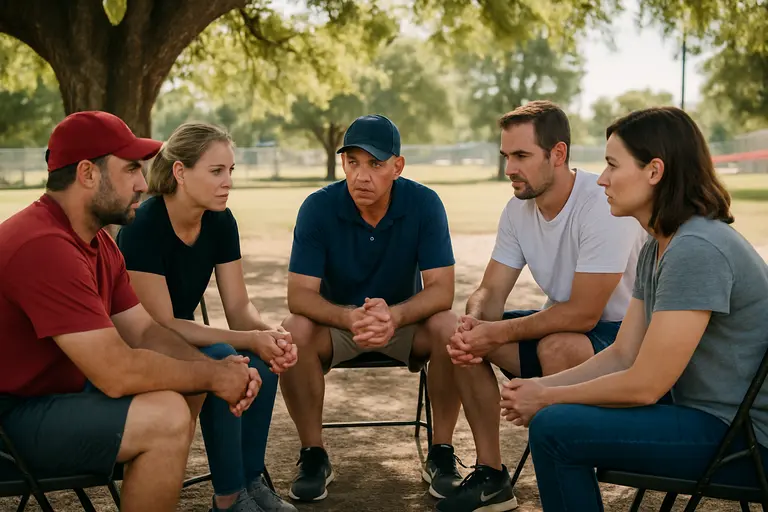
Trust grows when expectations are repeated, not saved for a crisis. Playing time, team roles, attendance, behavior, and parent conduct should be addressed before they become disputes. Coaches can say what they can discuss, what they cannot promise, and how they will protect athlete privacy.
Safety And Respect Belong In The Plan
The PubMed survey’s link between perceived communication gaps and awareness of abuse or bullying is a reminder that communication is also a safety practice. Parents need to know how to report concerns, who receives those concerns, and how the team will respond. Coaches need to use language that makes athletes feel safe asking for help.
Respect should include officials, opponents, teammates, and families. A coach who sets that standard early gives parents a shared script. Instead of correcting sideline behavior in the middle of a tense game, the coach can point back to a standard the team already accepted.
Shared Language Helps Local Leagues
Community sports depend on volunteers, school facilities, local businesses, and family schedules. Clear communication protects those relationships. A league that gives coaches templates for parent meetings, weekly updates, and conflict steps can make the season easier for new coaches and more predictable for families.
The same principle applies to team events outside competition. Picture day, fundraisers, uniform pickup, and tournament travel all run better when families receive simple directions in one place. For a practical example of organizing family messages around a busy team event, see this local resource on league picture day communication.
Coach Parent Communication For Stronger Youth Teams
Coach Parent Communication is not about giving parents control of the team. It is about giving families enough clarity to support the coach, protect the athlete, and reduce confusion. The strongest youth programs treat parents as partners without turning every decision into a group vote.
A simple plan can carry a team a long way: one channel for schedules, one process for private concerns, one preseason meeting, and one shared standard for respect. Coaches should repeat the plan often enough that families know where to go before frustration builds. Parents should use the plan in good faith, asking questions privately and keeping sideline comments athlete-centered.
For young athletes, the payoff is a calmer sport experience. They hear one message from the adults around them. They know mistakes can be coached without becoming family conflict. They learn that communication is part of team culture, not just a way to fix problems after they happen. That is how youth sports can stay focused on growth, competition, and community pride.