
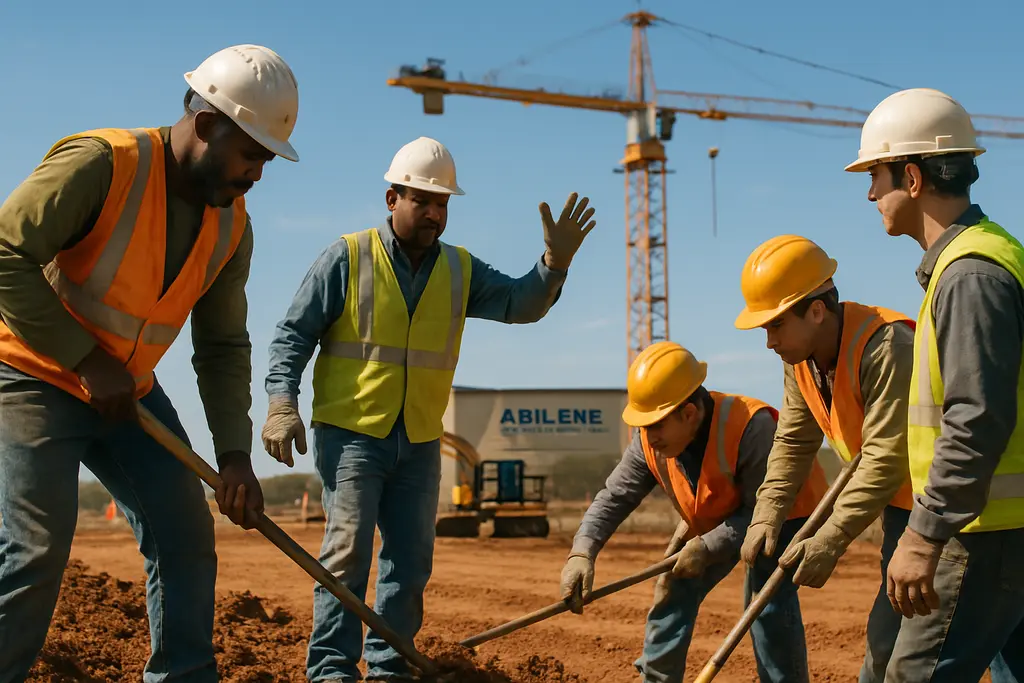
The Abilene Sports Complex is now a live construction project in Abilene, Kansas, not just a planning topic. For youth leagues, school teams, coaches, families, and local officials, that shift matters. Once grading starts, decisions about access, costs, naming, field use, safety, and long-term upkeep become practical duties rather than meeting-room concepts.
From a sports ethics and compliance view, the main question is not whether new fields can help local athletics. Four new softball and multi-use fields can serve youth baseball and softball programs, high school athletics, recreation play, and tournament use. The harder question is how Abilene keeps public purpose at the center while construction, financing, and future scheduling decisions move forward.
Why Construction Now Matters For Local Sports
What The Groundbreaking Confirmed
Abilene held a groundbreaking ceremony for Phase One on September 9, 2026, and crews have since begun preparing and grading the site, according to the city’s City Hall update. That public milestone gave teams and families a clearer signal that the project had moved from civic approval into field-level work.
The timing also creates a new standard for public communication. As of September 21, 2026, construction had already begun, so residents should be receiving updates framed around progress, budget discipline, and any material changes to the scope. For sports families, clear updates help league boards plan around future field availability, tournament hosting, and practice scheduling without assuming details that have not been confirmed.
How Voters Set The Funding Direction
In February 2025, Abilene voters approved a 0.35% sales tax referendum to fund recreation improvements, including new ball diamonds, as described on the city’s Sports Complex project page. That voter approval gives the project democratic grounding, but it also raises the ethical bar for how money is tracked and explained.
Sales tax funding spreads costs across local purchases. Temporary general-obligation notes were also listed in project materials as part of the funding structure. Because public dollars and public credit are involved, the City Commission, task force, and Recreation Commission should keep financial decisions understandable for residents who supported the project and for those who questioned its trade-offs.
Abilene Sports Complex Access And Public Trust
Abilene Sports Complex Rules For Fair Use
The Abilene Sports Complex will be judged in part by who gets meaningful access once the fields open. Tournament use can support local hotels, restaurants, and event activity, but youth leagues and school programs should not be crowded out by higher-revenue events. A fair-use policy should explain how dates are reserved, how conflicts are handled, and how local teams are protected during peak playing periods.
For youth sports, access is also a legal and ethical issue tied to equal treatment. Reservation rules should be written, applied consistently, and reviewed in public. If fees are set too high, the project could unintentionally limit participation for families or smaller leagues. If fees are too low for heavy tournament users, taxpayers may subsidize private event activity beyond what voters expected. The strongest policy will balance local development, public cost recovery, and reasonable access.
Youth Development Should Stay Central
Sports infrastructure is not only about diamonds, dugouts, and parking. It shapes the youth pipeline. Better fields can give young athletes safer practice conditions, stronger tournament experiences, and more consistent schedules. Coaches can plan player development with fewer field conflicts if use rules are clear before opening.
That is where ethics meets daily sports operations. Local baseball and softball groups should know whether priority will be based on residency, age group, school affiliation, seasonal calendars, or tournament contracts. Communities weighing sports complex ethics often face similar questions about access, safety, and youth priorities. Abilene can reduce conflict by setting expectations before the first full slate of games is booked.
Legal Guardrails For Funding And Construction
Procurement, Notes, And Scope Changes
Project materials state that an amended agreement with Mid-America Sports Construction was approved in July 2026 to finalize scope and pricing. Any public construction project needs a clean record on how vendors are selected, how changes are approved, and how costs are reported. That does not mean every adjustment is a red flag. Construction plans often change as pricing, design, drainage, and site conditions are refined. The compliance task is to document those changes and connect them to public approvals.
The project site is on city-owned land, which project materials say avoids land acquisition costs for that parcel. That fact supports fiscal efficiency, but it does not end the legal review. Public land carries public obligations. Decisions about field layout, access roads, parking, field removal, and related swaps or relocations should remain tied to a public purpose rather than private convenience.
Naming Rights And Donor Boundaries
Abilene adopted a Naming Rights Policy in February 2025 to allow donor recognition through naming of specific assets while preserving character, public purpose, and ownership. This is a sensible place to set boundaries early. Naming rights can bring private support into a public facility, but donor recognition should not become donor control.
For the Abilene Sports Complex, naming agreements should avoid exclusivity terms that limit public use, youth access, or future city decisions. They should also avoid names or sponsor categories that would conflict with the facility’s role as a youth and community sports site. The City Commission’s ultimate authority over sales tax revenue spending gives elected officials the responsibility to keep private support secondary to public benefit.
- Access: Local youth teams, school athletics, recreation users, and tournaments need clear scheduling rules.
- Finance: Sales tax revenue, temporary notes, scope changes, and maintenance costs should be reported in plain terms.
- Public purpose: Naming, donor recognition, and field policies should preserve city ownership and community use.
- Accountability: Task force and Recreation Commission recommendations should remain visible to residents.
Environmental And Land Use Duties

Site Work, Drainage, And Nearby Users
Construction crews preparing and grading the site brings normal but serious duties: runoff control, drainage planning, traffic management, and safety around active work zones. Research notes for the project also indicate that approvals related to nearby levee conditions were part of the planning discussion. The city should treat those requirements as part of sports safety, not as paperwork separate from athletics.
Families may focus on field quality, but stormwater and access design affect the game-day experience. Poor drainage can cancel games, damage fields, and increase maintenance costs. Traffic conflicts can affect parents, visiting teams, umpires, and nearby residents. A sports facility that works well should protect both athletes and neighbors.
Relocation And Replacement Questions
Project FAQ materials described future removal of existing fields 3-6 after phases are complete, relocation of a dog park, and a possible land swap with Dickinson County. Those changes may be practical parts of the plan, but they carry community impact beyond organized baseball and softball.
Ethically, city leaders should explain what users lose, what they gain, and when replacement amenities are expected. Dog park users, nearby residents, and casual recreation users deserve the same clear communication as tournament organizers and league boards. A sports project funded through public action should not treat non-team users as an afterthought.
What Abilene Sports Complex Stewardship Requires
The next test for the Abilene Sports Complex is stewardship. The project has voter approval, an active construction start, a city task force process, Recreation Commission involvement, and City Commission authority. Those pieces can support public trust if they are used in the open and tied to youth sports access, cost control, and safe operations.
For local teams, the best outcome is not just a newer set of fields. It is a facility that keeps participation affordable, gives coaches dependable scheduling, supports school and recreation play, and uses tournament activity without letting it take over the public mission. If Abilene keeps those standards visible through construction and into field operations, the project can serve athletes first while still supporting the wider community.