
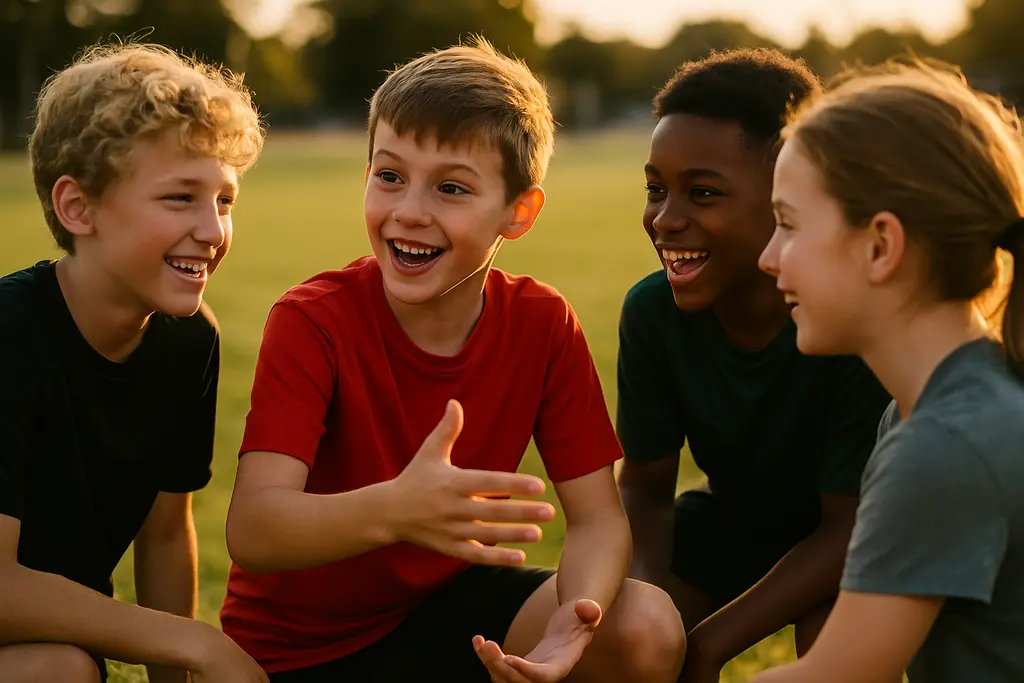
For Texas youth leagues, school-adjacent clubs, and neighborhood teams, local team relationships are built in the small moments before and after practice: the coach who explains expectations, the parent who knows where to ask questions, and the athlete who feels safe speaking up. Recent youth sports research points to a clear lesson for communities: stronger communication is not a side task. It is part of player development, team identity, and family trust.
That matters in local sports because families often carry the season together. They manage rides, fees, uniforms, meals, tournament travel, and sideline expectations. Coaches manage practice plans, playing time questions, safety needs, and team culture. Athletes sit at the center of it all, trying to compete, learn, and belong. A stronger communication plan helps reduce confusion without taking the focus away from the game.
Local Team Relationships Begin Before Practice
Local Team Relationships Need A Clear First Contact
The first message a family receives can shape the tone for the whole season. A 2025 multi-sport study in Australia covering football, netball, swimming, and tennis found that inconsistent onboarding and communication practices often left parents feeling dismissed or undervalued. The research included 320 hours of observation and 41 interviews with parents, coaches, and club leaders, and it recommended personalizing onboarding, recognizing parents as partners, and improving consistency in communication modes Flinders parent engagement study.
For a local team, that finding lands close to home. A parent meeting should not be treated as a formality. It should answer the questions that families will ask all season: practice times, weather plans, coach contact rules, playing time philosophy, injury reporting, photography policies, and how conflicts will be handled. The goal is not to make the season feel corporate. The goal is to make the team feel fair, safe, and organized.
Local clubs can also reduce tension by using the same communication path every week. If schedules are posted in one app, last-minute changes should not be scattered across text chains, social media posts, and hallway conversations. Consistency protects coaches from repeating the same answer and helps families who are balancing multiple children or split-household schedules. For deeper practical examples, our piece on coach-parent communication channels explains how clear schedules and safe feedback habits can support youth teams.
Start With Roles, Not Rules Alone
Rules matter, but roles help people understand where they fit. Coaches lead training and game decisions. Parents support attendance, recovery, encouragement, and transportation. Athletes bring effort, honesty, and respect for teammates. When those roles are named early, a missed message or tough game result is less likely to turn into a bigger conflict.
One helpful approach is to explain the “why” behind team habits. If athletes are expected to arrive 20 minutes early, connect that expectation to warm-ups, injury prevention, and team readiness. If parents are asked to wait 24 hours before raising playing time concerns after a game, connect that pause to cooler conversations and better problem solving. Families are more likely to support standards when they understand the purpose behind them.
Coach Communication Shapes Player Growth
Training Coaches To Ask Better Questions
Recent research has placed fresh attention on how coaches speak to athletes. A study published in June 2026 evaluated the “Speaking the Same Game” communication curriculum over nine months among collegiate soccer coaches. The study reported that coach communication style shifted significantly from directive behavior toward supporting and exploring behavior, while players’ Game Performance Assessment Instrument metrics increased from 66.50 to 94.80 Georgia Southern communication study.
That study was conducted in a collegiate soccer setting, so local youth teams should not treat the numbers as a direct promise for 10U basketball, middle school volleyball, or select baseball. Still, the pattern is useful: communication that invites athletes to think can support performance habits. Instead of only saying, “Don’t force that pass,” a coach might ask, “What did you see on the weak side?” That small shift teaches decision-making while keeping accountability intact.
In youth sports, supportive communication does not mean soft standards. It means the standard is explained, taught, repeated, and connected to the athlete’s role. A coach can still correct footwork, effort, spacing, or defensive positioning. The difference is tone and timing. Athletes tend to respond better when they understand that correction is part of growth, not a personal attack.
Use Digital Tools Without Losing The Human Touch
Digital literacy has become part of coaching because families expect quick updates. Team apps, shared calendars, and group messages can help. They can also create confusion if every issue becomes a public thread. Coaches should decide which messages belong to the whole team and which need a private conversation.
A good local plan separates logistics from relationships. Practice time changes, uniform reminders, and field updates can go through the team app. Playing time concerns, athlete confidence, conflict between teammates, and wellbeing concerns deserve a direct and respectful conversation. The tool should support the relationship, not replace it.
Athlete Voice Builds Accountability
Give Players A Safe Way To Speak
Strong teams do not ask youth athletes to act like adults, but they do give them age-appropriate chances to lead. Athlete voice can be as simple as asking players to name one practice habit the team needs to improve, letting captains help shape warm-up energy, or having small groups discuss what respect looks like during a tough loss.
Research in recent youth soccer settings has pointed to athlete-led work as a path toward stronger identity, communication, leadership, and accountability by the end of a season. For local coaches, the lesson is practical: players support standards more fully when they have helped define them. A team code written only by adults may be ignored. A team code shaped with athletes has a better chance of becoming part of daily behavior.
This is especially valuable for middle school and high school feeder programs, where athletes are learning how to represent their school, club, family, and neighborhood. Local team relationships improve when players see themselves as contributors to the culture, not just recipients of instructions.
Keep Feedback Short, Specific, And Repeatable
Young athletes hear a lot on game days. Coaches, parents, teammates, and opponents all add noise. Feedback works best when it is short and connected to a teachable action. “Recover to the middle after your shot” is easier to use than a long speech about effort. “Talk early on defense” is clearer than “communicate better.”
Teams can build shared language around three or four repeatable cues. A soccer team might use “scan, support, switch.” A basketball team might use “talk, tag, rebound.” A volleyball team might use “platform, call, cover.” These cues help athletes self-correct and help parents understand what coaches are teaching from the sideline.
Practical Habits For Youth Sports Communication
Build A Weekly Rhythm Families Can Trust
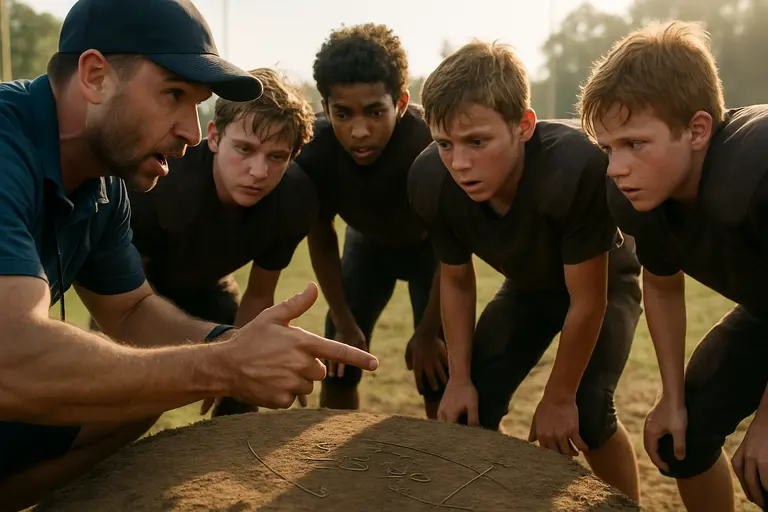
A simple weekly rhythm can prevent many problems before they start. Local teams do not need a long newsletter. They need predictable information at predictable times. Sunday evening can set the week. Game day messages can focus only on arrival time, venue, uniform, and weather. Postgame communication can thank families, note the next practice, and save sensitive topics for direct follow-up.
- Before The Season: Share team values, contact channels, practice plans, parent roles, and athlete expectations.
- During The Week: Send one clear schedule update and avoid changing platforms unless safety or weather requires it.
- After Games: Separate emotional reactions from teaching points and handle individual concerns privately.
- Midseason: Ask families and athletes what communication is working and what needs adjustment.
That rhythm supports local team relationships because families can plan their week and coaches can protect their time. It also helps volunteers, who often carry local leagues through long weekends, crowded fields, and tight tournament schedules.
Make Parent Partnership Visible
Parents should not control coaching decisions, but they should not feel invisible either. A healthy team culture names the ways parents help: transportation, hydration, positive sideline tone, fundraiser support, and care for athletes after hard games. Recognition does not need to be grand. A coach who thanks families for early arrivals or acknowledges a volunteer who handled check-in is reinforcing the idea that the team is a shared community effort.
That shared effort matters in Texas communities where youth sports often connect schools, local businesses, parks, churches, and extended families. Good communication can help keep those connections positive. Poor communication can turn a promising season into a string of avoidable misunderstandings.
Why Local Team Relationships Matter On Game Nights
Trust Shows Up Under Pressure
Game nights reveal whether communication habits are real. A close loss, a weather delay, a lineup change, or a frustrated athlete will test the team’s trust. If expectations were clear before the season, coaches have more room to coach. Parents have more confidence in the process. Athletes have a better chance to reset and compete.
Local team relationships are not built by one meeting, one app, or one speech. They grow through repeated choices: clear onboarding, steady coach language, parent partnership, athlete voice, and private care for sensitive issues. Recent youth sports developments support what many local coaches already know from years on the field: communication is strongest when it is practiced like any other team skill.
For local programs, the next step is not to copy a college curriculum or an international study word for word. The better move is to take the tested ideas and fit them to the age group, sport, venue, and community. A 12U softball team, a junior high track group, and a high school feeder soccer club will not need the same plan. They will all benefit from the same foundation: people knowing where they stand, how to speak, and how to support the athletes wearing the jersey.