
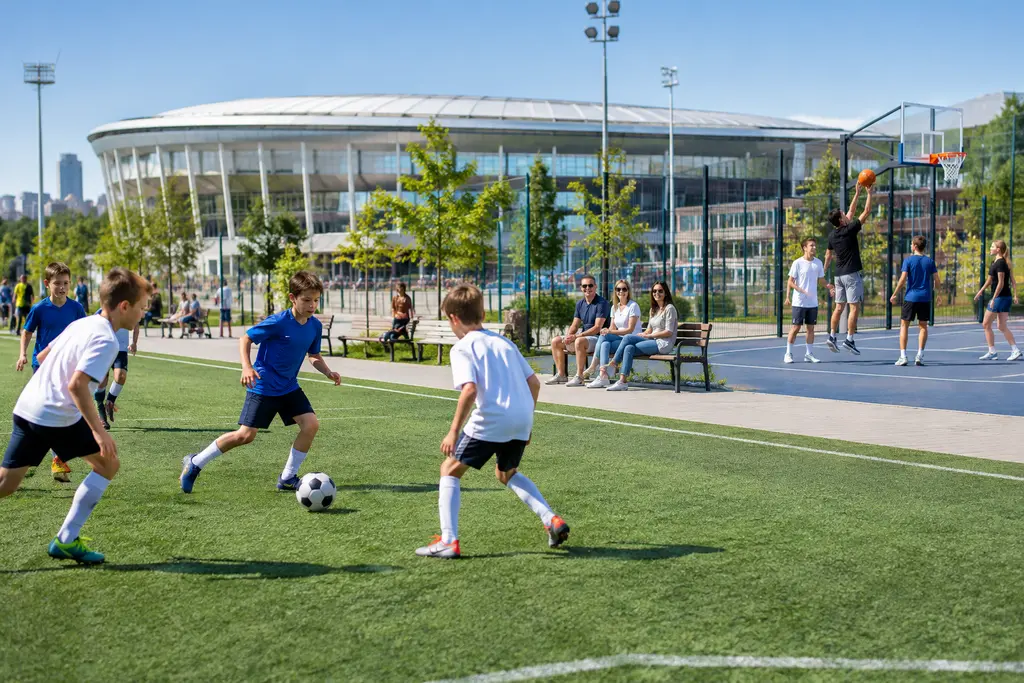
The Odessa Sports Complex is more than a future collection of courts, diamonds, fields, and gathering spaces. For local athletes, families, coaches, and small businesses, it is a major public investment that brings real opportunity along with ethical and legal questions about access, funding, oversight, and long-term community benefit.
Because this project is tied to youth sports development, public money, donated land, and future event activity, the conversation should stay grounded in verified facts. Odessa families deserve clear answers about who benefits, how the facility will be used, and how public trust will be protected as construction continues toward full operation around Fall 2027, based on city planning information cited in the research for this story.
That does not mean the project should be viewed with suspicion. It means the community should treat it as a shared civic asset. Good sports infrastructure can expand player development, create safer event sites, support family attendance, and help Odessa host more youth tournaments. The ethical test is whether those benefits reach local residents in a fair, open, and accountable way.
Odessa Sports Complex And Public Trust
Odessa Sports Complex Funding Questions
Large municipal sports projects often rise or fall on public confidence. The total project cost has been estimated at more than $145 million, according to the city’s project information on the official sports complex page. For taxpayers, that scale makes transparency more than a public relations issue. It is a core part of responsible local sports planning.
Local reporting has described the funding mix as about $75 million from general city funds, $45 million through certificates of obligation, and $15 million from hotel occupancy tax revenues, according to First Alert 7 funding coverage. Certificates of obligation are a legal financing tool, but they can also raise public concern when residents feel the process is hard to follow. Clear explanations about repayment, project phasing, operating costs, and future maintenance can help keep the sports purpose connected to public accountability.
Why Public Debt Needs Plain Language
For families who will use the facility, the key question is not only whether the project can be built. It is whether the public can understand the financial path well enough to judge the tradeoffs. A parent driving a child to soccer practice may not study municipal finance, but that parent has a stake in whether the venue remains affordable, safe, and open to local leagues after major events arrive.
The ethical standard should be simple: explain the costs in plain language, update residents when major assumptions change, and make sure future revenue goals do not push local youth programs to the side. Sports facilities can support community pride, but trust depends on steady disclosure rather than broad promises.
Youth Access, Fields, And Family Costs
Weekday Use For Local Athletes
The project’s planned features are substantial. The city has described an indoor facility of about 157,000 square feet with 10 basketball courts, 20 volleyball courts, pickleball courts, and training and fitness areas. Outdoor plans include 10 rectangular fields for sports such as soccer and football, 12 diamond fields for baseball and softball, and a community amphitheater, as listed by the city on its official project page.
For local sports families, those numbers matter because field and court availability can shape an athlete’s daily experience. More usable space may mean better practice times, fewer crowded schedules, and more chances for clinics, camps, open play, and league activity. The Odessa Sports Complex could give coaches more room to build skills before athletes reach varsity programs, college showcases, or regional club events.
Tournament Weekends And Local Business
Weekend tournaments can bring visiting teams, overnight stays, restaurant traffic, and retail activity. That can help the local sports economy, especially if scheduling gives Odessa teams meaningful access rather than treating local athletes as spectators to their own public venue. The balance between tournament revenue and weekday community use should be reviewed with families, coaches, and youth league leaders at the table.
Access also has a cost side. Families may face fees, travel across town, equipment needs, and time away from work. Ethical planning should ask whether the venue will create opportunity across income levels and neighborhoods. Public facilities should not become reachable only for families who can afford premium club schedules. A fair system would publish reservation policies, fee structures, scholarship options if offered, and priority rules for local youth organizations.
Odessa is not alone in facing these questions. Communities across Texas are weighing how sports infrastructure can serve athletes without losing sight of public trust, a theme also discussed in this related piece on Texas sports infrastructure.
Land Gift, Memory, And Community Identity
Amy’s Park And Donor Recognition
The land story behind the project carries local meaning. In May 2023, the Bell family donated 100 acres of Parks Bell Ranch land to Odessa for the project, according to the city. On August 26, 2026, Ellen and Larry Bell and the Parks Bell Foundation pledged $3.6 million to develop the Amy Bell Memorial Children’s Park, an approximately 8-acre portion of the site, in memory of their daughter, as also described by the city’s project page.
That type of gift can deepen the community connection to a public sports site. It can also raise useful ethical questions about naming, memory, and public identity. Donor recognition is not automatically a problem. In this case, the memorial park appears tied to a family story and a known place connected to gatherings on Parks Bell Ranch. The public benefit comes from making sure that remembrance remains welcoming to all residents who use the space.
Keeping Public Space Public
As naming rights and sponsorship conversations develop, Odessa should keep a clear line between honoring contributors and preserving civic ownership. Public sports venues often need private support, but signs, names, and sponsorships should not crowd out the broader purpose: children playing, coaches teaching, families gathering, and teams representing their city.
The Odessa Sports Complex will likely carry many layers of meaning. For some, it will be a tournament destination. For others, it will be a place where a child plays a first baseball game, joins a volleyball clinic, or watches an older sibling compete. Ethical storytelling around the project should leave room for those everyday sports moments, not only ribbon cuttings and revenue projections.
Operations, Safety, And Fair Use
Policies Families Should Be Able To See
Once a public sports venue opens, its rules become part of the community experience. Families should be able to find clear policies on field reservations, tournament scheduling, weather delays, safety procedures, photography rules, facility conduct, and complaint processes. Those policies protect the city, but they also protect children, coaches, officials, and visiting teams.
Research reviewed for this story did not identify reported ongoing litigation or a zoning legal challenge specific to the project as of Fall 2026. That is a narrow point, not a guarantee against future disputes. Large sports venues can face questions about contracts, public access, injury response, traffic flow, vendor rules, and nondiscrimination. Clear operating standards can reduce confusion before problems arise.
Staffing And Event Scheduling
Operations will determine whether the facility feels like a community asset or just a large event site. Scheduling should account for school calendars, youth league seasons, extreme heat concerns, and family travel patterns. Local hiring, staff training, and clear supervision also matter because youth sports spaces depend on trust between parents and the adults running events.
The topping out of the main steel structure was celebrated on October 7, 2026, according to city information. That milestone showed visible progress, but the community impact will be judged later through day-to-day use. A building can be impressive from the road while still needing strong policies inside the gates.
What Odessa Sports Complex Means For Local Sports
The Odessa Sports Complex gives the city a chance to strengthen youth sports, support coaches, and create a better event experience for families. The project also asks Odessa to keep faith with residents who are helping pay for it, athletes who need fair access, and donors whose gifts are tied to public memory.
The strongest version of this project is not measured only by the number of courts and fields. It is measured by whether a young player can get practice time, whether a coach can run a safe clinic, whether families can understand fees, whether local leagues are heard, and whether public leaders continue to share facts as the project moves toward full use. If Odessa keeps those standards at the center, the facility can become both a sports venue and a lasting community resource.