

Venue logistics skills were on full display at Texas Showdown 2026 in Houston, and the lessons reach far beyond fighting games. For local youth sports directors, school athletic staff, club organizers, and parent volunteers, the event offered a clear example of how registration systems, room flow, technology, staffing, and communication all connect before the first match begins.
Texas Showdown was not a small room with a few stations. The March 27-29, 2026 event at the Hilton Post Oak in Houston drew over 1,200 total competitors across more than 25 gaming events, according to the official Texas Showdown 2026 details. That scale matters for community sports because the same planning pressure shows up at a packed gym, a multi-field soccer site, a wrestling meet, or a weekend volleyball tournament.
Venue Logistics Skills From Texas Showdown
The strongest lesson from Texas Showdown is that venue operations start long before participants arrive. A tournament with more than 25 separate gaming events had to account for check-in, brackets, station assignments, spectator movement, staff access, and production needs. In a youth sports setting, those same pieces become roster check-in, field maps, warm-up areas, referee rooms, medical access, parking, and parent communication.
The Houston event also used a hotel ballroom environment rather than a traditional field or arena. That detail changes the planning model. Ballrooms can offer controlled lighting and centralized space, but they also require careful attention to power, stage placement, audience sightlines, equipment tables, and safe walkways. Youth sports events face a similar tradeoff when they use school gyms, civic centers, converted indoor spaces, or multi-use parks.
Venue Logistics Skills For Registration Control
Those venue logistics skills started with registration discipline. Texas Showdown 2026 used multiple registration phases, including Early Bird, Normal, Late, and Super Late periods, with deadlines before the event and no on-site registration for main games. That model reduced uncertainty on event weekend because organizers knew who was entered, which games needed space, and how brackets would be built.
Youth tournament directors can use the same idea without copying the esports format exactly. A clear deadline helps staff confirm team counts, assign fields, order wristbands, prepare rosters, and communicate schedules. It also protects volunteers from last-minute changes at the check-in table. For local communities, that means shorter lines, fewer disputes, and a better first impression for visiting families.
Hardware Variety And Room Flow
Texas Showdown included modern and classic fighting games across several platform types. That variety made equipment planning part of venue planning. Different setups can require different monitors, controllers, power access, and staff knowledge. In youth sports, the equivalent is not game hardware, but field and court variety: small-sided soccer, full-field matches, multiple age groups, practice zones, and equipment storage all need space that makes sense.
The shared lesson is simple: every activity area needs a purpose, and each area needs to connect cleanly to the next. If registration sits too close to an entrance, lines can block doors. If warm-up areas sit beside spectator seating, safety issues can build. If scoring tables lack power or visibility, staff can fall behind. Good room flow is not just a comfort issue; it supports fair competition and safer operations.
Technical Lessons For Staff And Volunteers
Local tournaments often rely on volunteers, but volunteer work still benefits from technical preparation. Texas Showdown showed how many tasks sit behind the public-facing event: bracket updates, equipment checks, audio-visual support, stream production, and staff communication. A youth tournament may not stream every court, yet it still needs devices charged, radios working, schedules updated, and emergency contacts easy to find.
Network And Production Basics
Texas Wesleyan University describes esports career work that can include LAN setup, networking, PC build quality checks, NDI/SDI signal routing, and broadcast production skills in its overview of careers in esports. Those skills may sound specialized, but the basic mindset applies to local sports events: test the system before families arrive, know the backup plan, and assign one person to own each technical task.
For a youth basketball tournament, that might mean one staffer manages score-reporting tablets while another handles public-address needs. For a soccer tournament, it could mean a central contact updates match delays and field changes. For a local esports or hybrid community event, it could mean a checklist for monitors, cables, adapters, internet access, and stream audio before doors open.
Power, Audio, And Staff Handoffs
Power planning is one of the least glamorous parts of tournament work, but it affects everything. A ballroom gaming event depends on equipment stations staying live. A youth sports event may depend on scoreboards, clocks, tablets, radios, medical coolers, and charging areas. Organizers should map outlets, extension routes, and protected cable paths before event day.
Audio also deserves care. Clear announcements help families find brackets, fields, courts, restrooms, lost items, and schedule changes. Poor audio can send people to the wrong place or leave volunteers repeating the same answer all day. Staff handoffs matter just as much. A shift change should include what changed, what is delayed, who needs help, and which families or teams are waiting on answers.
Building Venue Logistics Skills For Youth Events
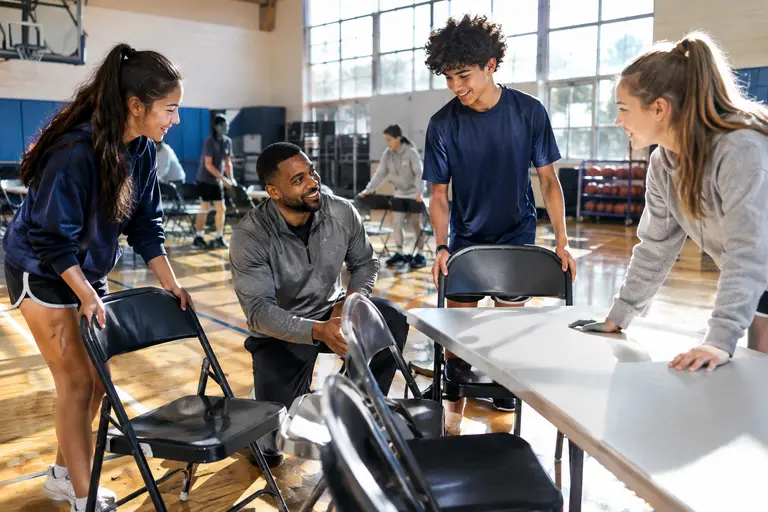
For youth directors, venue logistics skills are built through repeatable systems, not guesswork. Texas Showdown’s scale showed the value of separating the event into manageable zones: registration, competition space, production or scoring, staff support, spectator flow, and equipment storage. Local sports organizers can use that same zone-based thinking at school gyms, parks, recreation centers, and rented indoor venues.
A practical first step is to create one shared operations sheet. It does not need to be fancy. It should answer who opens the venue, where teams enter, where families park, who handles schedule changes, where first aid is located, how results are reported, and who has authority to adjust field or court assignments. For a deeper local planning companion, the site’s venue logistics basics for youth tournaments piece fits well with this same planning approach.
Youth Sports Translation
The Texas Showdown model translates well because it treats every participant pathway as planned space. A competitor needed to know where to check in, where to compete, when to report, and where to wait. A youth athlete needs the same clarity. Families also need simple answers: which entrance to use, how early to arrive, where water is available, and who to contact if a schedule changes.
Good communication should be short and repeated across channels. Email can carry the full packet. Text updates can handle time-sensitive changes. Printed signs can help on site. A volunteer at the entrance can solve confusion before it spreads. The goal is not to flood families with information; it is to place the right information where they will use it.
Budget Planning And Resource Control
Texas Showdown’s registration and spectator pass structure reflected the reality that events carry costs. Venue rental, production needs, staffing, equipment, and support services all have to be funded. Youth sports events face their own cost mix, including facility rental, officials, medical coverage, signage, supplies, and sometimes security or custodial support.
Budget planning works best when costs are split into fixed and variable categories. Fixed costs are expenses that exist no matter how many teams enter, such as a facility reservation. Variable costs rise as participation grows, such as officials, awards, wristbands, or extra field staff. This basic separation helps local organizers set registration fees responsibly and avoid surprise expenses after schedules are published.
- Before registration opens: confirm venue capacity, event divisions, staffing needs, and equipment requirements.
- Before schedules are released: check field or room assignments against participant counts and time blocks.
- Before doors open: test power, internet, radios, scoring tools, signage, and check-in flow.
- During the event: track delays, communicate changes, protect safety routes, and document lessons for the next tournament.
What Texas Showdown Means For Local Tournament Planning
Texas Showdown gave Houston a useful case study in how organized technical planning can support a large participant base. The event’s fighting game format was different from a youth soccer weekend or a school gym tournament, but the planning habits are closely related. Every local event needs accurate registration, clear space design, reliable equipment, trained volunteers, and direct communication with families.
A Practical Local Takeaway
The best local operators treat event day as the result of many small tests. They test the check-in process. They test how families move from parking to competition areas. They test how staff share updates. They test whether technology supports the event instead of slowing it down. That approach builds trust with coaches, parents, athletes, and venue partners.
For community sports programs in Texas, venue logistics skills are not only for large tournaments. They help a Saturday youth bracket run on time, a school fundraiser feel organized, and a local esports event welcome new families without confusion. Texas Showdown showed the value of planning the technical details early, then using those details to make competition day easier for everyone in the building.