
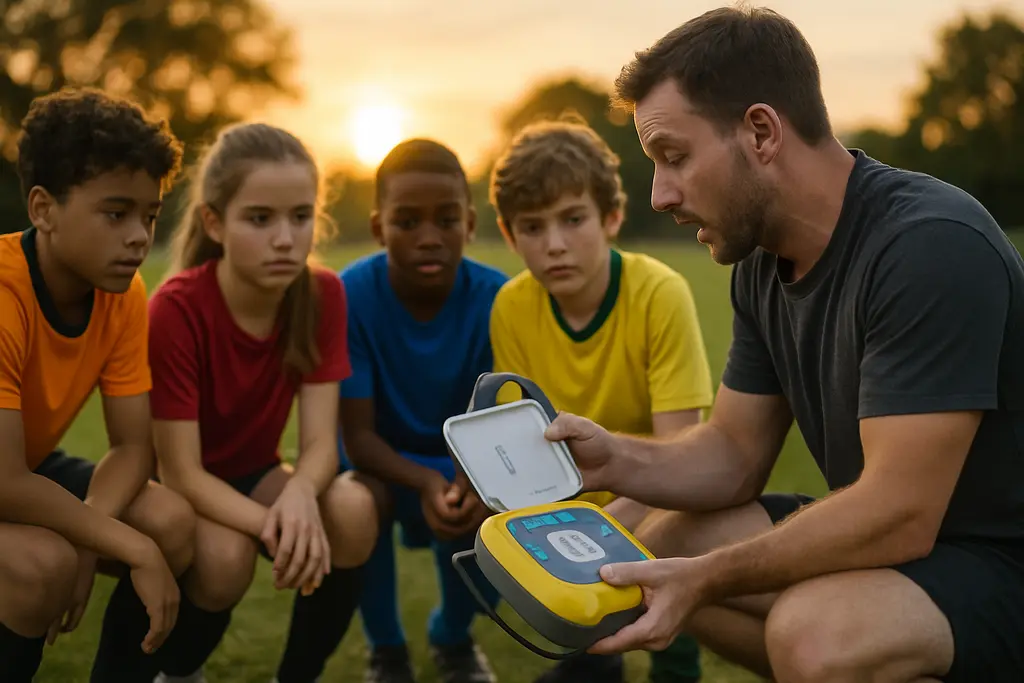
As of October 5, 2026, Cardiac Emergency Preparedness has become a practical planning issue for youth sports leaders in North Texas, not just a medical topic discussed after a scare. Mid-Cities Pee Wee Football & Cheerleading Association in Fort Worth offers a useful local example because its fall 2026 rollout connected AED access, CPR education, and emergency drills across six league sites in Tarrant County.
For youth football and cheer programs, the lesson is straightforward: safety planning has to be as visible as field assignments, volunteer schedules, and equipment checks. A plan that sits in one binder will not help a coach on a far sideline, a parent at a practice field, or an official trying to direct emergency responders. The best starting point is shared awareness, repeated practice, and clear responsibility before the first whistle.
Cardiac Emergency Preparedness Starts At The Field
What Mid-Cities Put In Place
The Mid-Cities Pee Wee Football & Cheerleading Association implemented a Cardiac Emergency Response Plan, expanded access to automated external defibrillators, and added CPR education and emergency drills across its six league sites beginning in the fall 2026 season, according to the American Heart Association’s local report on the league joining its Nation of Lifesavers effort AHA report. The same report said all six league sites received AED sub-grants, and the league received CPR Anytime Kits to support readiness across the community.
That combination matters because pee wee football does not happen in one controlled setting. Teams may practice on different fields, families may spread across large complexes, and volunteers may change from week to week. A youth league plan should identify where each AED is, who is trained to use it, who calls 911, who meets emergency responders, and who keeps other athletes and families away from the response area.
Cardiac Emergency Preparedness Roles For Game Day
For a league director, Cardiac Emergency Preparedness is partly a compliance habit and partly a coaching culture habit. Coaches already assign positions, plan substitutions, and prepare for weather. Emergency roles should be handled with the same clarity. If a coach is leading drills, another adult should know where the nearest AED is. If a game is underway, an official or site coordinator should know how to stop play and clear space.
Local programs can start small without treating the work as optional. A site map, an AED location check, a short parent message, and a five-minute review with coaches before practices can remove confusion. The plan should be posted or distributed, reviewed at least annually, and rehearsed so volunteers are not seeing it for the first time during a crisis.
Why The Risk Deserves League Attention
What The Athlete Data Shows
Sudden cardiac arrest is the leading medical cause of death among student-athletes in the United States, and the American Heart Association report notes that about 75% of cases occur among basketball, football, and soccer players. The report also states that survival from out-of-hospital cardiac arrest is about 10%, while immediate bystander CPR and AED use can double or triple survival chances.
A four-year prospective study covering July 2014 through June 2018 recorded 331 confirmed cases of sudden cardiac arrest or sudden cardiac death among U.S. competitive athletes ages 11 to 29; 158 survived and 173 were fatalities athlete cardiac arrest study. The same study found that most cases were among high school athletes, with a smaller share among middle-school athletes, and the average age was about 16.7 years.
Those numbers do not mean every field needs fear hanging over it. They do show why youth leagues should treat response time as a real operations issue. Football and cheer families already accept planning for heat, hydration, helmets, stunts, weather delays, and field access. This is another part of responsible game-day operations.
Screening And Education Fit The Same Plan
Preparticipation cardiovascular screening based on history, family history, and physical exam is recommended for youth athletes in the research notes provided for this topic. Leagues should avoid acting as medical providers, but they can remind families to complete required participation paperwork, respect medical restrictions, and speak with qualified health professionals when symptoms or family history raise concern.
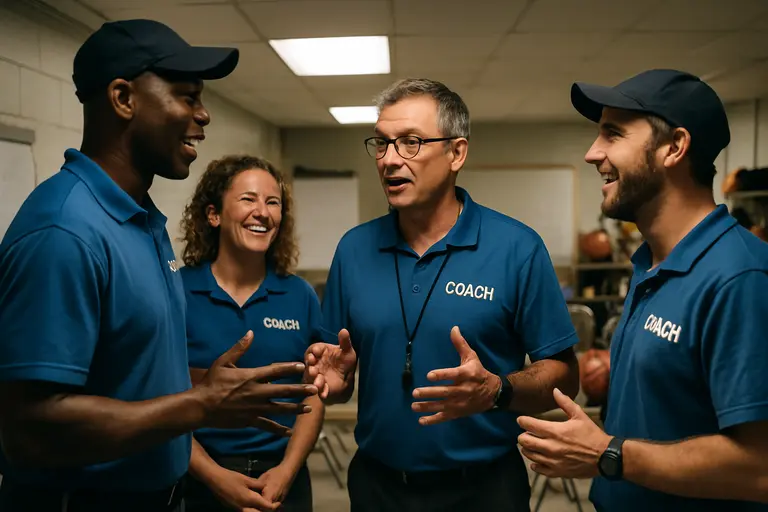
Education should not stop with head coaches. Officials, assistant coaches, team parents, guardians, and older athletes can all help recognize a possible emergency and start the response chain. For a Texas youth league, that communication has to work during hot practices, crowded Saturday schedules, and travel across multiple neighborhood fields. Our related piece on clear team safety talk also fits this same habit of repeating simple safety messages before games and practices.
First Steps For A Small Youth League
Build The Plan Around Real Venues
A useful emergency plan should name each field, parking access point, AED location, and adult role. It should be specific enough that a new assistant coach or substitute team parent can understand it quickly. If a league uses schools, parks, or shared complexes, the plan should reflect the actual layout families use on practice nights and game days.
Emergency planning guidance in the research notes points to venue-specific emergency action plans that are posted, distributed, rehearsed, and reviewed at least once a year. AEDs should be clearly marked and reachable quickly from practices and competitions. The practical question for a board meeting is simple: can an adult get the device, return to the athlete, and begin the response without losing time to locked doors, unclear storage, or a missing key?
- Name the response lead: assign one adult per site to confirm AED access before activity begins.
- Train the sideline team: coaches and key volunteers should receive certified CPR and AED training.
- Practice the handoff: rehearse who calls 911, who retrieves the AED, and who directs responders to the field.
- Update families: tell parents where the AED is and how the league will communicate during an emergency.
Keep Drills Short And Repeated
That is where Cardiac Emergency Preparedness becomes part of the season routine. A drill does not need to disrupt practice for an hour. Coaches can run a short scenario before a scrimmage, ask a volunteer to point to the AED location, and confirm who would meet emergency responders at the parking lot. The value comes from repetition.
Leagues should also document training dates, AED checks, drill dates, and annual plan reviews. From a sports ethics and compliance view, written records protect athletes first, but they also help volunteers show that safety duties were assigned and practiced. Good records can help a board replace guesswork with steady improvement from one season to the next.
What Mid-Cities Shows About Cardiac Emergency Preparedness
The Mid-Cities example shows that a youth league does not need to wait for a crisis to organize. By connecting AED access, CPR education, site drills, and community messaging, the Fort Worth-area league gave families a clearer model for how youth sports can prepare across multiple fields. That matters in Tarrant County, where Saturday sports often depend on volunteers who care deeply but need clear direction.
Cardiac Emergency Preparedness should be treated as part of the youth sports schedule, not an extra task saved for later. For local football, cheer, basketball, soccer, and multi-sport programs, the starting point is not complicated: know the venue, train the adults, place the AED where it can be reached, rehearse the response, and tell families what the plan is. That kind of preparation supports athletes, reassures parents, and helps community sports stay focused on development, teamwork, and safe participation.