
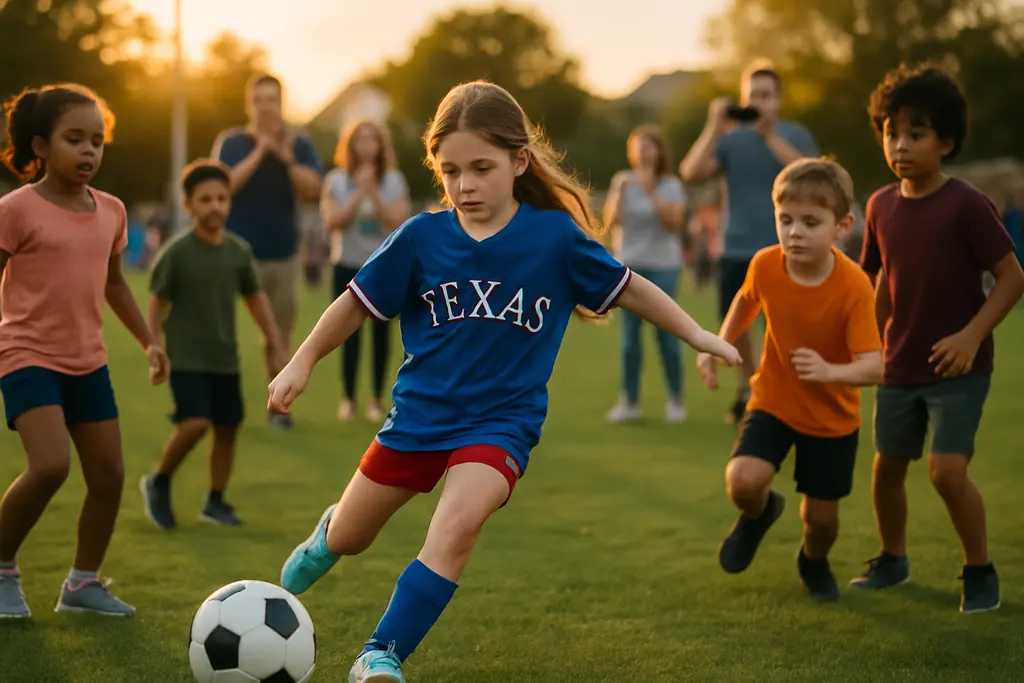
Texas Rangers Grants awarded on September 3, 2026, put $120,800 into 18 nonprofit youth baseball and softball programs in Texas, Louisiana, and Oklahoma, with funding aimed at facility upgrades, scoreboards, uniforms, construction, and field repairs Rangers grant announcement. For families, coaches, and league volunteers, the ethical value of this funding is not just the dollar amount. It is whether the money reaches young athletes in practical, visible ways that reduce barriers to safe, steady participation.
That makes this grant round a useful case study for local sports communities. Youth baseball and softball depend on playable fields, usable cages, basic equipment, and volunteer labor. When those pieces are missing, participation can become tied to family income or neighborhood resources. A grant cannot solve every access issue, and verified long-term participation data for the September 2026 awards was not included in the available research. Still, the structure of the program gives communities a way to judge whether public-facing sports philanthropy is serving athletes first.
How Texas Rangers Grants Reached Local Programs
Texas Rangers Grants Selection Priorities
The 2026 awards were part of the 15th consecutive year of the Globe Life Baseball & Softball Grant Program by the Texas Rangers and Globe Life. Since the program began in 2012, it has awarded more than $1.4 million to more than 165 organizations across the region official grant release. Recipients were selected based on need and the potential for the award to improve community youth baseball or softball programming.
That selection language matters. A youth sports grant can be treated as a public relations moment, or it can be judged by whether it changes the daily experience of athletes. Need-based review helps keep attention on local programs that may not have large booster networks or easy access to private donors. For high school feeder systems and neighborhood leagues, a repaired field or working batting cage can mean more practice time, fewer cancellations, and a safer place for athletes to build confidence before they reach varsity competition.
What The 2026 Awards Paid For
The September 3, 2026, awards supported a mix of infrastructure and team needs. East Brownsville Little League in Brownsville, Texas, was listed for an outdoor modular batting cage. Center Point ISD in Center Point, Texas, was listed for repair of flood damage to the softball field. Berryhill Baseball Boosters in Tulsa, Oklahoma, was listed for batting cage repairs and the purchase of a pitching machine. Those examples show how small capital projects can touch different parts of a youth sports system: practice repetition, field safety, and player development.
For rural districts, border communities, and volunteer-run leagues, these are not cosmetic upgrades. A damaged softball field can interrupt a school program. A batting cage can give hitters a structured space to train outside game windows. A pitching machine can help coaches create consistent repetitions for players at different skill levels. The research does not state how many athletes each project will serve, so any estimate would be speculation. The better measure for now is whether the funded items match clear, local sports needs.
Ethical Guardrails For Youth Sports Funding
Use Restrictions And Local Accountability
The application rules limited grants to nonprofit organizations in the Texas Rangers home territory of Texas, Louisiana, and Oklahoma that provide baseball or softball programs to youth age 18 and under. The same rules stated that funding could not be used for tournament fees or travel expenses grant application rules. That restriction is a meaningful ethical boundary because it keeps the award centered on access to play, not on higher-cost competitive travel.
The rules also excluded uses such as political events and fundraising events, and they did not support national organizations without local chapters. Recipients could not receive support two years in a row from the same grant cycle. Those limits help spread opportunity and reduce the risk that the same well-connected groups receive repeated support while newer or less-resourced programs remain outside the funding circle.
Access Without Travel-Cost Drift
Travel costs can widen the gap between families who can afford tournament circuits and families who cannot. By steering funds away from tournament travel, the grant terms place the emphasis on shared resources: fields, cages, uniforms, repairs, and local programming. That choice supports a broader base of young athletes, including players who may never join a travel team but still deserve quality instruction and safe facilities.
Transparency also matters. The application materials stated that applications are reviewed by Foundation staff and the board of directors, and grantees must publicly acknowledge the grant, such as through signage. Public acknowledgment is not just branding. It gives parents, school leaders, and community members a visible record of where support was directed. For communities that care about ethical youth sports sponsorship, clear grant controls and local visibility are part of athlete-first stewardship. That point connects with the wider conversation around youth sports accessibility, where grants can help reduce cost and facility barriers when they are tied to community needs.
Community Effects From Fields To Families
Facility Repairs Carry Daily Value
The strongest community impact often comes from the most ordinary improvements. A scoreboard helps organize games and gives young athletes a more formal competition setting. Uniforms can reduce family expenses and create team identity. Field repairs can keep practices and games on schedule. Construction support can give coaches a safer, more useful training space. These outcomes are not flashy, but they shape whether a child keeps playing after a difficult season, a family returns to the league, or a coach can run a consistent practice plan.
For Center Point ISD, the funded purpose was tied to flood damage repair on the softball field. That kind of award shows why local context must guide sports philanthropy. Weather damage can create sudden costs that strain school and community budgets. A repair grant can help return a field to service without forcing families or small local sponsors to carry the full burden.
Why Nonprofit Eligibility Matters
Nonprofit eligibility helps frame the grants as community support rather than private team enhancement. The requirement that organizations serve youth 18 and under keeps the focus on developmental baseball and softball. It also fits the public expectation that funds connected to a major professional franchise should support local access, not exclusive benefits for a narrow group of athletes.
At the same time, ethics do not end when a check is awarded. Communities should ask whether facilities are accessible across age groups, whether girls softball needs receive fair attention, whether equipment is shared responsibly, and whether families understand how grant-funded resources will be used. None of those questions accuse a recipient of wrongdoing. They are healthy governance questions for any youth sports program receiving outside support.
What Texas Rangers Grants Mean For Youth Access
What Communities Can Track After The Award
The next useful step is local tracking. Programs that received awards can document when repairs were completed, how the equipment was used, and whether participation became easier for families. Because verified long-term outcomes from the September 2026 round were not available in the research, communities should avoid claiming crime reduction, grade improvement, or participation growth unless they can support those claims with real records.
Texas Rangers Grants offer a sports-first model worth watching because the awards were tied to local nonprofit programs, specific youth baseball and softball needs, and written restrictions on fund use. For families across Texas, Louisiana, and Oklahoma, the real measure will be seen in safe fields, accessible practice spaces, and programs that can welcome more young athletes without adding new cost pressure at home.