
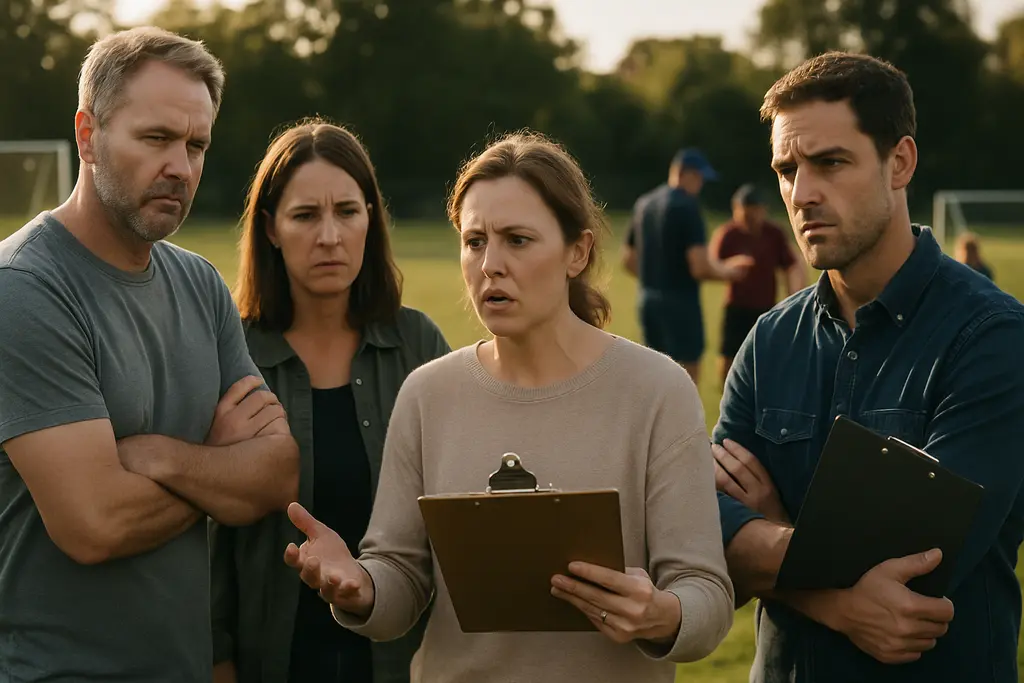
youth sports safety has become a sharper concern for Texas families after the Ryan Richardson volleyball case in Pharr and the state reporting changes that followed Senate Bill 571 and House Bill 4623. Parents do not need to become lawyers to ask better questions, but they do need clear information about who supervises coaches, how misconduct reports move, and what changes when a team is connected to a school district rather than a private club.
Local sports work best when athletes can focus on training, teammates, and competition without adults cutting corners on trust. In Texas, that trust now has more formal reporting requirements for schools, while club sports still require parents to ask which oversight body applies. That difference matters in volleyball gyms, school practice fields, tournament sites, and any setting where minors work closely with coaches, trainers, volunteers, or service providers.
Youth Sports Safety After The Richardson Case
Why The Pharr Volleyball Case Hit Families Hard
On September 1, 2026, The Washington Post reported that Homeland Security had opened a federal child-exploitation investigation into Ryan Richardson, a volleyball coach in Pharr, Texas, after he had been found “permanently ineligible” by USA Volleyball’s oversight group, SafeSport, following allegations of sexual misconduct with minors Washington Post report. The same report said Richardson allegedly continued coaching teenage girls for years, including after an early 2025 suspension and after the February 2026 SafeSport ineligibility ruling.
For parents, the lesson is not to treat one case as proof that every coach is unsafe. Most local coaches serve because they care about athlete development, team culture, and their community. The concern is the gap between a sanction on paper and what families can see at practice. If a person has been suspended or ruled ineligible by a sport oversight body, parents need to know how that information is checked before anyone is allowed near athletes.
How Club And School Settings Can Differ
School sports and club sports often overlap in Texas communities. The same athlete may play for a middle school or high school team, train with a private coach, and compete with a club program on weekends. Those settings may use different background checks, different reporting contacts, and different governing bodies. A school district has legal duties tied to educators, administrators, and student safety. A club connected to a national sport body may use SafeSport processes or other membership rules.
This is where youth sports safety becomes a practical parent issue. Families should ask not only whether a coach has passed a background check, but also how often checks are updated, who reviews misconduct notices, and whether a suspension from one organization blocks that coach from working in another program. If the answer is unclear, the organization should be able to explain the chain of responsibility before the season starts.
What The New Reporting Rules Mean For Teams
Deadlines Parents Should Know
In June 2025, Governor Greg Abbott signed SB 571, which created Chapter 22A in the Texas Education Code to strengthen misconduct reporting. The Texas Education Agency described the law as expanding reporting requirements to include non-certified personnel who have direct contact with students, while HB 4623 addressed liability for public schools and professional school employees for sexual misconduct involving students TEA notice.
The research notes for these laws point to two timelines that parents should recognize: 24 hours for professionals reporting child abuse or neglect after first learning about it, and 48 hours for superintendents or equivalent administrators to report qualifying educator or service-provider misconduct to TEA or SBEC. Those deadlines are not public-relations goals. They are time frames meant to stop delays that can leave students exposed to risk while adults decide what to do next.
Youth Sports Safety Questions For Administrators
For school-connected athletics, youth sports safety depends on more than a policy binder in an office. Parents can ask who receives a concern first, who decides whether it rises to a reportable allegation, and how the district protects students while a report is being reviewed. A responsible answer should name roles rather than vague “staff” or “leadership.” For example, a school may identify an athletic director, campus administrator, superintendent designee, or district safety contact.
Parents should also ask how non-certified personnel are handled. In local sports, athletes may interact with assistant coaches, strength trainers, bus drivers, volunteers, private instructors, event workers, and outside service providers. SB 571 matters because the research notes say it expanded reporting duties beyond certified educators when non-certified personnel have direct contact with students. That shift fits the way sports actually operate, where a young athlete’s daily experience can include many adults beyond the head coach.
Questions For Clubs, Schools, And Coaches

Practical Policy Checks Before Practice
The best parent questions are direct, calm, and tied to athlete welfare. They should not assume wrongdoing, but they should require clear answers. A team that handles safety well should be able to explain its process without treating parents as a problem.
- Who screens adults? Ask which background check system is used, how often it is repeated, and whether it includes volunteers and private trainers.
- Who tracks suspensions or ineligibility? Ask how the organization checks SafeSport or other governing-body status before a coach works with minors.
- Who receives concerns? Ask for a named role, not just a general inbox or casual instruction to “tell a coach.”
- What happens during review? Ask how athlete contact is limited while a serious allegation is being assessed.
- How are parents notified? Ask what families will be told, while recognizing that student privacy and active investigations can limit details.
- How is one-on-one contact handled? Ask about transportation, private lessons, digital messages, locker room access, and off-site training.
These questions also support good coaching. Clear boundaries help coaches focus on teaching skills, planning practices, and building team standards. For families working with younger athletes, age-appropriate instruction and safe communication habits should sit together; our local piece on youth coaching Texas connects skill work with coach conduct in a way that fits community programs.
What Good Answers Sound Like
A strong program should be able to say how misconduct training is delivered, how new staff complete pre-employment paperwork, and how prior concerns are checked before hiring. The research notes say TEA issued training and pre-employment affidavit materials in June 2026 to help schools meet obligations under SB 571 and HB 4623. Parents can ask whether their district or school-connected program has used those tools and who verifies completion.
For private clubs, the answer may not involve TEA. That does not make the question less fair. Clubs should still be able to explain SafeSport status checks if they participate under a sport body that uses SafeSport, and they should explain what they do when a coach comes from another city, school, or club. Texas families often travel for tournaments and clinics, so a coach’s record should not be treated as local gossip. It should be checked through the proper channels.
What Texas Parents Can Ask About Youth Sports Safety
Keeping Athlete Development Connected To Trust
Texas youth sports carry real community value. A good season can build confidence, friendships, discipline, and pride in a school or club. Those benefits depend on adults accepting that safety policies are part of the sport, not a side issue. Parents should be able to ask questions without being told they are distracting from wins, roster decisions, or tournament preparation.
Treat youth sports safety as part of preseason planning, just like practice schedules, uniforms, and travel. Ask for written reporting contacts. Save policy links from the school or club. Check whether the organization separates school rules from club rules. If a coach works across both settings, ask how each organization confirms eligibility. If a concern involves possible abuse, parents should contact the proper authorities rather than relying on team rumor or private messages.
The Richardson case showed how a sanction and real-world access to athletes can become disconnected. SB 571 and HB 4623 gave Texas schools clearer reporting and liability rules, but laws work best when local families, athletic directors, coaches, and administrators understand their roles. A safer sports culture starts with direct questions, verified records, and adults who put athlete welfare ahead of convenience.