
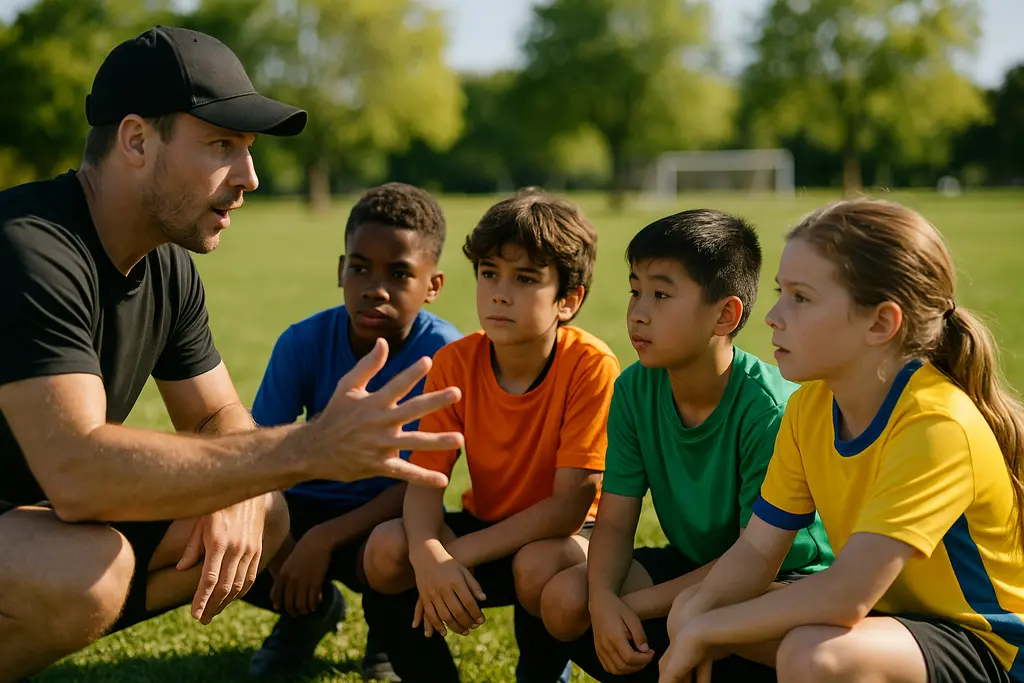
youth coaching Texas starts with a simple promise: give young athletes a safe, organized, and encouraging place to learn. Across Texas, many parents step into coaching because a local team needs help, a league needs volunteers, or a child wants to play with friends. That first season can feel fast, but the foundation does not need to be complicated. Coaches can build better practices by matching drills to the players’ ages, keeping practice periods focused, and making room for game-like play.
For new coaches, the best starting point is not a binder full of plays. It is a clear plan for how kids will move, listen, try, reset, and compete in small pieces. Young athletes learn through repetition, but they also need variety and encouragement. A practice that balances warm-ups, skill work, and scrimmage time helps players understand both the sport and the team habits that support long-term growth.
Youth Coaching Texas Starts With Age-Aware Sessions
Why Short Teaching Blocks Work
Children do not all learn at the same pace, and younger players need shorter activities than older athletes. For children under 10, drills should stay within a 15-minute attention span to help keep players engaged, according to age-appropriate coaching guidance. That does not mean a coach must rush. It means each activity should have one clear purpose, a quick explanation, and enough movement to keep players involved.
A useful youth practice rhythm is “show it, try it, coach it, play it.” Instead of giving a long speech before a drill, demonstrate the skill, let athletes attempt it, then stop briefly for one correction. This works especially well for younger teams in soccer, basketball, baseball, softball, flag football, volleyball, and other community sports. The goal is not perfection in the first week. The goal is to help every player understand what success looks like and feel comfortable trying again.
A Youth Coaching Texas Practice Should Fit The Team
A coach in a first-grade league should not run practice the same way as a middle school coach preparing for a weekend tournament. Skill level, roster size, field or court access, and local league rules all shape the session. For families new to youth coaching Texas, that is worth remembering before copying a plan from an older team. A strong practice plan should answer three questions: What skill are we teaching? How will every athlete get repetitions? How will we end with a game situation?
Parents can help by understanding that youth development is not always linear. A player may look sharp one day and distracted the next. Coaches who keep the session moving, use clear language, and praise effort can help athletes stay connected even when mistakes happen. That is especially valuable in early seasons, when players are learning both the sport and how to be part of a team.
Build Practice Plans Around Time And Purpose
Use Periods To Keep Energy High
Structured practices give coaches a better chance to teach without losing the group. One practice planning data set reports that the average youth sports practice lasts 87 minutes and is divided into about nine periods of 9.6 minutes each, according to practice planning statistics. Those numbers are helpful because they show a practical pattern: kids benefit from sessions that are broken into manageable parts rather than one long block of instruction.
A new coach can use that idea without copying the exact timing. A 60-minute practice might include arrival and water, a warm-up, two skill stations, a team concept, a short scrimmage, and a brief team talk. An 87-minute practice can add more station work or more game-like reps. The key is giving each period a job. If players know where to go and what they are working on, there is less standing around and more learning.
Sample Flow For A First Month
Early practices should build habits before adding too many advanced ideas. Coaches can rotate through the same structure for several weeks while changing the skill focus. That consistency helps athletes understand expectations and gives assistant coaches or parent volunteers a clearer role.
- Arrival: Greet players, check equipment, and start with a simple ball or movement activity.
- Warm-Up: Use movement that matches the sport, such as jogging, shuffling, skipping, throwing, dribbling, or footwork.
- Skill Station One: Teach one basic technique with quick feedback and plenty of turns.
- Skill Station Two: Add a partner or defender so players must react.
- Team Concept: Practice spacing, communication, transitions, or simple positioning.
- Scrimmage: Let players apply skills in a game-like setting with light coaching pauses.
- Wrap-Up: Name one improvement, one effort highlight, and the next practice focus.
In youth coaching Texas, this kind of plan works well because local programs often rely on volunteer support. A clear structure makes it easier for assistant coaches, team parents, and players to know what comes next. It also helps families see that the team is being taught with purpose, not just kept busy until practice ends.
Warm-Ups And Scrimmages Need Real Space
Warm-Ups Prepare The Whole Group
Warm-ups should not be treated as filler. Practice planning data shows that 99% of structured plans begin with a warm-up phase, and about 10.4% of practice time is dedicated to warm-ups. A good warm-up helps athletes shift from school, home, or the car into team activity. It also gives the coach a few minutes to observe energy levels, attendance, and readiness.
For younger athletes, warm-ups can be playful and sport-specific. A basketball team can dribble through cones, a soccer team can pass in pairs, and a baseball or softball team can move through throwing progressions. The best warm-ups connect to the practice theme. If the session will focus on defensive movement, the warm-up can include lateral steps and short reaction games. If passing is the focus, the warm-up can include simple partner work before more pressure is added.
Scrimmage Time Turns Skills Into Decisions
Game-like play is where many young athletes begin to understand why a skill matters. Practice planning data reports that scrimmages account for about 13.1% of practice time. That portion gives players a chance to connect technique with choices: where to move, when to pass, how to communicate, and how to respond after a mistake.
Scrimmages do not have to be full-field or full-court. Small-sided play often creates more touches and decisions. A three-on-three basketball game may teach spacing better than a full scrimmage. A small soccer game can give every player more chances on the ball. A controlled baseball or softball situation can teach baserunning, fielding choices, and communication without needing a full inning. Coaches should stop play only when the teaching point is clear, then restart quickly so players stay active.
Positive Coaching Habits For Local Teams
Set Standards Without Shouting
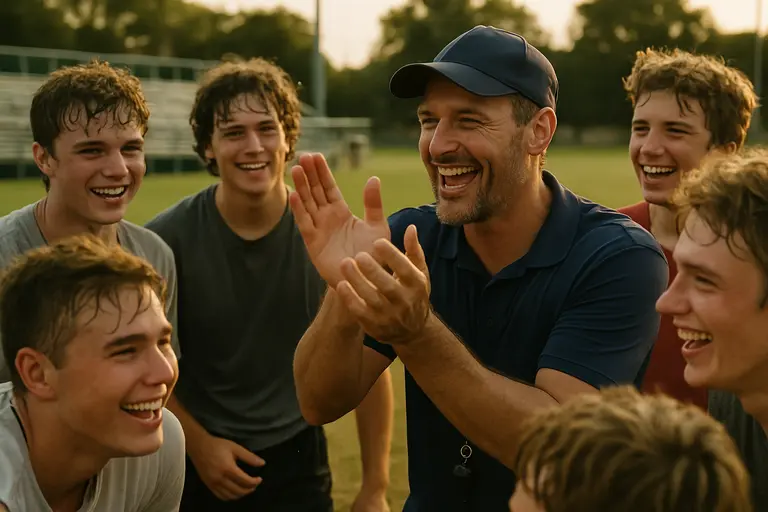
Young athletes need correction, but they also need to feel that mistakes are part of learning. A coach can be firm without making practice tense. Clear standards might include listening when a coach is speaking, hustling between stations, supporting teammates, and using respectful language. Those expectations should be repeated calmly and applied consistently.
Feedback works best when it is specific. “Good job” is friendly, but “I like how you kept your eyes up before passing” teaches the player what to repeat. A correction should be just as clear: “Plant your foot beside the ball,” “Call for it earlier,” or “Bend your knees before the catch.” This type of coaching helps players connect effort with improvement.
Work With Parents As Partners
Families shape the team experience, especially in youth sports. Coaches can reduce confusion by sharing the practice focus, arrival expectations, and communication plan early in the season. Parents do not need every drill diagram, but they do benefit from knowing what the team is working on and how they can support it at home.
Texas youth sports communities often grow around weekend games, school friendships, and local leagues. That sense of connection is one reason community coverage matters. For a broader look at how teams, families, and local leagues come together, Texas Sports Image has shared more on Texas youth sports leagues. Coaches who respect that community role can make the season better for athletes and parents alike.
What Youth Coaching Texas Means For Player Growth
Keep The First Season Simple
The first season of coaching should focus on a few repeatable habits: arrive prepared, start on time, teach one point at a time, keep players moving, and end with a team message. A coach does not need to know every advanced tactic to make a positive impact. The best youth coaches create a setting where kids want to return, try again, and support each other.
youth coaching Texas is strongest when practices are built for the athletes in front of the coach. Short drills help younger children stay engaged. Structured periods help volunteers use time well. Warm-ups prepare the group, and scrimmages give players a chance to make real decisions. With those pieces in place, coaches can give young athletes a season that teaches skill, confidence, and respect for the team.