
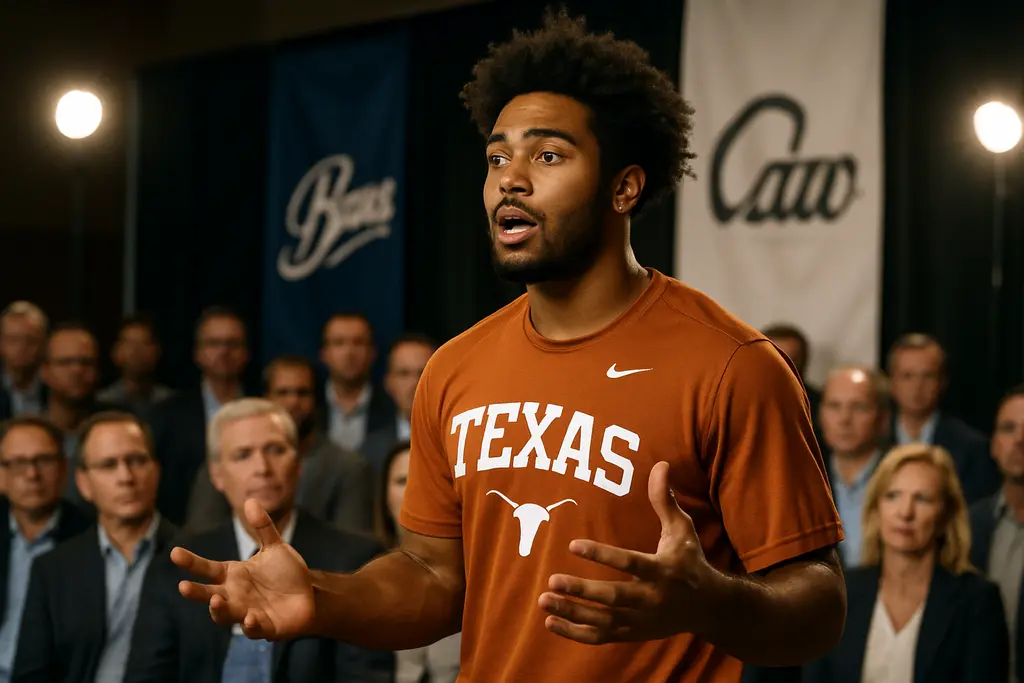
The Texas NIL law has already changed how college athletic departments in the state think about athlete compensation, recruiting conversations, donor involvement, and compliance education. For Texas families, coaches, athletes, and campus leaders, the issue is not just legal paperwork. It affects roster planning, the youth-to-college pipeline, and the way local sports communities understand fairness in college athletics.
As of September 28, 2026, the Texas law described in the research as HB 126 is in force. The federal Protect College Sports Act, often discussed as a broader college sports overhaul bill, remained pending after clearing the U.S. Senate Commerce Committee on June 18, 2026, by a 19-9 vote. That split status matters: Texas colleges have one active state rulebook to follow now, while also preparing for possible federal limits that could change how revenue sharing and third-party NIL activity are counted.
What The Texas NIL law Changed For Campus Programs
Direct Deals Moved From Restricted To Allowed
HB 126 was signed by Texas Governor Greg Abbott on May 29, 2025, and took effect on September 1, 2025, according to the Texas Legislature bill history. The law changed prior restrictions by allowing Texas universities to enter into direct NIL agreements with student-athletes. It also allows those universities to solicit or provide compensation related to name, image, and likeness to prospective student-athletes, which had been prohibited before the change.
That shift puts athletic departments closer to the center of the NIL process. Before this change, much of the activity around athlete pay was associated with third parties, supporters, or collectives. Now, a Texas college can have a more direct role, which may help with recordkeeping and education, but it also raises ethical duties. Schools need clear approval steps, written agreements, and consistent treatment across teams so athletes are not left guessing about what is allowed.
Why The Texas NIL law Matters To Recruits
For recruits and their families, the change can make early college conversations more direct. If a university can discuss NIL-related compensation with a prospective athlete, the recruiting process may become more transparent. Still, the research notes a key limit: NIL payments are not allowed for high school students under age 17 unless they are already enrolled at an institution of higher education, as described in the Senate Capitol Report.
That age limit is especially relevant in Texas, where elite high school athletes can draw college attention well before graduation. Families should hear clear guidance from schools, not informal promises or pressure. A compliance-first approach protects young athletes from rushing into arrangements they do not fully understand and helps coaches avoid recruiting conduct that could later be challenged.
Education Duties And Athlete Protection
Financial Literacy Is Part Of The Rulebook
The Texas law kept a workshop requirement for student-athletes. The research states that athletes must attend at least five hours of financial literacy and life skills workshops during their first and third years at a Texas college. Topics include debt, budgeting, and academic resources. That requirement is more than a classroom add-on; it is one of the clearest athlete-protection pieces in the state approach.
In college sports ethics, education matters because NIL money can arrive before an athlete has experience with contracts, taxes, public visibility, or long-term budgeting. A first-year athlete might be managing academics, practice, travel, injury concerns, family expectations, and public attention at the same time. A third-year athlete may face different pressures, including transfer decisions, draft evaluation, or renewed NIL offers. Requiring education at both points gives schools a chance to address changing needs over time.
Fairness Across Teams Needs Daily Attention
That means Texas NIL law compliance cannot sit only with lawyers or athletic administrators. Coaches, academic staff, athlete development staff, and outside partners all need shared expectations. The ethical goal should be simple: athletes should understand what they are signing, what they are receiving, what duties they owe, and what could affect eligibility or team standing.
Smaller sports also deserve attention in this process. The research notes concern that non-revenue and Olympic sports could face shrinking resources, even with federal proposals that include a dedicated pool for women’s and Olympic sports. Texas athletic departments should be careful that new NIL pathways do not send a message that only football and basketball athletes matter to the campus sports culture.
How The Protect College Sports Act Could Shift Planning
Revenue Caps Would Change The Budget Conversation
The federal Protect College Sports Act had not become law as of September 28, 2026. Still, it deserves attention because the research describes major proposed limits. One reform would set a revenue-sharing structure tied to the House v. NCAA settlement figure of $21.3 million, plus a $22.5 million retention pool for current athletes, plus up to $5 million for women’s and non-revenue Olympic sports. If every applicable exception applied, the total cap would be about $48.8 million annually per institution.
For Texas schools in major conferences such as the SEC or Big 12, that kind of cap could affect how athletic departments, associated entities, and supporters structure payments. The research says third-party NIL deals have not counted toward revenue-sharing caps under the present system, while the federal proposal aims to count deals involving associated entities toward the cap. That would be a major adjustment for programs that have built NIL support through outside groups.
Transfers And Coaching Moves Could Also Be Affected
The research also describes proposed rules beyond athlete pay. The Protect College Sports Act would limit certain premature coaching changes by barring coaches or coordinators who leave before a season ends from taking similar duties at another institution in the same season. The proposal also includes eligibility reforms, with student-athletes generally having a maximum of five years of eligibility, and transfer periods would be constrained.
Those provisions would matter on the field and in the locker room. Transfer windows influence roster depth, scholarship planning, position battles, and athlete development. Coaching movement can affect playbooks, recruiting trust, and team morale during a season. For local sports communities, these federal ideas are not abstract. They could affect which athletes stay, which programs can retain depth, and how coaches plan through injuries and postseason pressure.
Local Compliance Questions For Texas College Sports

Campus Policies Need To Match Real Team Operations
For coaches and administrators, the Texas NIL law creates a need for plain internal rules. A policy should explain who can discuss NIL, who approves agreements, how records are kept, and how athletes can ask questions without fear of losing playing time. The best compliance cultures are not built through scare tactics. They are built through repeatable steps that athletes can understand during a busy semester.
Texas colleges also need to think about the role of local businesses. NIL can connect athletes with community sponsors, but those relationships should be built on actual services, appearances, promotions, or licensing rights. Ethical programs should avoid arrangements that look like disguised pay for play. That line can be hard for families to see from the outside, so schools should communicate early and in writing.
Youth And High School Pipelines Need Clear Boundaries
Because Texas has a deep high school sports culture, the under-17 limit matters beyond college campuses. A promising athlete in a local program may hear about NIL before understanding college eligibility or contract terms. Youth coaches, parents, and school communities should treat early NIL interest with care. The purpose should be athlete development first, not pressure to monetize a teenager before the rules clearly allow it.
This is where the state and federal paths intersect. State law already permits more direct university activity, while the pending federal proposal could tighten how outside money counts. If federal rules pass, Texas programs may need to revise agreements, education sessions, booster guidance, and recruiting materials. If the federal bill stalls, Texas institutions still must follow the state law that has been active since September 1, 2025.
What The College Sports Overhaul Bill Means For Texas Programs
The Texas NIL law is already part of daily college sports planning, while the federal college sports overhaul bill remained unresolved as of September 28, 2026. That gap creates the main challenge for Texas athletic departments: comply with the state system now, but avoid building NIL practices that would be hard to unwind if federal caps and third-party counting rules become law.
For athletes, the best outcome is not simply a larger payment pool. It is a system where promises are written, education is real, team opportunities are handled fairly, and young people are not pushed into deals they do not understand. For Texas sports communities, the goal should be competitive programs that respect the athletes who carry them. The next phase of college sports will test budgets, recruiting habits, and community trust, but the strongest programs will be the ones that treat compliance as part of athlete care.