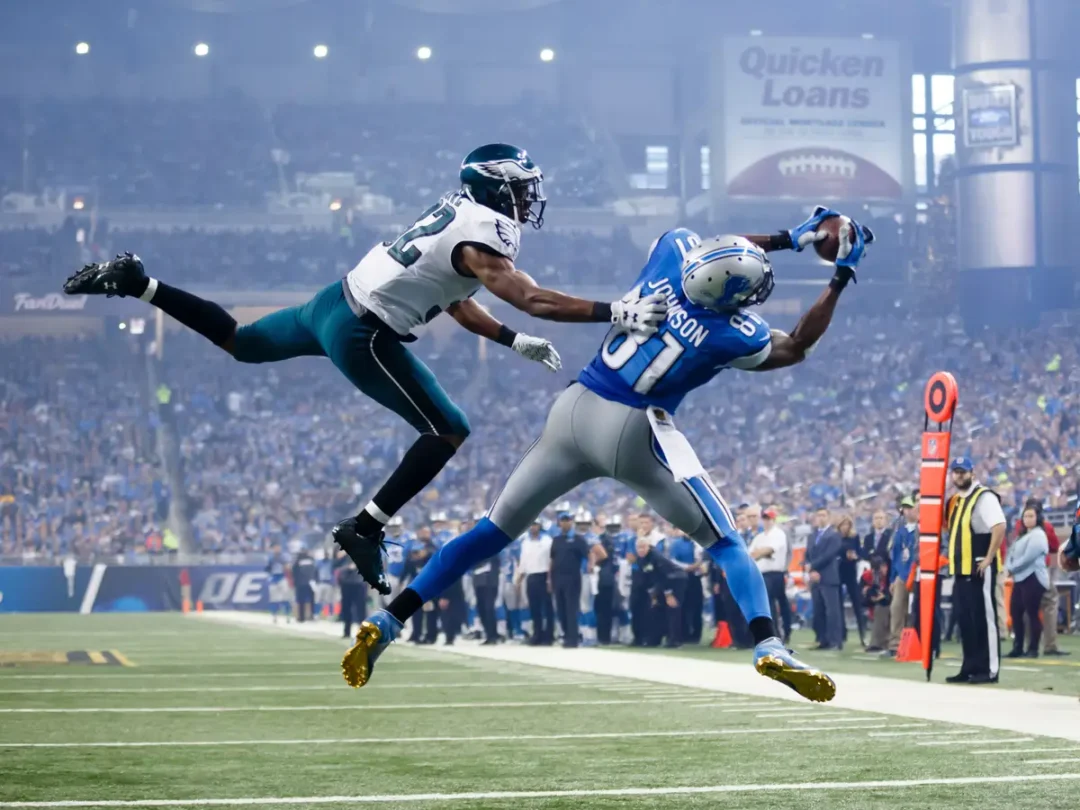
Standing on an NFL sideline with a 400mm lens shooting Patrick Mahomes or Carson Beck feels like a dream job. Earning that press pass demands strategy, consistency, and thousands of frames shot at local events first. School media departments and regional outlets hold the keys to field passes. Shooting sports action requires fast shutter speeds, sharp glass, and an absolute grip on game flow. Media interest in major sporting events surges alongside the popularity of online sportsbetting from georgia, driving massive demand for fresh high-resolution images across digital publications.
Building The Portfolio From High School To College
No athletic department hands an NFL credential to an unproven photographer. Aspiring shooters build a portfolio by covering local high school games, club tournaments, and small college athletic events. High school sidelines offer immediate access to practice tracking focus points, panning techniques, and low-light shooting. Local weekly newspapers and community sports blogs regularly need game coverage, creating early opportunities for published tearsheets.
College athletics departments hire student photographers and independent stringers to cover mid-major sports like volleyball, soccer, and baseball. Working with lower-tier collegiate programs establishes relationships with sports information directors (SIDs). These communications managers control the credential approval process for Saturday football games. Check our guide on getting started in sports photography to learn basic gear setups and camera settings for night stadium lights.
Gear Requirements And Stadium Technical Standards
NFL and major NCAA venues enforce strict standards for working press. Camera bodies require fast continuous shooting rates, minimum 10 frames per second, and dual memory card slots to prevent data loss. Professional sports shooters rely on prime telephoto lenses with wide apertures to isolate athletes against crowded stadium backgrounds. Long glass lets photographers capture facial expressions inside the helmet from sixty yards away.
| Gear Category | Minimum Standard | Preferred Professional Setup |
| Camera Body | 10 FPS, Dual Card Slots | 20+ FPS Mirrorless, Eye AF |
| Primary Lens | 70-200mm f/2.8 | 400mm f/2.8 Prime |
| Secondary Lens | 24-70mm f/2.8 | 300mm f/2.8 or 600mm f/4 |
| Accessories | Heavy Duty Monopod | Dual Camera Harness, Laptop |
Photographers carry two camera bodies on the field to swap instantly between long-range action and close-up touchdown celebrations. Monopods relieve physical strain during four-hour games and keep heavy 400mm lenses steady. National photo agencies evaluate portfolio submissions based on image sharpness, composition, and tight cropping. Review official guidelines on AP Images wire service standards to analyze real-time newsroom requirements.
Securing Media Credentials And Wire Assignments
Freelance photographers cannot request credentials directly without a legitimate editorial assignment. Athletic communications directors reject self-submitted applications from independent shooters without publication backing. Securing a credential requires a formal letter of assignment from a recognized news outlet, wire service, or sports magazine. Regional media outlets assign freelance shooters when staff photographers cover conflicting events.
Building relationships with wire agencies opens doors to major bowl games and NFL Sundays. Agencies look for shooters who deliver clean images on tight deadlines. Modern sports photojournalists tag metadata, write captions, and transmit files straight from the field during timeouts. Speed matters just as much as composition when editors need immediate touchdown photos for digital articles. Studying official media regulations through the Getty Images editorial hub reveals how global agencies structure game-day workflows.
Executing Sideline Etiquette And Field Safety
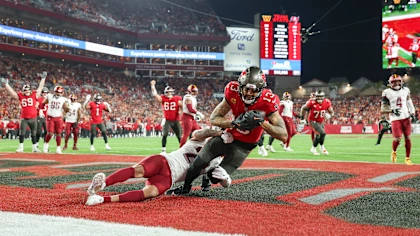
Operating on a major college or professional sideline requires intense spatial awareness. Photographers work behind marked dotted lines and clear space for official referees, television camera operators, and chain crews. Collisions with 250-pound linebackers running out of bounds occur fast. Keeping both eyes open while tracking action through the viewfinder helps shooters dodge incoming plays.
Respecting team staff and fellow media members keeps credentials intact for future seasons. Sideline passes remain strictly non-transferable property of the host university or NFL franchise. Violating field boundaries, seeking player autographs, or posting unauthorized raw video clip files results in immediate credential revocation. Consistent professionalism on small-college sidelines builds the reputation needed to step onto the biggest stages in sports media.