
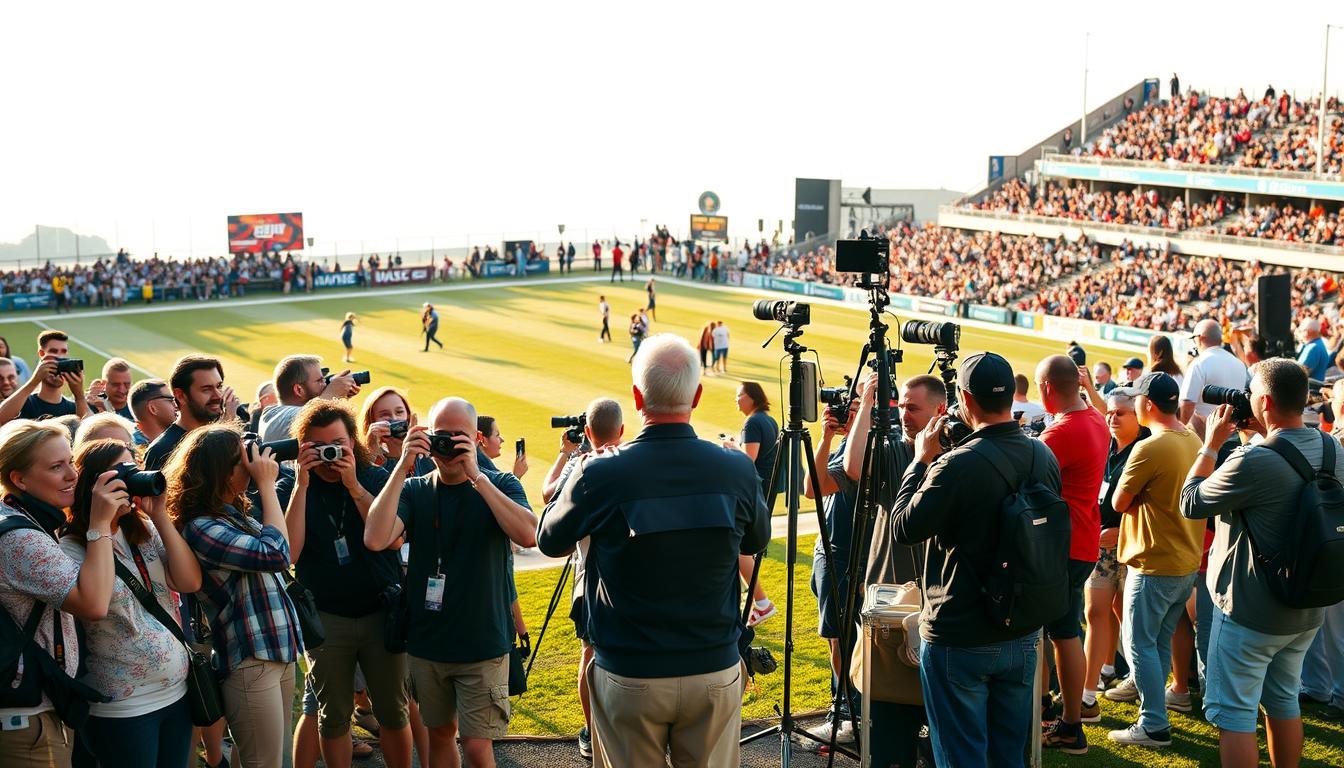
Capturing memories in youth sports is key. Every game, goal, and cheer has a story. The choice between amateur or professional photography matters a lot.
Leagues often wonder if to use parent volunteers with smartphones or professional photographers. This choice affects the quality of photos families will keep for years.
Professional photos can turn a simple moment into a treasured keepsake. A good photo shows a child’s growth and teamwork. But a bad photo might not capture the moment well.
Leagues should think about image quality, reliability, and family experience when deciding. The aim is to capture the joy and milestones of youth sports. The choice between professional vs amateur depends on each league’s needs, ensuring memories last with families.
The Appeal of Parent Volunteers
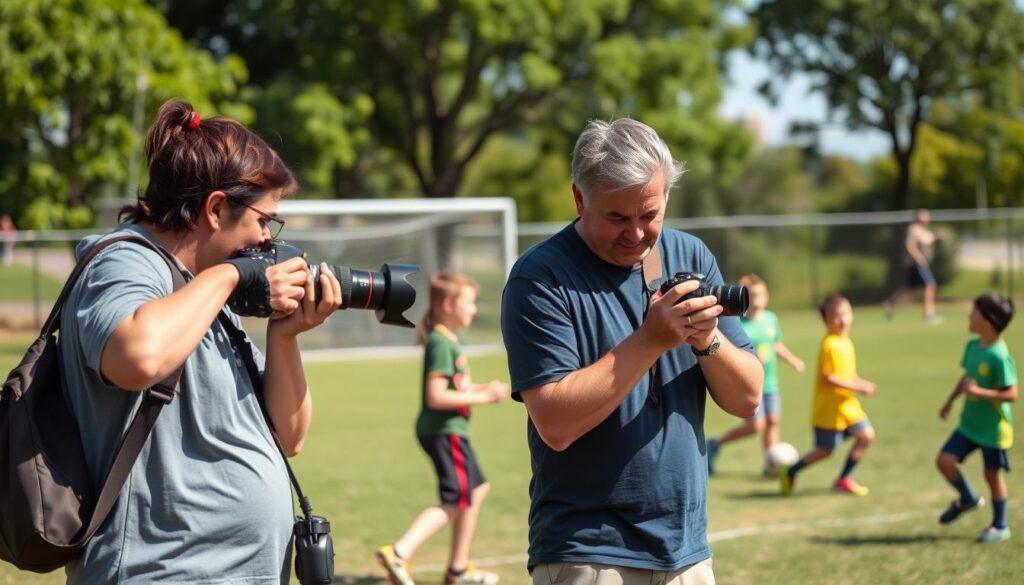
Using parent volunteers as photographers can add creativity and save money for youth sports leagues. These volunteers often have a deep connection to the teams. This makes them perfect for capturing special moments during games.
One big plus of parent photographers is the cost savings. They usually work for free or a small fee. This helps leagues save money for other important things like equipment or uniforms.
Also, parent volunteers are often at games, so there’s no scheduling hassle. They know the players and team well. This leads to real, heartfelt photos that families love.
Many parents have great photography skills and equipment. Some even have professional experience. The key is to find these skilled parents and ask them to help out.
Leagues can match volunteers with tasks that fit their skills, like action shots. This way, photos are better, and volunteers feel valued. It’s a win-win for everyone.
In short, using parent volunteers is a smart move for youth sports leagues. It makes photography programs vibrant and affordable. By tapping into their talents, leagues can make lasting memories for families.
Reliability and Consistency Issues
The charm of free sports photos is undeniable, but leagues face big challenges. Volunteer photographers often have many things to do, making it hard to keep their promises. Work, family, and their own kids’ games can get in the way.
Even if a volunteer says they’ll be there every Saturday, they might not be. Illness, travel, or forgetting can cause them to miss games. This can leave families without photos of their child’s big moments.
Quality can also vary a lot. Some volunteers take amazing photos, while others might not. This means some games have lots of great pictures, but others have few or none.
Volunteer burnout is a big problem too. Without the right support, photographers can get tired and frustrated. Shooting, editing, and sharing photos takes a lot of time and effort.
Without a plan B and clear standards, free sports photos programs can fail. This leaves families unhappy and league officials scrambling. It’s key to have a clear role and support for volunteer photographers to avoid these issues.
Equipment Limitations
There’s a big difference in the equipment used by volunteer photographers and professionals. This is clear when we look at what each group brings to the field. Parent volunteers usually have consumer-grade DSLRs, mirrorless cameras with kit lenses, or high-end smartphones.
Smartphones have gotten much better, but they’re not perfect for sports photography. They struggle with fast action, tricky lighting, and long distances. On the other hand, professional sports photographers use special gear made for these tough situations.

- Camera Bodies: Pros use top-notch cameras that can shoot over 20 frames per second. This means they catch every important moment.
- Telephoto Lenses: These lenses help create stunning images with the subject in focus and a beautiful background.
- Lighting Knowledge: Pros know how to handle lighting. They use fill flash and position themselves to avoid harsh shadows.
- Indoor Photography Gear: In places like gymnasiums, pros use high-ISO settings and fast lenses to deal with bad lighting.
The difference in equipment shows up in the quality of the photos. Families often notice this when trying to print big photos or make photo gifts from their child’s sports season. The professional photos are clearer and more detailed, making them special keepsakes.
The Full-Service Professional Experience
Professional photography services offer more than just great photos. They handle everything from taking the pictures to delivering the final images. This is something volunteer photographers can’t match.
When you hire a pro, you get a detailed process. This includes picking the best shots, editing, and making sure colors are right. Many also give you easy-to-use online galleries to see your photos. This turnkey approach helps leagues avoid the extra work that volunteers and board members often do.
Professional photographers also provide a wide range of products. You can get prints, canvases, photo books, and digital copies. All these options are great for families and help promote the league.
Professional services also come with important extras like liability insurance and backup equipment. This makes them more reliable than volunteer setups. Plus, their contracts give you peace of mind that volunteers can’t always offer.
From a marketing standpoint, professional photos make a league look better. Good, dynamic photos on a league website show quality and professionalism. This can draw in new families looking for a place to enroll their kids.
Investing in professional photography can really help a league grow. While it might cost more than using volunteers, many leagues find it’s worth it. The time saved and the quality of the photos make it a good deal. Costs can be split among families or included in registration fees.
| Feature | Volunteer Photographers | Professional Services |
|---|---|---|
| Image Quality | Variable | High |
| Workflow Management | Limited | Comprehensive |
| Product Offerings | None | Prints, Canvases, Digital Downloads |
| Liability Insurance | No | Yes |
| Cost | Free | Higher, but justifiable |
For more insights on the importance of professional photography, you can check out this article or learn about photography services at Texas Sports Image.
Finding a Balanced Approach
Many youth sports leagues mix parent photographers with professional services. This way, they get great photos without spending too much. Professionals handle big events like opening day and championships.
Parents take photos at regular games and casual moments. They give families free photos to share or keep as memories. This mix makes photos better and brings the community together.
Leagues need a team to make this work. They should have leaders and shared tools, and some basic training. Some leagues also get deals on professional photos, making them more affordable.
Planning is key. Leagues should set clear goals and have plans for when volunteers are missing. They should also tell families what to expect from both volunteers and pros. This way, everyone is happy with the photos, capturing the essence of youth sports.