

No battle plan survives first contact with the enemy. I learned that from military history, but it applies perfectly to tournament weekends.
Why does a backup matter? Because life—and youth sports—is gloriously unpredictable.
Imagine booking the perfect venue, only to find a custodian isn’t available. Or a biblical downpour turns your field into a swamp. Without a contingency plan, you’re not a coach or a parent. You’re a crisis manager without a script.
This isn’t just about avoiding disaster. It’s about preserving sanity. Think of it as intellectual insurance. When you have a backup, you trade panic for analytical calm. You become the sage who nods wisely while others scramble.
This section dissects the philosophy of the backup. We’ll use cultural touchstones, from heist movies to political campaigns, where the contingency made all the difference. It’s how you transform stress into a strategic advantage. Your tournament story deserves a happy ending, not a blooper reel.
What to Rent vs. Own
Think of your tournament gear strategy like a fantasy sports draft. Do you use a precious early pick on a superstar item you’ll rarely use, or do you stream from the waiver wire of rentals?
Owning is an emotional commitment. Renting is a purely transactional fling. Your job is to have the strategic mind of a CFO with the soul of a sports parent.
The logic is straight from the sharing economy. Why own a car if Uber gets you there? Similar to that, why buy a $2,000 radar gun or a professional pitching machine that hibernates in your garage for 11 months? Gear rental is your financial relief pitcher for high-cost, low-use items.
Here’s your quick-start guide to what almost always belongs on the rental roster:
- Specialized Equipment: Speed pitch cages, batting tunnels, or unique field markers.
- Bulk Infrastructure: Porta potties, extra bleachers, or temporary fencing rented by savvy organizers.
- One-Weekend Wonders: That specific camera lens to capture crisp action shots from the sidelines.
- Human Resources: Yes, even referees or official scorekeepers can be a smart rental for a tournament.
This principle extends off the field. Renting a vacation home via Airbnb or Vrbo for the team can be a masterstroke. Kitchens for team pasta parties, common spaces for bonding, and cost-splitting that makes accountants weep with joy. For larger teams, booking a hotel block through a travel specialist is the institutional version of the same smart play.
To navigate this, you need a decision matrix. It’s less about feelings and more about cold, hard variables like cost-per-use, storage, and depreciation.
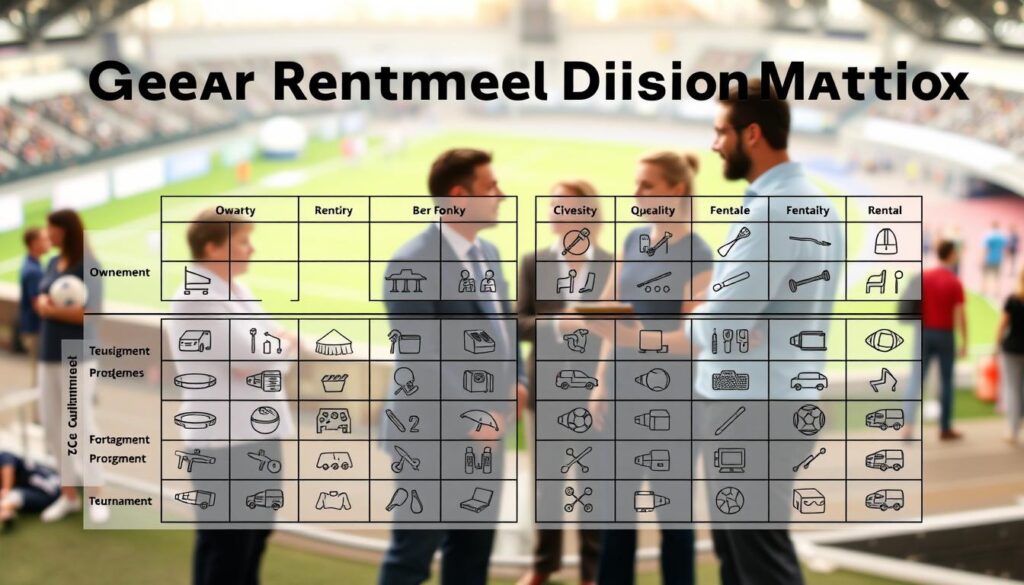
| Item Category | Rent Scenario | Own Scenario | The Verdict |
|---|---|---|---|
| High-Tech Gear | Used for one tournament; prohibitively expensive to buy. | Used weekly by a club; cost amortizes quickly. | Rent the experiment, own the staple. |
| Team Accommodations | Out-of-town tournament; need space for group meals/meetings. | Local event; hotel points available for individual families. | Rent for community, own for convenience. |
| Field Equipment | Hosting a one-off event; no storage for bulk items. | Rec league commissioner with regular season games. | Rent the infrastructure, own the tools. |
| Personal Performance Kit | Testing a new, expensive glove style before committing. | Your athlete’s perfectly broken-in mitt or custom-fitted gear. | Rent the maybe, own the must. |
And that last row is the non-negotiable core. Your child’s game-worn jersey, their lucky bat, the cleats molded to their feet—these are sacred assets. You don’t rent identity. You own it.
The goal is to allocate capital like a Fortune 500 CEO, but with more sunscreen and snack bar receipts. Get this calculus right, and you free up budget, sanity, and trunk space for the things that truly matter. Which, conveniently, leads us to the art of packing it all without losing your mind.
Packing Lists and Redundancies
What do a NASA rover and a soccer mom’s minivan have in common? Both use redundancy systems for tough environments. The rover faces Martian dust storms, while the minivan deals with the stress of a missed penalty kick. Your packing list is like the mission control for this challenge.
This isn’t just about filling a bag. It’s about creating a backup body for your athlete. This duplicate kicks in when the main system fails. Think of it like a hospital crash cart for sports emergencies. A broken lace can start a chain of problems.
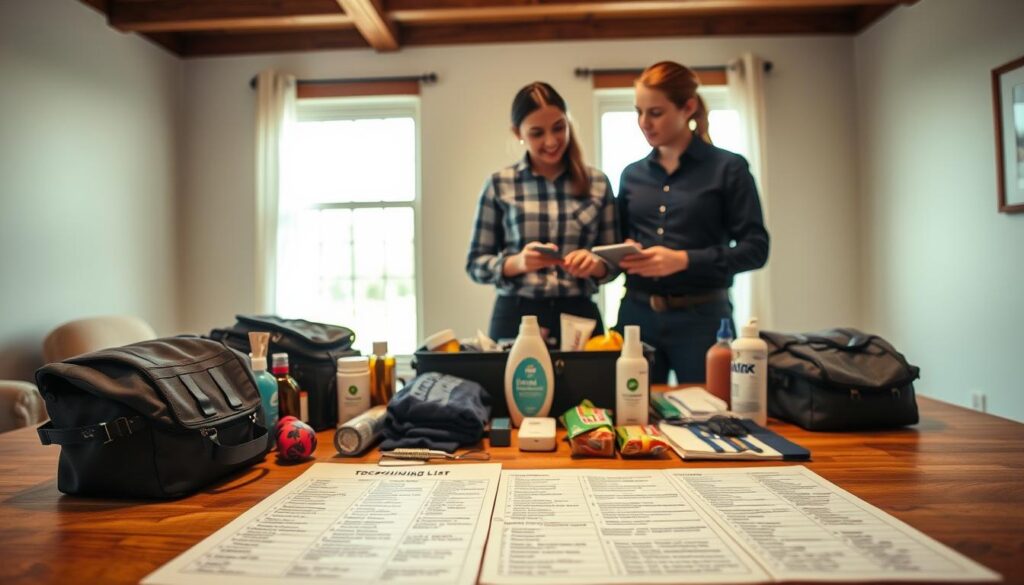
Your aim is to pack so well that small problems become just stories. Let’s create that kit. We’ll go beyond the basics (like cleats and uniform) to the strategic layers of backup.
The Performance Layer: Fuel and Fortification
This is the basic level. The sources suggest snacks and water, but we aim for peak performance.
- Hydration Redundancy: Carry water and electrolyte packets or sports drinks. They serve different purposes.
- Nutritional Cascade: Include quick sugars (like fruit snacks) for energy and complex carbs (like granola bars) for longer burn. Don’t forget protein. Having a “team supply station” in your trunk is smart, not just nice.
- Barrier Defense: Sunscreen is essential. Also, pack a cooling towel and a wide-brim hat. They protect against sunburn and heat.
The Hardware Layer: The Replaceable Parts
This is your mechanical backup body. Every item here is for when something breaks or wears out at the worst time.
- Have a complete uniform set (including socks, jersey, and shorts).
- Carry backup cleats and athletic shoes, and make sure batting gloves fit well.
- Include laces, tape, and basic tools. Your kit should say, “I can fix this.”
- Bring an external phone battery and cables. A dead phone is a big problem.
The Psychological Layer: Morale and Metaphysics
This is where you become more than just a planner. A tired athlete isn’t just tired; their spirit is worn down.
- Comfort Items: Pack a favorite hoodie, headphones, or a book. These are tools for mental escape and recovery.
- Swag as Strategy: Use giveaway t-shirts or care packages as targeted morale interventions. A fresh shirt can change a mindset.
- The Rest Directive: Make sure to schedule downtime. This isn’t just advice; it’s essential for a young athlete’s mental health.
Mastering this three-layer system is key to mastering the art of the long-term travel packing. The idea is the same: plan for clusters of needs, not just single items.
When you pack with such care, you can handle pressure better. You stop reacting to chaos and start managing it calmly. That’s true power.
Rapid Gear Swaps Under Pressure
The glove splits. The clock ticks. This is the pit stop of youth sports, where your contingency plan faces its live-fire test. A rapid gear swap isn’t about luck. It’s the product of a system.
Think of a Formula 1 crew. Their speed comes from drilled protocols and having every tool in its exact place. Your team needs the same muscle memory for logistics. Identify your single point of failure—that one glove, bat, or piece of rain gear. Then, make its backup strategically accessible, not buried in a duffel.
This is where a smart gear rental strategy acts as your pit crew. It provides access to quick, specialized replacements, turning a crisis into a mere procedural hiccup. The principle scales. Serious industrial contingency planning, like the kind detailed for reducing facility downtime, operates on the same logic: pre-installed connections and pre-arranged rental partners for seamless recovery.
Your tournament climax shouldn’t be derailed by a missing screwdriver. Plan the swap. Practice the access. Execute with discipline. In the end, seconds saved on logistics are seconds gained for victory. That’s the quiet edge of the truly prepared.