

Community engagement sports became more than a meeting topic in Dallas after the 2026 US Youth Soccer Grassroots Symposium took place on August 27–29, 2026. For youth sports families, coaches, league leaders, and photographers like me, the event offered a clear reminder: the strongest sports communication happens when people can see themselves in the work. The Symposium’s stated theme, “Moving Legacy Forward,” focused on turning FIFA World Cup momentum into lasting community impact, and its programming favored facilitated conversations, community-based learning experiences, workshops, practical sessions, and networking rather than standard lecture-style sessions USYS Symposium details.
That matters in Texas youth sports because participation is not built by slogans alone. It is built at practice fields, school gyms, neighborhood events, and weekend tournaments where families decide whether a program feels welcoming, organized, and worth their time. As a sports photographer, I often see that communication at field level before anyone says a word: a coach kneeling to talk with a young player, parents sharing shade on a hot sideline, a goalkeeper celebrating a save, or a pickup game pulling kids into play. Those moments make community work visible.
Community Engagement Sports In Dallas Youth Soccer
Why The Dallas Setting Mattered
The Dallas Symposium ended before September 15, 2026, so the best way to read it now is through what it modeled. US Youth Soccer placed the event in a local setting and connected the national conversation to Dallas community spaces. The research notes show that on Thursday evening, August 27, 2026, participants engaged with Oak Cliff’s Puede Network through music, dancing, food, and pickup games. That kind of setting changed the tone from a closed-door meeting to a shared sports experience.
For youth clubs in North Texas, this is a useful communication lesson. Families often trust what they can observe. If a club says it values access, belonging, and connection, the sidelines should show it. Are new parents greeted? Are younger siblings safe and included? Are bilingual needs considered where needed? Are event photos showing the full community, not only trophy lifts? The Symposium’s five guiding themes—Access & Belonging; Wellbeing & Human Development; Community & Connection; Climate & Sustainability; and Leadership & Innovation—gave leaders a shared language for those questions.
Community Engagement Sports As A Visual Story
Community engagement sports programs are often judged through attendance numbers, registrations, and meeting notes. Those matter, but pictures carry a different kind of proof. A well-timed youth soccer image can show whether a player felt included, whether a coach created trust, and whether a field was being used as a shared neighborhood space. That is why dynamic photography belongs in the communication plan from the start, not as an afterthought.
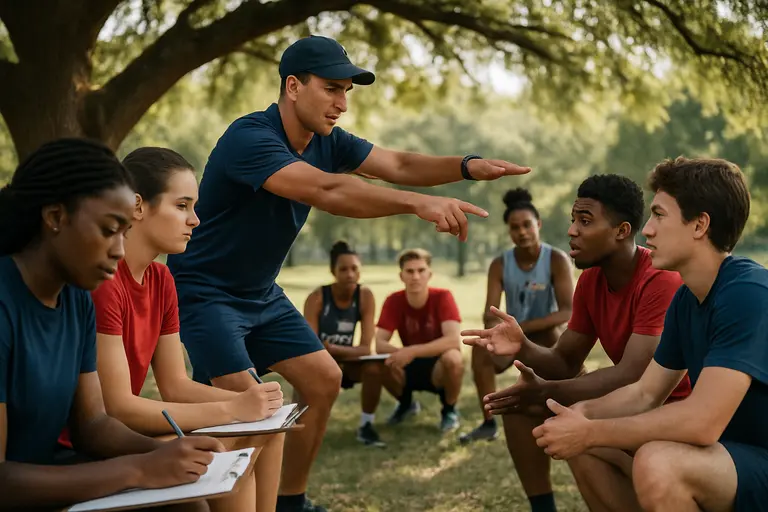
For a local league, this does not mean staging every image. It means planning for real moments: warmups, handshakes, small-sided games, coach-player instruction, family volunteers, and post-match encouragement. The best youth sports images respect the athlete first. They show effort without embarrassing a child, intensity without turning the game into pressure, and pride without excluding the players who are still learning. That approach matches the community-first feel of the Dallas event.
What The Symposium Taught Communicators
Interactive Formats Built Shared Ownership
The Symposium’s communication strategy leaned toward interaction. According to the event information, the program used facilitated conversations, community-based learning experiences, workshops, practical sessions, and networking opportunities. For clubs and associations, that is a major takeaway. People are more likely to support a program when they have had a real chance to speak, ask, listen, and connect the plan to their own fields.
Traditional presentations can still be useful, especially for safety rules, registration policies, and scheduling. But the Dallas model showed that practical settings help ideas travel. A coach may remember a peer conversation about belonging better than a slide deck. A parent volunteer may better understand access barriers after hearing from another neighborhood. A photographer may capture stronger images after learning what a club wants families to feel when they see the gallery.
That is why youth sports communication should leave room for feedback before, during, and after events. The message should not be limited to “sign up” or “show up.” Better communication explains the purpose of the event, identifies who is being served, names the partners involved, and invites families into the next step. A related local lens appears in this piece on Texas youth sports leagues, where images and community identity work together.
Schools Created A Clear Access Point
The research notes also show that the Symposium included the first “Soccer at Schools” workshop, aligned with U.S. Soccer’s Soccer Forward initiative. Its goal was to bring soccer into the school day in a structured, inclusive, and joyful way. That is a practical access point because schools are often where families first connect with organized sports, especially for younger children who may not yet belong to a club.
For communication teams, a school-based model needs plain language. Parents should understand what the activity is, who is supervising it, how children are included, and whether it connects to after-school or community programs. Coaches should know how to explain the value without pushing every child toward travel soccer. Photographers should be clear about permissions and image use, especially with minors. In youth sports, trust grows when families know how information and images will be handled.
Lessons For Texas Clubs And Youth Sports Leaders
Use The Five Themes As Planning Prompts
The five Symposium themes can help local organizers test whether their communication is doing enough. A club does not need a national event budget to apply them. It can start with simple field-level questions before opening registration, planning a tournament, or launching a school partnership.
- Access & Belonging: Does the message tell new families how to join, where to go, and what support exists?
- Wellbeing & Human Development: Does the program speak about player growth, not only wins and standings?
- Community & Connection: Are local partners, volunteers, and families visible in photos and updates?
- Climate & Sustainability: Are venue logistics, heat, shade, water, and field care part of planning conversations?
- Leadership & Innovation: Are young leaders, coaches, and administrators given ways to contribute?
Those prompts are especially useful in Texas, where heat, travel distance, facility access, and weekend schedule pressure can shape the family experience. A well-run event communicates through parking instructions, hydration reminders, field maps, volunteer greetings, and photo galleries that honor every age group. The field story and the operations story should match.
Connect Governance Decisions To Local Families
The Symposium also connected to a major governance action. At the Annual General Meeting on August 29, 2026, participants approved integrating US Youth Soccer into the U.S. Soccer Federation, with the bylaw amendment passing 99% in favor and 1% opposed across 54 state associations. The same report said USYS registers about 2.7 million players annually across those state associations, about 10,000 clubs and leagues, and nearly 1 million coaches, referees, and administrators USYS integration report.
Numbers at that scale can feel distant from a Saturday morning field in Plano, Dallas, Fort Worth, Arlington, or Oak Cliff. Communication leaders should translate them into what families care about: clearer alignment, local support, coach education, and player pathways. If the message stays at the governance level, many parents will tune it out. If it explains how decisions may affect club operations and community programs, it becomes useful.
Community Engagement Sports After The Dallas Symposium
The Dallas Symposium’s strongest lesson is that community engagement sports work best when communication is active, local, and visible. The event did not treat soccer only as competition. It framed the game as a shared space for belonging, wellbeing, connection, sustainability, and leadership. For youth sports organizations, that is a practical assignment.
For photographers, it is also a reminder to keep looking beyond the ball. The decisive image might be a winger breaking into space, but it might also be a coach calming a nervous player, a volunteer setting cones, or a group of kids starting a pickup game before the formal session begins. Those moments help families understand what a program stands for. After Dallas, the lesson for local clubs is clear: communicate with people, show the work honestly, and let the game reveal the community around it.