

Plano arena engagement should begin with clear, shared facts because the proposed Dallas Stars arena and entertainment district affects more than pro hockey. On June 2, 2026, the Dallas Stars signed a non-binding Letter of Intent with Plano for a proposed arena and mixed-use entertainment district at The Shops at Willow Bend, with sports, retail, dining, and public gathering spaces included in the concept team announcement. For families, youth coaches, school communities, and local business owners, the early task is not to cheer or reject the idea on instinct. The better first step is to organize questions around access, athlete development, neighborhood impact, and how a major sports venue could fit into daily life in Plano.
How Plano arena engagement Starts With Verified Facts
The first phase of community work should separate what has been approved, what has been proposed, and what still depends on future steps. The LOI is non-binding, which means it signals intent but does not settle every detail. Research notes for the project state that Plano City Council actions on June 8, 2026, included approval of the LOI, an incentive agreement with the property owners, creation of a Tax Increment Reinvestment Zone, and a venue project resolution tied to a possible venue-tax election. Families starting an outreach group should keep those categories clear in every flyer, meeting note, or social post.
The funding discussion is one reason careful language matters. The proposed project has been described at more than $3 billion, with up to $700 million potentially financed through tax revenues captured in the TIRZ. Plano ISD’s participation has been reported through its share of captured appraised value into TIRZ 6 for up to 25 years Community Impact report. That does not tell families whether the project is good or bad. It does tell them which public finance terms they need to understand before speaking at meetings or asking school-related questions.
Plano arena engagement For Families And Leagues
For parents, coaches, and league organizers, Plano arena engagement works best when it starts with the daily routines of young athletes. A youth hockey parent may focus on ice access, travel time, and whether new programming could expand entry points for beginners. A soccer, volleyball, basketball, or baseball family may ask how event traffic could affect weekday practices, weekend tournaments, or pickup routes near Willow Bend. A coach may care about safe pedestrian paths, parking flow, and whether public gathering spaces can support team events without pricing out families.
Community members already raised concerns in 2026 about traffic congestion, parking overflow into neighborhoods, noise, lighting, and Plano’s suburban character. Those concerns are not separate from sports. If a venue brings more events into the area, athlete drop-off, late practices, tournament travel, and school-night schedules become part of the conversation. A useful engagement group should write questions in plain language, invite different sport communities into the same room, and make space for both supporters and skeptics.
Building Input Around Youth Sports Access
A sports-first engagement plan should ask how the proposed district could affect participation, not just entertainment. The Dallas Stars already have community programs tied to youth hockey, community engagement, health, and education, according to the research notes. Listed examples include Fitness Stars, Stick With Reading, Future Goals: Hockey Careers Beyond the Ice, adaptive sports, and community ticket donations. If the Plano project moves forward, local families can ask how those types of programs might connect to Plano schools, recreation groups, and entry-level sports opportunities.
That does not mean every program will automatically expand, or that every sport will benefit equally. A responsible starter plan should avoid assuming outcomes before agreements are public. Instead, families can ask for published criteria: who would be eligible, which schools or leagues could participate, how transportation would be handled, and whether adaptive sports and beginner-friendly sessions would be included. That keeps the focus on access rather than promotion.
Youth Hockey And Multi-Sport Families
Hockey will naturally sit near the center of public discussion because the Dallas Stars are the project partner. Still, Plano is a multi-sport community. Young athletes often play more than one sport, and families often split time across school athletics, club teams, recreation leagues, training sessions, and weekend tournaments. A good engagement initiative should invite hockey families without leaving out other athletes who may use nearby roads, restaurants, parking areas, or public spaces.
One practical idea is to create a shared youth sports calendar sample. It does not need to predict future arena dates. It can simply show a normal week in Plano sports life: school dismissal, practice windows, tournament check-ins, family meals, and evening pickup. That type of sample helps city staff, team representatives, and developers see how traffic and venue operations affect families outside the event itself.
Small Businesses And Civic Programming
The research notes describe a focus on small business engagement, public transportation enhancements, youth sports education, and civic event programming as part of the broader district concept. For families, those pieces matter because sports venues often shape where teams gather before and after games. Local restaurants, training providers, sports photographers, physical preparation coaches, and family-owned shops may all have questions about access and affordability.
Community engagement can help small businesses speak with youth sports groups instead of working in separate lanes. A local restaurant may want to understand youth tournament schedules. A league may want safe gathering places after games. A school group may need cost-conscious options for civic events. These conversations are useful early because they connect the arena proposal to daily community habits, not only headline events.
What Families Can Do Before Key Decisions
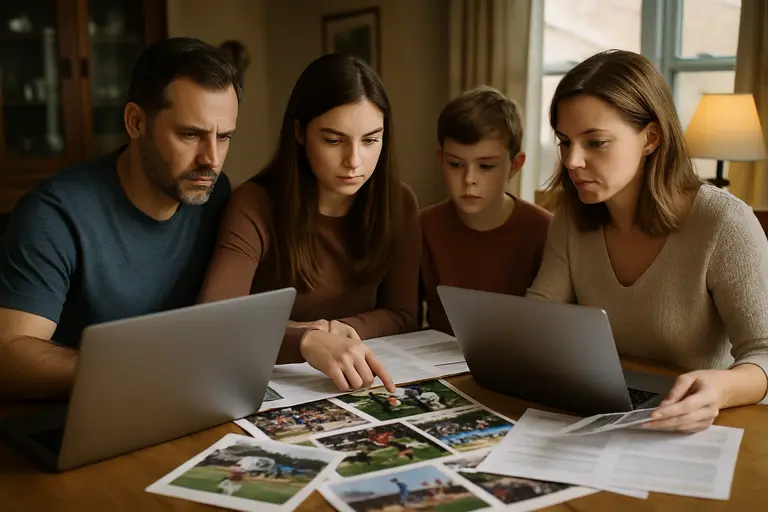
Some public engagement steps already happened. Research notes state that in-person open houses were held on July 8, 2026, and July 14, 2026, and that a virtual open house ran from July 8 through July 22, 2026. Since those dates have passed as of September 4, 2026, families should not treat them as future opportunities. Instead, they can request or review available materials, compare notes with neighbors who took part, and prepare for the next public discussion points.
A special election was tentatively scheduled for November 3, 2026, related to venue funding tools such as motor-vehicle rental tax, hotel occupancy tax, event parking and admissions taxes, and venue use tax for major league team events. The research notes state that this election concerns funding, not approval of the entire project itself. That distinction matters for community education. Families can help neighbors understand what a ballot question does and does not decide without turning youth sports meetings into campaign events.
Create A Shared Question List
A shared question list is one of the easiest ways to begin. Keep it short enough that busy parents will use it, but specific enough that officials can answer it. Strong questions might ask how pedestrian access would be planned around youth drop-off times, whether neighborhood parking protections are being studied, how lighting and noise will be measured, and how public gathering spaces would be scheduled for community use.
- For athletes: Ask whether youth clinics, adaptive sports, or school-based activities are being considered and how families would learn about them.
- For parents: Ask about traffic modeling, safe crossings, pickup zones, and parking plans during overlapping school and event windows.
- For coaches: Ask how practice schedules, tournament travel, and team gatherings could be affected by construction and event operations.
- For local businesses: Ask how small vendors, restaurants, and service providers could be included in planning conversations.
For families thinking about the wider Metroplex youth sports connection, it may also help to compare this project with broader conversations about community ties through youth sports. The Plano proposal is local, but the questions about access, shared venues, and family routines are familiar across North Texas.
Track Traffic And Mobility Updates
Traffic and mobility will likely remain major topics. Research notes state that Plano has been conducting traffic modeling and mobility analysis tied to roadways, intersections, pedestrian access, parking, noise, lighting, and quality of life, with first traffic analysis results expected in mid-October 2026. Families should prepare to read those results with real use cases in mind. A map may show capacity, but parents can explain what happens during rain, late pickups, youth tournaments, and school-night congestion.
Community groups can assign volunteers to follow different topics, then bring findings back to one shared meeting. One person can track school questions. Another can follow mobility updates. Another can focus on small business input. Another can gather youth sports program ideas. This approach keeps the workload fair and helps avoid rumor-driven discussions.
Why Plano arena engagement Matters For Young Athletes
Plano arena engagement matters because young athletes experience major sports projects through everyday details: how long it takes to reach practice, whether a beginner can try a sport, whether a family can afford to participate, and whether public spaces feel safe and welcoming. The proposed Dallas Stars arena and entertainment district could become a major local sports anchor if it advances, but community input will help define whether families see it as accessible, manageable, and connected to Plano’s sports culture.
Good Plano arena engagement should be practical, respectful, and steady. Start with verified facts. Keep a dated record of public steps. Ask questions that connect venue plans to youth sports routines. Include neighbors who worry about traffic and families who see opportunity. If Plano’s sports community does that work now, it will be better prepared for funding decisions, mobility findings, construction questions, and program planning tied to the proposed arena site.