
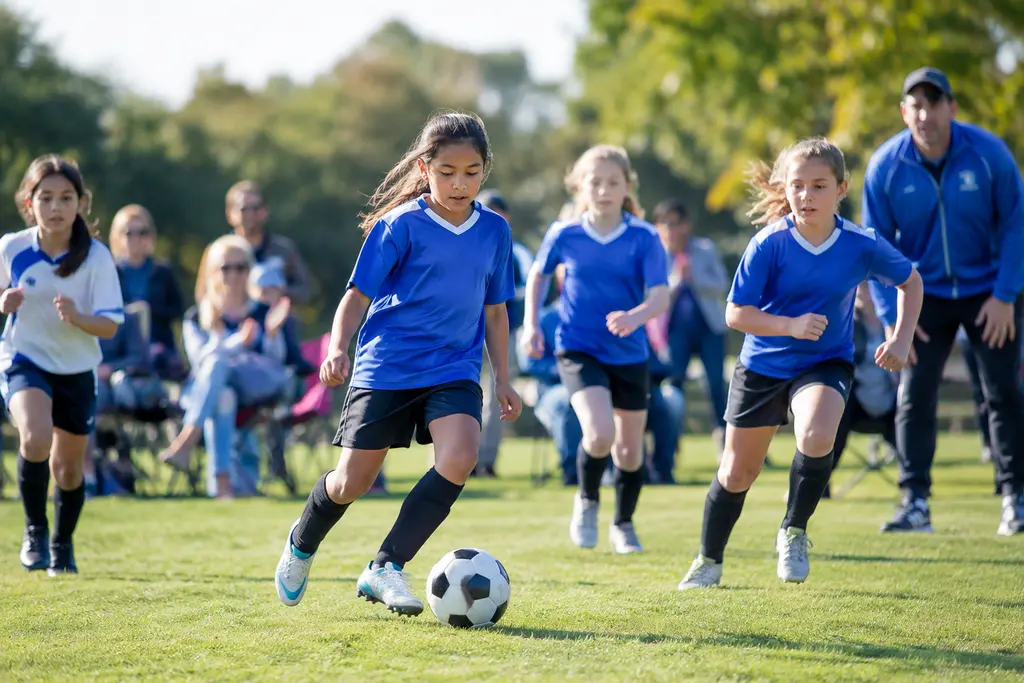
youth sports programs in College Station gained a clear set of lessons from the 2026 summer event calendar: families respond to organized opportunities, visitors support the local sports economy, and new athletes need simple entry points. For parents and community leaders getting started, the best takeaway is not that every child needs a travel-team path. It is that well-run local programs can connect kids with friends, coaches, and steady skill growth.
Between May 16 and August 23, 2026, College Station hosted 10 high-level sports tournaments, from soccer state cups to multi-sport showcases, and the city projected about 55,000 visitors across hotels, shops, and restaurants city tournament preview. That scale matters for youth sports because big events do more than fill fields for a weekend. They show families what organized competition looks like, reveal facility pressure points, and give local clubs a chance to see what new participants may need after the event tents come down.
Why Youth Sports Programs Gained Attention In College Station
Youth Sports Programs As A Starting Point
The strongest youth sports ideas usually begin with a simple question: what helps a child come back next week? For first-time players, the answer is often a friendly coach, clear practice times, manageable costs, and teammates they enjoy. Competitive goals can come later. The early stage should make room for kids who are curious, nervous, or returning after time away from organized sports.
College Station’s 2026 summer events showed how many families can gather around sport when schedules, venues, and event operations are easy to understand. That same lesson applies at the neighborhood and beginner level. A new program does not need to copy a tournament operation, but it can borrow the habits that help families feel prepared: posted dates, plain registration language, weather plans, parking notes, and a direct contact for questions.
What The Facility Survey Suggests
Demand also showed up in city recreation research. In the City of College Station’s Community Recreation Center Needs Assessment Survey Report, only 20% of respondents said youth sports leagues were fully met, while 31% said mostly met, 32% said partly met, and 17% said not met. For youth sports programs and camps, 17% said fully met, 32% mostly met, 30% partly met, and 21% not met recreation needs assessment. Those numbers point to a real opening for beginner-friendly offerings, especially programs that serve kids who are not already attached to a club or select team.
| Program Area | Fully Met | Mostly Met | Partly Met | Not Met |
|---|---|---|---|---|
| Youth Sports Leagues | 20% | 31% | 32% | 17% |
| Youth Sports Programs And Camps | 17% | 32% | 30% | 21% |
For a parent, those percentages are a reminder to ask what kind of program fits the child, not just what is available first. For a coach or organizer, they are a signal to build with access in mind: beginner divisions, clear age groups, safe warmups, and coaches who can teach basics without making players feel behind.
What The 2026 Summer Events Taught Organizers
Use Tournament Weekends As Learning Labs
Large summer events can teach local organizers where families need help. Parking flow, check-in timing, hydration stations, shade, field maps, and volunteer roles all affect whether a sports day feels welcoming. Even small leagues can study those details and scale them down. A six-team soccer clinic may not need the same operations plan as a state cup, but it still needs a schedule that parents can trust and a safe plan for heat or rain.
For new youth sports programs, summer event traffic also shows why local partnerships matter. Restaurants, hotels, parks staff, athletic trainers, school facilities, and volunteer groups often touch the sports experience. A starter program can begin with fewer partners, but it should still know who handles fields, first aid, equipment storage, and communication when plans change.
Keep Access Clear For New Families
One common mistake in youth sports is assuming every family understands the terms. Words like academy, select, recreational, showcase, pool play, or bracket may be familiar to veteran sports parents but confusing to newcomers. If the goal is getting started, program pages and flyers should explain exactly who the program serves, what equipment is needed, how much experience is expected, and whether tryouts are required.
Coaches can also reduce stress by making the first two weeks predictable. A simple pattern works well: greet players by name, start with movement, teach one skill, practice it in a small group, then finish with a short game. Families who want deeper coaching support can build from resources like youth coaching basics, especially if a parent volunteer is stepping into a first coaching role.
How New Programs Can Start Responsibly
Build From Participation Motives
Not every child joins sports for the same reason. Some want to play with friends. Some want to learn new skills. Some are testing a sport before choosing one to pursue. A responsible startup plan leaves room for all three. That means avoiding early pressure, giving players enough touches or reps, and setting goals that fit the age group.
For elementary-age players, success may look like learning to dribble with both feet, catching with confidence, serving over the net, or finishing a relay with teammates. For middle school athletes, success may include position basics, better conditioning, or learning how to respond after a mistake. For older beginners, the program can offer honest feedback while still making late entry feel possible.
Plan Around Coaches And Space
Before opening registration, organizers should answer practical questions that protect the athlete experience. Who is coaching? How many players can one coach handle safely? Is there enough field or court space for movement, not just standing in lines? What is the plan if turnout is larger than expected? The College Station survey numbers suggest interest is not the only issue; capacity and fit matter too.
- Start small: launch one age band or skill group before adding more divisions.
- Set clear roles: separate head coaching, check-in, equipment, and parent communication duties.
- Use short sessions: younger athletes often learn better in focused blocks with frequent water breaks.
- Track feedback: ask families what worked after week two, not only at the end of the program.
- Protect the beginner lane: keep at least one option where new players can learn without tryout pressure.
Responsible planning also means being honest about what a program is not. A starter camp should not promise scholarships, roster spots, or fast-track outcomes. It can promise organization, encouragement, and quality instruction. Those promises are easier to keep and better matched to what many families want from the first season.
Youth Sports Programs In College Station
Practical Steps For Parents And Local Leaders
For families in College Station, the 2026 summer sports calendar offered a useful model: sports participation grows when the path is visible. Parents can ask direct questions before signing up. What days does the program meet? Who coaches the sessions? Is the group beginner-friendly? What happens if a child misses a week? Are games local, or will travel be required?
For local leaders, youth sports programs should be built with the same care that successful events use, but with the child’s first experience as the center. Clear registration, safe practice design, coach support, and realistic goals can make the difference between a one-time sign-up and a player who stays active for years.
College Station’s summer event impact showed that sports can bring visitors, energy, and attention to the community. The next useful step at the local level is to make sure more children can enter that sports culture at an age-appropriate pace. If programs begin with access, communication, and sound coaching, the benefits reach beyond the scoreboard and into family routines, friendships, and community connection.