
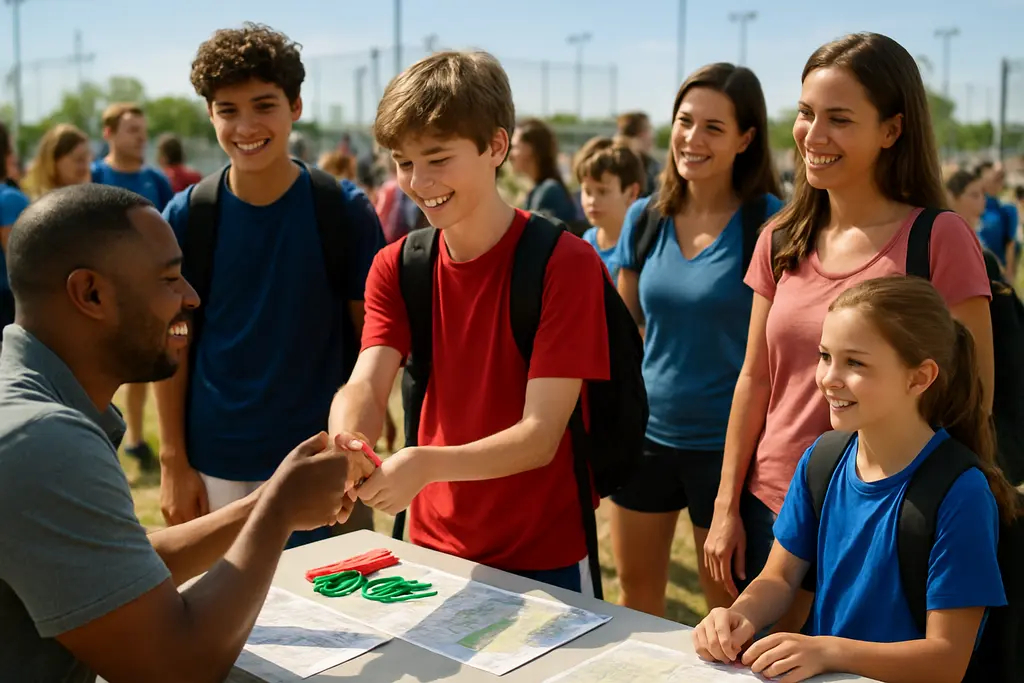
Venue logistics can decide whether a major youth sports tournament feels organized, safe, and welcoming for families. For Texas tournament hosts, school athletic staff, club directors, and parent volunteers, the work starts long before the first warmup. Fields, courts, parking lots, equipment rooms, medical stations, volunteer check-ins, and team communication all need to fit together in a way that supports athletes instead of distracting them.
The research supplied does not point to one single Texas-specific rulebook for every youth sport or venue type, so the best starting point is to use proven sport operations principles and then match them to local facility rules, school district policies, city requirements, and sport governing body standards. That keeps the plan practical while avoiding guesses. The goal is simple: help teams arrive on time, play on safe surfaces, find the right spaces, and leave with trust in the event staff.
Why Venue Logistics Shapes Tournament Days
Venue Logistics Starts With Site Knowledge
A site walk is one of the best early steps for any tournament team. Walk the same routes a parent, coach, athlete, referee, trainer, vendor, and emergency responder would use. Look at entrances, exits, loading areas, restroom access, shade, lighting, field spacing, court spacing, and places where lines could block traffic. A map on a computer can help, but it cannot show every curb, locked gate, muddy low spot, or narrow hallway.
Research on sport operations supports treating the site as part of a larger system. The sport logistics framework described by the Australian Institute of Business identified venue, fan, athlete, and equipment logistics as connected parts of event delivery sport logistics framework. That matters for youth tournaments because a parking issue can become a late kickoff issue, a field access issue can become a referee delay, and a missing equipment cart can slow the next pool-play round.
For a local tournament director, the site walk should end with decisions, not just notes. Mark which gate opens first, where buses or vans should unload, where trainers can work without crowding team benches, and where families can gather without blocking athletes. If the event uses multiple schools, parks, or private facilities, each location needs its own plan, even if the same sport format is used across all sites.
Use A Reference Model Early
The SELMA reference model, published on April 28, 2026, defines key sport equipment logistics phases such as planning, transport, and inventory, and the authors describe sporting events as the largest non-defense-related logistics events SELMA reference model. Youth tournaments may not match the size of global events, but the same thinking helps. If no one owns inventory, transport, and setup, the first problem often appears when teams are already waiting.
For families, this behind-the-scenes work shows up in small but meaningful ways. Balls are inflated. Scoreboards work. Nets are ready. Cones, flags, tables, radios, first-aid kits, and ice are where staff expect them to be. That gives coaches more time to coach and athletes more time to settle into the rhythm of competition.
Venue Logistics Planning Before Teams Arrive
Build The Operating Plan Around Flow
A practical venue logistics plan should show how people and equipment move from arrival to departure. Start with the heaviest pressure points: parking entry, gate check-in, team check-in, equipment drop-off, warmup areas, restrooms, concessions, medical access, and exits after bracket games. If the same path handles all those groups, the plan needs separation by time, space, or staff direction.
For tournament hosts getting started, it helps to write a short operating timeline. That timeline should begin the day before competition, not the morning of the first game. Include field marking or court setup, table delivery, signage placement, referee packet prep, volunteer briefing, trash service, restroom checks, and weather review. Families notice the first hour of an event, but the first hour depends on decisions made the prior week.
Parking deserves special attention because it affects the first impression. Pre-event communication should tell families where to enter, where not to park, what time gates open, and whether drop-off lanes exist. If a venue shares space with another event, school activity, or public park use, spell that out. Parents traveling with younger siblings, grandparents, coolers, folding chairs, and team gear need clear instructions before they reach the property.
Separate Equipment From Spectator Traffic
Equipment movement is easier when it does not compete with spectator lines. Staff should decide where game balls, nets, goals, tables, radios, hydration supplies, and medical supplies enter the site. If a golf cart, utility vehicle, or hand truck is used, set a safe route away from walking families whenever possible. If that is not possible, use clear timing and staff escorts.
| Planning Area | Early Decision | Why It Helps |
|---|---|---|
| Parking | Assign entry points and overflow areas | Reduces late arrivals and road backups |
| Equipment | Set inventory owners and delivery times | Prevents missing gear before first games |
| Medical | Place staff near play and emergency routes | Speeds response without blocking benches |
| Communication | Use one update channel for teams | Limits conflicting schedule information |
For smaller clubs building their first plan, it can help to compare notes with proven event planning steps. A simple place to start is this same-site resource on local tournament planning basics, especially for setting dates, fields, budgets, volunteers, safety, and team communication.
Staffing, Safety, And Communication
Give Volunteers Jobs They Can Understand
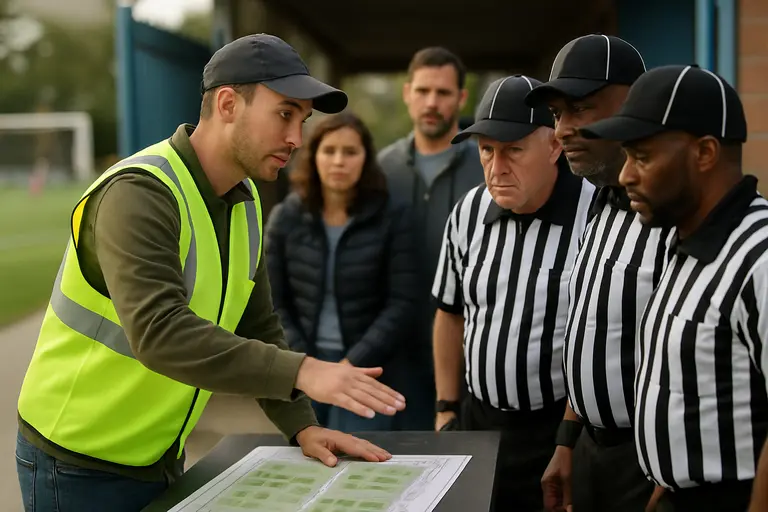
Volunteers make many youth tournaments possible, but they need clear job boundaries. A parent at a parking entrance should not have to answer bracket format questions. A score table volunteer should not be responsible for medical calls. A field marshal should know who to contact for referee delays, equipment issues, or parent concerns. The more specific the role, the faster problems move to the right person.
Training does not need to be complicated. A short pre-event meeting can cover radio use, emergency contacts, site maps, schedule language, weather steps, and who has authority to pause play. Each volunteer should receive the same basic information, then a role card or message with their exact post, shift time, and escalation contact.
Communicate Before Families Start Driving
Good communication lowers stress. Send coaches and team managers the facility map, arrival window, parking instructions, roster or waiver steps, equipment reminders, and schedule update process before the event. If the schedule is likely to shift because of bracket results, weather, or field conditions, say so early. Parents can handle uncertainty better when they know where updates will appear and who is allowed to post official changes.
Weather planning should be direct. Texas events can face heat, lightning, wind, rain, and field condition issues depending on the sport and time of year. The research supplied points to weather and climate as major factors in large event planning, including heat management, water breaks, climate control where available, and adjusted start times. Youth hosts should set their heat, lightning, shelter, and restart procedures before tournament day and share the basic process with teams.
- Use one command contact: Coaches should know the main tournament contact for site issues.
- Post maps early: Include parking, check-in, medical, restrooms, and warmup areas.
- Protect emergency access: Keep lanes, gates, and medical routes clear all day.
- Track equipment: Assign names to inventory, transport, setup, and return.
- Prepare backup spaces: Identify shelter, overflow parking, and staging areas.
- Review after the event: Collect notes from staff, coaches, officials, and families.
Safety planning should also cover medical access. The research notes cite youth and international competition regulations that place responsibility on host organizations for safety, security, and minimum medical support. Tournament hosts should confirm the standards that apply to their sport, age group, facility, and sanctioning body rather than assuming one general plan fits every event.
What Venue Logistics Means For Youth Tournament Hosts
Measure The Experience After The Last Game
Venue logistics is not finished when the champion is named. The final step is to review what happened while details are still fresh. Ask field marshals where lines formed. Ask referees whether they had the right spaces and timing. Ask athletic trainers whether medical access stayed clear. Ask coaches whether schedule updates reached them fast enough. Ask parents where signs, maps, or parking instructions failed.
That review should lead to a short improvement list for the next event. Maybe the north gate needs one more scanner. Maybe the warmup field needs earlier opening. Maybe one restroom area needs more service during bracket play. Maybe team check-in should move away from spectator entry. Small corrections can make the next tournament feel much smoother without requiring a bigger budget.
Major youth sports events also affect the local community. Families buy meals, fill hotel rooms, visit stores, and create weekend traffic around schools, parks, and sports complexes. A well-run event respects that community impact. Clear parking plans help nearby neighborhoods. Good trash service protects shared spaces. Friendly volunteers shape how visiting families remember the host city.
For young athletes, the best tournament operations are often the ones they barely notice. They arrive, warm up, compete, recover, and move to the next match without confusion pulling attention away from the sport. For parents and coaches, strong planning builds trust. That trust is what brings teams back, supports local sports identity, and helps youth tournaments grow in a responsible way.