
Venue logistics moved from a preseason planning note to a weekly family issue for some Texas high school football communities during the 2026 season. As of October 24, 2026, Red Oak football has already been living with the effects of a full home-field relocation, while other districts have had to explain changes around performance timing, parking, entry points, and family expectations. For coaches, athletic departments, band directors, photographers, and parents, the lesson is direct: clear communication protects the student experience when the usual Friday night routine changes.
Texas high school football is built around habits. Families know where to park, where grandparents sit, where the band enters, where players run out, and where photographers set up for clean action shots. When those habits are disrupted, small details become big stress points. A venue shift can affect arrival times, ticket links, camera locations, bus flow, halftime schedules, and the feeling of home-field energy. Good communication does not remove every inconvenience, but it gives families a fair chance to plan.
From a sports photography view, these changes matter because dynamic youth sports moments depend on preparation. A photographer cannot capture a clean sprint down the sideline, a drumline entrance, or a senior family moment if field access, timing, and staging points are unclear. The same is true for parents trying to support students across football, band, drill team, cheer, and student media. Logistics are not background details; they shape the way the community experiences the game.
Venue Logistics Start With One Source
Venue Logistics For Red Oak Families
Red Oak High School offers the clearest Texas example from the 2026 football season. The Hawks relocated 2026 home football games to Lancaster ISD while Goodloe Stadium undergoes a $46.8 million renovation that began in March 2026 and is projected for completion by September 30, 2027, according to an SI report. That is not a one-night adjustment. It changes the rhythm of an entire football season for players, coaches, families, and support groups.
The strongest first step in that kind of move is naming a single trusted update point. Red Oak ISD has directed fans to its Athletics website for schedule updates, temporary home-game site locations, ticket information, and construction news tied to the move into UIL Class 6A District 11, as stated in the district’s district athletics post. That matters because families should not have to piece together travel details from scattered texts, reposts, or secondhand comments.
What The District Has Verified
Verified information should sit at the center of every message: date, opponent, kickoff time, site name, address, ticket process, entry gates, parking guidance, student group arrival windows, and any construction-related notes. If one of those details is not ready, the district can say so plainly and give the next expected update time. Uncertainty is easier for families to accept when it is acknowledged early.
This is also where athletic departments can protect coaches and directors from being the only messengers. A head coach may be focused on roster depth and practice plans. A band director may be managing performance order and transportation. A drill team sponsor may be aligning arrival times and student supervision. A central athletics page gives each program the same baseline facts, then lets program leaders add group-specific notes without rewriting the full plan.
For schools building their own process, a related planning frame can be found in venue logistics for Texoma School Sports, especially for aligning travel, safety planning, and family communication around UIL events.
Timing Changes Need Plain Language
Plano’s Performance Timing Lesson
The research notes also point to Plano ISD’s August 24, 2026 parent letter as a different kind of logistics challenge. Rather than a full stadium relocation, the issue centered on newly adopted UIL District 7-6A parameters for junior varsity and 9-10 grade band and drill team performances. The letter explained that some non-varsity halftime performances could move to before or after games rather than remaining at halftime.
That kind of timing change can feel small on an operations sheet but large to families. Parents may have work schedules built around halftime. Students may view halftime as the most visible performance window. Photographers may plan lens choice, sideline movement, and low-light settings around a set halftime routine. If a performance shifts after the game, the light, crowd size, athlete fatigue, and family attention can all change.
Why Student Visibility Belongs In The Message
Plano’s reported letter included several specifics: when Plano ISD teams faced internal opponents, up to 14 minutes could be allocated for halftime performances by the home band and drill team; when teams faced external ISD opponents, performances could occur after the game with a combined 28-minute limit. The communication also stated that every 9-10 grade band and drill program would receive at least one halftime performance during the non-varsity football season.
Those details show why plain language matters. A family needs to know not only what changed, but why one date differs from another. If a school says, “internal district games follow one timing model, external district games follow another,” parents can plan with less guesswork. If equity is part of the decision, the school should say exactly how equity is being handled and how the schedule supports every program.
The community response noted in the research, including parent and student concern over visibility and tradition, is a reminder that communication is not just distribution. It is also listening. A district can set the final schedule and still invite questions, correct confusion, and clarify the student-centered reason for the decision. The tone should respect that football nights are shared events, not just contests between teams.
Photography And Game-Day Communication
Capture The New Home Routine
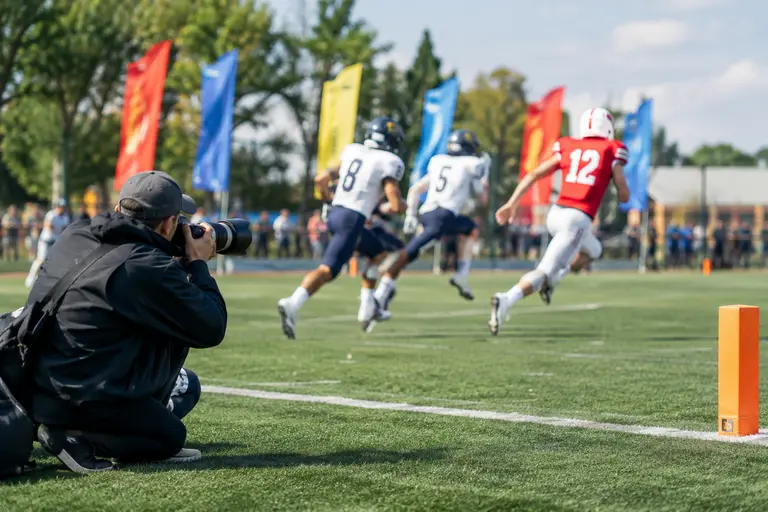
For photographers, a relocated home game is not just a new backdrop. It changes the scouting plan. The sun angle may hit the visitor sideline differently. The team entrance may come from a different corner. Band staging might move. Cheer and drill team spacing may shift. Media work areas can change by venue. If a district communicates those details early, photographers can better capture peak action and community moments without getting in the way of operations.
At youth and high school events, the best images often happen in transition: players walking from buses, captains meeting at midfield, a sophomore musician stepping into formation, a running back cutting near the pylon, or a coach gathering the team after a hard series. Those moments depend on access, timing, and awareness. Clear game-day notes help photographers stay ready while respecting safety lines and school rules.
Build A Shared Visual Record
There is also community value in documenting a season played away from the usual home field. For Red Oak, the 2026 season at Lancaster ISD is part of the Goodloe Stadium renovation story. Photos can show how students, families, and staff carried home traditions into a temporary setting. That record will matter when Goodloe Stadium is completed, because the renovation period will be remembered through images as much as through schedules and construction updates.
Schools can support that record by including photography notes in their weekly communication. A short media line can identify approved field access, student group photo timing, senior night staging, and any restrictions near construction or transportation zones. Families should also know whether photo areas differ from prior seasons. That keeps the focus on students rather than last-minute confusion.
- Before game week: confirm site, kickoff time, ticket process, parking, and student group arrival windows.
- During game week: repeat the most relevant details through the athletics site, coach messages, and program channels.
- On game day: send only essential reminders, such as gate changes, weather-related timing shifts, or parking updates.
- After the event: ask coaches, directors, and families what caused confusion, then improve the next message.
Why Venue Logistics Matter For Red Oak Football
A Community Standard For Clear Updates
The Red Oak situation shows why venue logistics should be treated as part of the sports experience, not just an operations file. A team can be prepared, a band can rehearse well, and families can show up with pride, but unclear travel or access details can still create frustration before kickoff. The move to Lancaster ISD changes what “home” feels like during the 2026 season, so communication has to help rebuild that home feeling week by week.
For Texas high schools, the standard should be simple: verify first, publish in one central place, repeat through trusted team channels, and explain how changes affect students. That applies to stadium relocations, performance timing, ticketing, parking, and construction updates. It also applies to the visual side of youth sports. When communication is clear, photographers can capture the speed, effort, and emotion of the night; families can focus on supporting students; and the community can keep its football identity strong even when the venue changes.