

Baytown Sports Complex planning should start with a clear understanding of what has been announced, what remains in development, and who the facility is meant to serve. The project at the center of this conversation is the ExxonMobil Baytown Events Center, or EMBEC, which is being shaped with a strong youth sports focus. For coaches, parent volunteers, school partners, civic groups, and local businesses, the smartest first move is not to guess at future schedules. It is to build flexible event ideas that can adapt as the project moves from design to construction.
That approach matters because community events work best when they reflect real local needs. A tournament that serves travel teams, for example, may need different arrival windows, food planning, and volunteer staffing than a school showcase or a community skills clinic. Baytown has time to prepare, but that time should be used well: gathering input, setting realistic budgets, thinking through family access, and respecting the public process already underway.
Why Baytown Sports Complex Planning Starts Now
Baytown Sports Complex Timeline Basics
The EMBEC project carries a reported total budget of $75 million, with upfront funding tied to an economic development agreement with ExxonMobil. The site is planned for the corner of Texas Avenue and Decker Drive, just east of Highway 146, with groundbreaking expected in mid-2027 and a target completion date in February 2029, according to the Baytown-West Chambers County Economic Development Foundation.
Those dates give organizers a practical window. Planning a community sports event does not require a finished building, but it does require early alignment. Youth leagues can begin discussing which sports are most likely to fit indoor court use. Booster clubs can map out volunteer strengths. Local vendors can consider how tournament weekends may affect staffing and inventory. City partners and civic groups can also think about where community celebrations, senior wellness activities, and youth development programs may fit without crowding the sports calendar.
What The Project Includes
Research notes describe the facility as a 120,000- to 200,000-square-foot campus with 8 to 12 indoor courts, multipurpose flexible event spaces, food service amenities, locker and training areas, lease or community spaces, and an optional championship arena. Because the final design process is still moving, event planners should treat those features as planning parameters rather than a confirmed daily operations map.
That distinction protects everyone involved. A volleyball tournament director can begin estimating court needs, but should avoid announcing fieldhouse layouts before final plans are public. A basketball organizer can sketch weekend brackets, but should wait for venue rules before promising warmup areas, ticketing plans, or championship seating. Responsible planning builds excitement without creating expectations the facility may not be set up to meet.
Build Events Around Local Sports Needs
Start With Youth Tournament Fit
The announced focus on youth sports gives Baytown a strong starting point. Indoor courts can support basketball, volleyball, cheer, futsal-style programming, camps, clinics, and multi-sport showcases, depending on the final setup and operating policies. The community value will come from matching the right event to the right age group, season, and support system.
For example, a tournament aimed at middle school athletes may need shorter game windows, clear parent communication, and strong hydration and recovery planning. A high school showcase may need more attention to roster information, athlete photography permissions, trainer access, and media check-in. For organizers learning the basics, this related primer on local sports tournaments offers a useful planning frame for dates, volunteers, safety, and team communication.
Plan For Families, Seniors, And Access
Baytown’s population was estimated at 86,561 as of July 1, 2025. The U.S. Census Bureau also reported that 27.6% of residents were under 18 and 11.7% were 65 or older, with median household income listed at $59,910 and poverty at 18.2%, based on U.S. Census Bureau QuickFacts.
Those numbers point to a simple truth: event planning should serve more than the athletes on the court. Families may need affordable admission structures, clear parking information, and predictable game times. Older residents may benefit from accessible seating, shaded or indoor waiting areas, and events that welcome grandparents as part of the local sports culture. Cost matters, too. If youth participation is a goal, organizers should weigh entry fees, concessions, uniform costs, and travel demands before shaping an event.
Set A Practical Community Event Framework
Match Programming To Space And Staffing
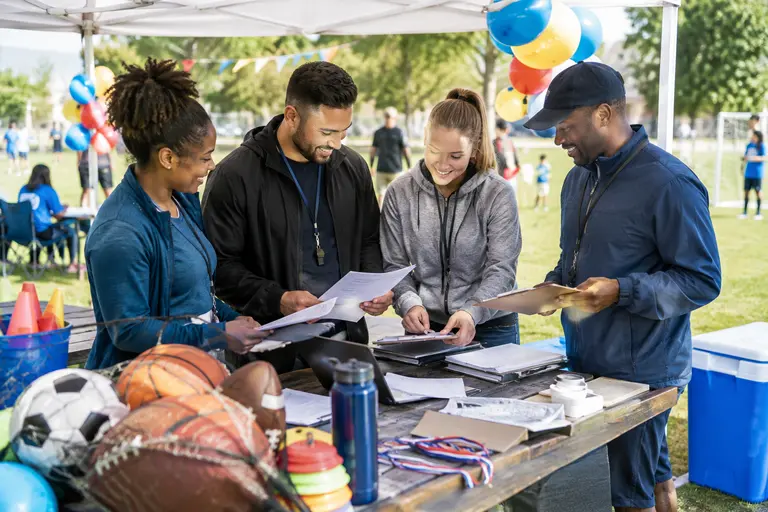
Early Baytown Sports Complex planning works best when groups build a framework that can be adjusted later. The framework should start with purpose. Is the event meant to raise funds, give local athletes more court time, attract regional teams, celebrate a school rivalry, or introduce younger children to organized sports? Each goal points to a different structure.
- Sport and age group: Choose divisions that match local demand and available volunteer knowledge.
- Event length: Decide whether a one-day clinic, weekend tournament, or weeknight league best fits families.
- Volunteer roles: Identify scorekeepers, hospitality workers, admissions staff, site runners, and safety contacts.
- Family communication: Prepare plain-language updates on schedules, parking, check-in, and conduct expectations.
- Budget categories: Track facility costs, officials, insurance, awards, medical support, food service, and cleanup.
- Youth protection: Set policies for photo consent, locker room boundaries, adult supervision, and athlete privacy.
A good event plan should also leave room for city rules and facility policies that are not final yet. Organizers can draft sample budgets and bracket formats now, but they should wait for official venue procedures before setting firm promises for court counts, rental rates, signage, vendor access, or media areas.
Use Public Input Responsibly
Community engagement around the project has been described as ongoing, with schematic design and design development phases running from Spring-Summer 2026 into Fall-Winter 2026. Research notes also point to public forums, stakeholder input, online surveys, and city council updates. That means event planners have a responsibility to listen before locking in their own priorities.
For sports organizations, responsible input means being specific. Instead of asking only for more gym time, a league can explain how many teams it serves, which nights are hardest for families, and what safety needs arise during tournament weekends. A school group can describe how student-athletes move between classes, practice, and family responsibilities. A civic group can raise questions about accessible programming, senior wellness events, or community use outside tournament weekends.
Ethical storytelling should be part of the planning process as well. Youth athletes should not be treated as marketing props. If photos, videos, or player stories are used to promote future events, organizers should secure permission, avoid overstating recruiting value, and present athletes with dignity. Local sports pride is strongest when families trust the people telling the story.
What Baytown Sports Complex Planning Means For Baytown Teams
A Sports-First Community Opportunity
If Baytown Sports Complex planning stays grounded in verified information, the project can help teams think bigger without losing sight of local needs. The facility’s projected youth sports focus gives coaches and organizers a chance to build events that support player development, family participation, and community connection. The best ideas will likely be the ones that balance competition with access.
That may mean starting small: a skills day for elementary athletes, a local referee training clinic, a preseason coaches meeting, or a community tournament that invites nearby programs without overloading volunteers. It may also mean building partnerships with schools, recreation groups, health providers, and local businesses so event weekends feel organized rather than rushed.
The smartest next step is documentation. Groups should write down event concepts, estimated team counts, staffing needs, safety questions, and budget ranges now. As official updates continue, those notes can be revised into proposals that are ready for review. By the time the doors open, Baytown can have more than a new venue. It can have a thoughtful sports calendar shaped by the people who know the community best.