
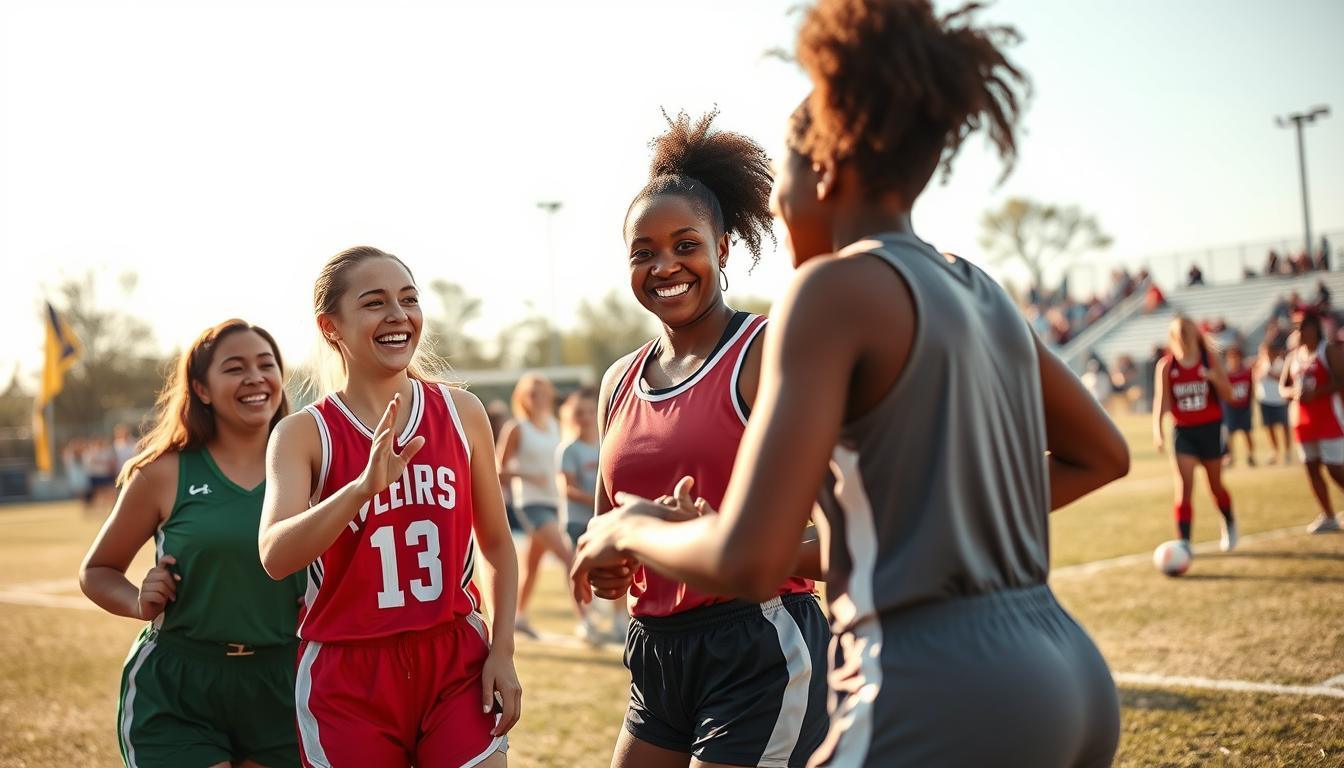
Have you ever noticed how sports sidelines seem like a club for middle-aged men? I’ve stood there with my camera, getting strange looks from photographers. They’ve been taking the same photos of touchdown celebrations for decades.
But there’s a beautiful irony. While they’re taking the same photos of male athletes, I’m capturing something new. Women are claiming their space in places where they’ve been ignored for too long.
The Michigan Daily photographers got it right. Representation is more than just taking pictures. It’s about changing the stories we tell. When Grace Beal captures the “passion, community, and strong bonds” through her lens, she’s showing us a shift in culture.
Let’s face it – women’s sports get only 4% of media coverage. Every photo we take is a small act of defiance. It’s not just about getting the shot. It’s about making sure future female athletes see themselves as powerful, determined, and amazing.
Ethical Guidelines for Inclusive Images
Let’s talk about real allyship in sports photography. It’s not just about showing diversity. It’s about breaking stereotypes with every photo. A key University of New Hampshire study showed how images shape our views of people and their worth.
Photographing athletes with disabilities isn’t about charity. It’s about capturing their true athletic talent. The socio-ecological model shows that inclusion works at many levels. Your camera works at all of them too.
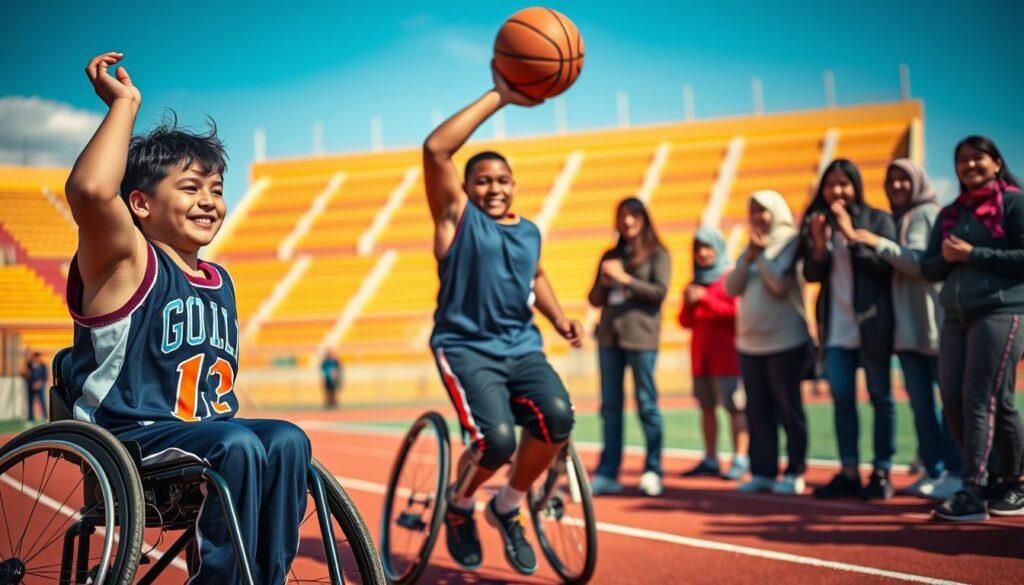
Think about this: a photo of a power soccer athlete saving a goal does more than fill space. It changes how we see them. It says they are athletes, not just people with disabilities.
Here’s a hard truth: we’ve been showing diversity without really doing it. It’s time to move past tokenism to real stories. Realizing your expensive lens has been focusing on the wrong stories is a big step.
Social Role Valorization theory is key to changing how we see athletes with disabilities. We should show their skills, strategy, and athleticism. The wheelchair should be as unimportant as the shoes in a big game.
Your ethical checklist should include:
- Are we showing athletes as agents of their own stories?
- Does the composition emphasize ability over limitation?
- Are we capturing the full range of human emotions in competition?
- Would this image look different if the athlete didn’t have a visible disability?
True inclusion means seeing athletes first, disabilities second. That’s not just ethical photography. It’s changing the way we see sports.
Educating Teams and Parents
Teaching photo ethics to sports parents is like explaining TikTok to baby boomers. Both think they know it all. But, when Michigan Daily photographers capture adaptive sports, they do more than just take pictures. They build communities where everyone is seen as an athlete first.
Parents don’t need long lectures on representation. They need simple tips to turn their photos into powerful statements of achievement. The Northeast Passage program shows how photography can help in rehabilitation. It’s not just about capturing moments, but showing pure athletic excellence.
Imagine if we treated sports photography like inclusive education. Both need to understand that visibility shapes identity. When a child with disabilities sees themselves as an athlete, it changes how they see themselves.
Every parent with a smartphone is now a sports photographer. The real question is, will they understand the impact of their photos? We’re talking about consent, dignity, and capturing athleticism without making the athlete feel different.
| Common Parent Behavior | Ethical Alternative | Impact on Athlete |
|---|---|---|
| Zooming in on disability equipment | Capturing game action and facial expressions | Focuses on athletic performance, not assistive devices |
| Posting “inspirational” captions | Using athletic terminology and achievement-focused language | Reinforces identity as competitor, not inspiration |
| Sharing without athlete consent | Establishing clear permission protocols | Respects autonomy and personal boundaries |
| Focusing solely on their child | Documenting team interactions and community | Builds collective identity and belonging |
The Michigan Daily photographers found something amazing. When you treat adaptive sports like professional athletics, you elevate the participants. It’s not about special treatment, but equal respect in photography.
Practical photo ethics education for parents should include:
- Understanding the difference between documenting athleticism and creating inspiration porn
- Learning basic composition that emphasizes action over apparatus
- Establishing team-wide consent protocols for image sharing
- Recognizing that every photograph contributes to an athlete’s self-narrative
Teaching teams about photo ethics means changing how we view athletes. It’s about shifting from “look what they can do despite their disability” to “look what they can do as athletes.” Small changes in language and composition can make a big difference. The most powerful camera is the one used by someone who understands the impact of every click.
Readdressing Biases
Let’s dig into our own biases like archaeologists uncovering hidden truths. We find that while 12.6% of Americans have disabilities, nearly half of them don’t get enough exercise. This isn’t about their ability, but about making sports accessible to everyone.
Why do we see such a gap? Our systems were made for a “perfect” body that doesn’t exist. Hannah Torres talks about the frustration of sports coverage dominated by men. She’s pointing out just one part of the bias problem.
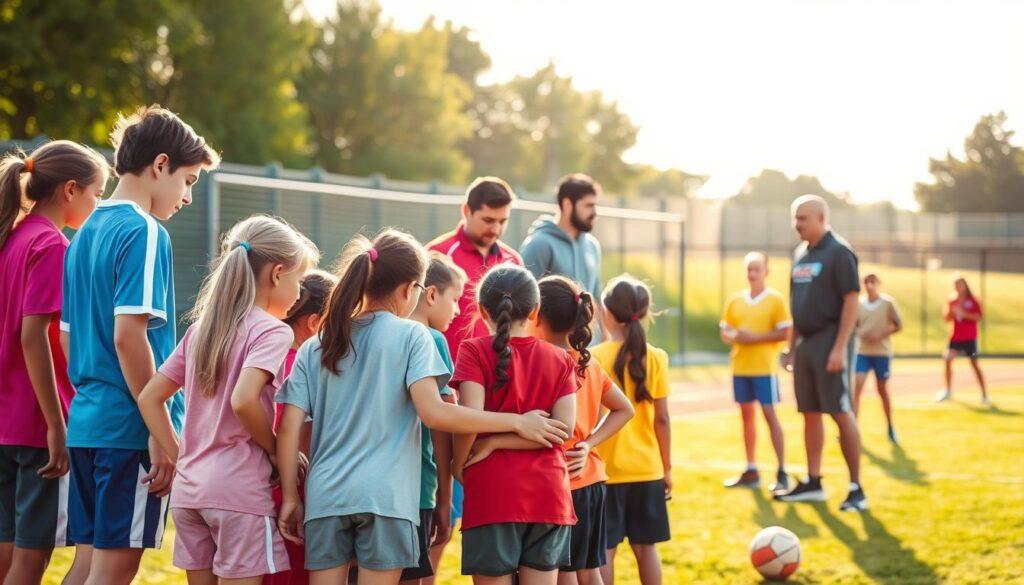
Young people with disabilities face more restrictions and risks of obesity. It’s not because of their conditions, but because we haven’t made sports inclusive. Every decision in sports coverage sends a message about who’s important.
Traditional sports photos have always shown bias, coding bodies and abilities. But what if cameras could help us see our biases? They can if we look at what they’ve shown us.
Changing biases means asking tough questions. Why do we celebrate some bodies but ignore others? How do our choices in photos keep stereotypes alive? To truly include everyone, we must question our own visual language.
Good news: awareness is the first step to change. Every time we choose a story or athlete, we shape the future. Inclusion isn’t just about numbers; it’s about seeing athletic excellence in all its forms.
This isn’t about being politically correct. It’s about math: excluding 12.6% of people from sports is wrong. Our cameras have been showing an unbalanced view.
True inclusion means every photo we take either challenges or confirms biases. The real question is, are we brave enough to confront our biases?
Case Examples from Local Leagues
Northeast Passage’s adaptive sports programs show how local teams become places of inclusion. Certified specialists don’t just coach games; they create spaces where everyone’s strengths shine. These programs show that adaptive sports are about breaking barriers, not limits.
At the University of Michigan, photographers like Anna Fuder capture moments that mainstream sports often miss. When she documents the women’s gymnastics team’s raw emotion, she’s not just taking pictures. She’s building archives for future historians studying how representation changes culture. These images show that the revolution isn’t televised but photographed.
Local teams are like petri dishes where inclusion either thrives or dies. Parents become advocates, coaches become allies, and photographers become archivists of quiet revolutions. As recent research confirms, these grassroots movements show how sports values go beyond competition to include inclusion and respect.
The biggest changes in sports culture happen in community arenas, not on professional fields. Where blades meet ice in sled hockey or gymnasts defy gravity, local teams show that changing the game starts with seeing different faces playing it.