
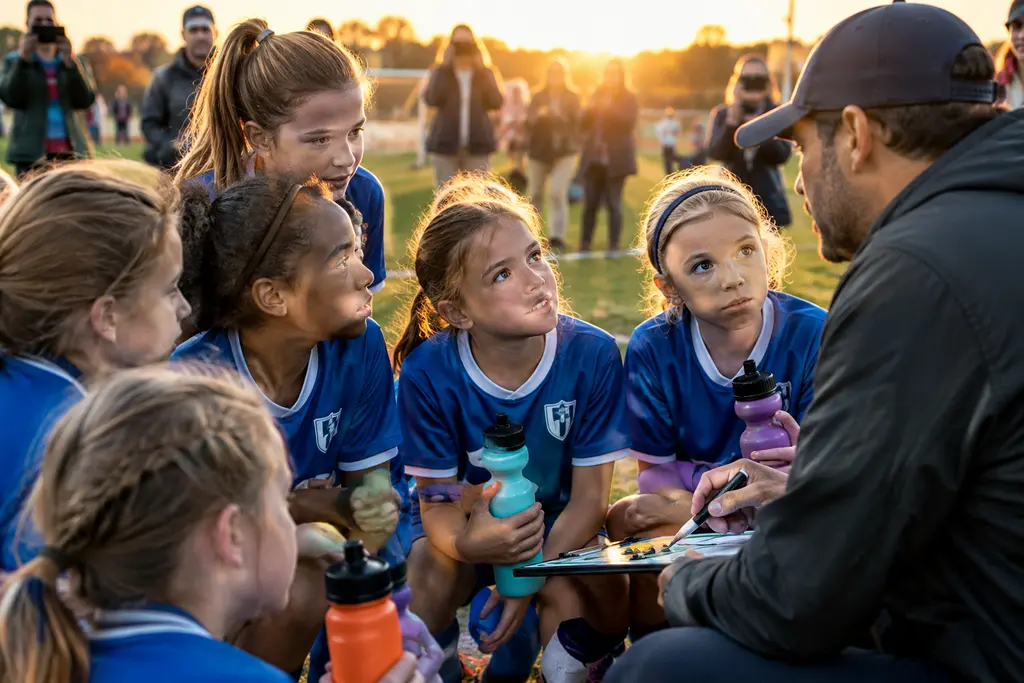
The Fall Premier Cup is scheduled for November 13-15, 2026, in Texas, with the Greater Lewisville Soccer Organization listed as host on the official North Texas Soccer event page. The event has room for a wide range of youth teams, from early-age small-sided play to older competitive groups, which makes preparation different for every family, coach, and player involved. For North Texas soccer communities, the value is not only in the scoreline. It is also in how teams organize travel, protect player health, support fair exposure, and keep the weekend grounded in development.
Because the entry deadline was listed as November 2, 2026, teams should be treating the final stretch as a planning period rather than a registration push. That means checking rosters, confirming arrival plans, reviewing player availability, and making sure families understand the schedule once it is released through official channels. Good preparation does not require pressure or panic. It asks coaches and parents to be clear, calm, and realistic about what young athletes need before three demanding days of soccer.
Fall Premier Cup Basics For Team Planning
Fall Premier Cup Schedule And Divisions
The official event information lists November 13-15, 2026, as the tournament window and describes age groups from 5U through 19U, with academy, competitive, and recreational divisions. Formats range from 4v4 for younger players to full 11v11 for older groups, according to the North Texas Soccer event page. That range matters because a 7U recreational team and a 17U competitive team should not prepare in the same way.
Younger teams need simple routines: arrive early, know the field number, bring weather-appropriate gear, and focus on effort, spacing, and listening. Older teams may need a tighter plan around warm-ups, substitutions, recovery windows, and player communication. Coaches can help by giving families one clear message about arrival times, uniform colors, hydration, and post-match meeting spots. When everyone knows the basics, players can spend less energy worrying and more energy competing.
Registration Costs And Family Budgeting
The event page listed the registration deadline as November 2, 2026, with fees that varied by age and division. Research notes included examples such as $700 for 10U academy and $1,050 for 15U-19U competitive 11v11. Those figures show why cost conversations should happen early and respectfully, especially for teams managing shared expenses, travel, meals, and extra family schedules.
For Fall Premier Cup families, budgeting is part of ethical youth sports planning. A tournament weekend can feel different for families depending on work schedules, transportation access, and the number of children in sports. Team managers can reduce stress by communicating costs in plain language, avoiding last-minute surprises when possible, and being thoughtful about optional expenses. A strong team culture includes the families who make participation possible.
Player Readiness Before Matchday
Training Load And Recovery
The week before a showcase should not be treated like a last-minute fitness test. Players are not likely to gain a new engine in a few days, but they can arrive tired if training is too heavy. Coaches should use the final practices to sharpen decision-making, restart habits, communication, and shape. Short, focused sessions can help players feel ready without draining them before the weekend begins.
For older teams, recovery planning should be discussed before the first whistle. Players need time between matches to cool down, eat, hydrate, and get off their feet. Parents can help by packing simple recovery items, planning meals around match times, and avoiding packed family schedules between games. The goal is not perfection. The goal is giving young athletes a fair chance to perform safely and consistently.
Safer Warm-Ups For Growing Athletes
Health should stay central in any showcase plan. The Associated Press reported that the average annual ACL injury rate among high school athletes grew nearly 26% from 2007 to 2022, with teenage girls facing greater risk in the story’s reporting on ACL injuries among high school athletes. That does not mean every tournament is unsafe, and it should not create fear. It does mean warm-ups, recovery, and honest communication about pain deserve attention.
Teams can support athletes by using active warm-ups, movement prep, and gradual build-up before kickoff. Players should also feel comfortable telling a coach when something does not feel right. No article can replace medical guidance, but coaches and families can still create a team setting where athletes are not praised for hiding pain. For more practice-planning ideas that fit youth sports settings, coaches can review youth coaching Texas principles focused on short drills and game-like reps.
- Before departure: confirm uniforms, shin guards, footwear, water, snacks, and any team documents.
- Before kickoff: use a planned warm-up rather than casual shooting or standing around.
- Between matches: prioritize food, fluids, shade or warmth, and quiet recovery time.
- After each game: check in on soreness, fatigue, and any contact injuries before the next match.
Showcase Habits That Help Athletes Be Seen
Communication Before The Event
For high school-age players, a showcase can be part of a broader recruiting process, but families should keep expectations grounded. Research notes for college showcase preparation point to the value of contacting coaches in advance with a schedule, position, club team, and academic information. That outreach should be accurate, brief, and respectful. Players should not exaggerate roles, statistics, or interest from schools.
The best player message is usually simple: who the athlete is, where and when the team plays, what position the athlete plays, and how a coach can follow up. A parent can help proofread, but the player’s voice should still come through. Recruiting communication rules can vary by level and graduation year, so families should be careful about timelines and should not assume every coach can respond in the same way.
Steady Play Across The Weekend
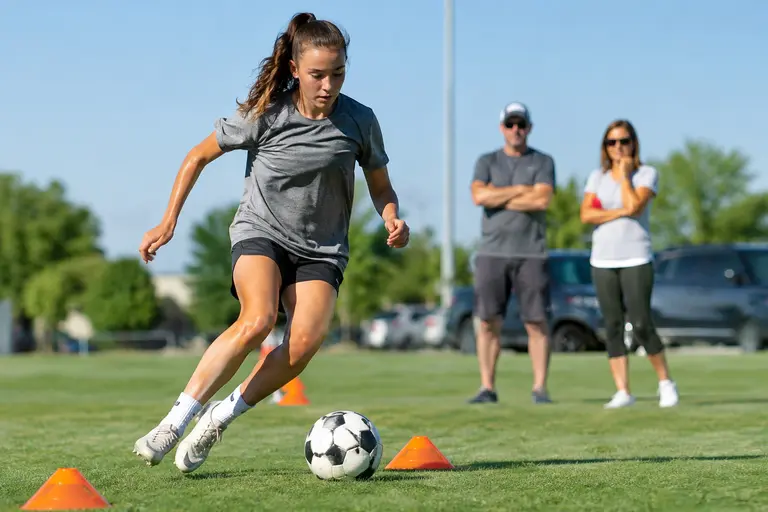
A showcase weekend rewards more than one standout run or one big save. Coaches and evaluators often look for repeatable habits: first touch, decision speed, communication, defensive recovery, body language after mistakes, and how a player responds to coaching. That is why the Fall Premier Cup should be approached as a full weekend of opportunities rather than one make-or-break match.
Players can help themselves by keeping the game simple early. Complete the first pass. Track the first runner. Win the first reasonable challenge. Communicate with a teammate. Those habits settle nerves and show maturity. A player who tries to force every moment may lose the rhythm that makes them effective. The most useful showcase performance often looks steady, connected, and team-first.
Coaches also carry responsibility here. Substitution patterns, player roles, and halftime messages shape how athletes handle the weekend. If the event is being used partly for exposure, players need clarity about where they will play and what the staff wants to see. If it is being used for development, the message should be just as clear. Young athletes should not have to guess what success means.
Why The Fall Premier Cup Matters In North Texas
The Fall Premier Cup gives North Texas soccer families a shared weekend built around competition, development, and community identity. Events like this bring together recreational players still learning the sport, academy players building confidence, and competitive athletes testing themselves in larger formats. That mix reflects the full youth soccer pathway, not only the players chasing college opportunities.
For the local sports community, the best version of the weekend is organized, safe, and honest. Teams can compete hard while still respecting officials, opponents, and young players’ limits. Parents can support without turning every touch into a judgment. Coaches can use the event to teach habits that last beyond November 15, 2026. If the weekend keeps development at the center, the results can serve a larger purpose: helping players leave with clearer goals, stronger team bonds, and a better sense of where they fit in the game.