
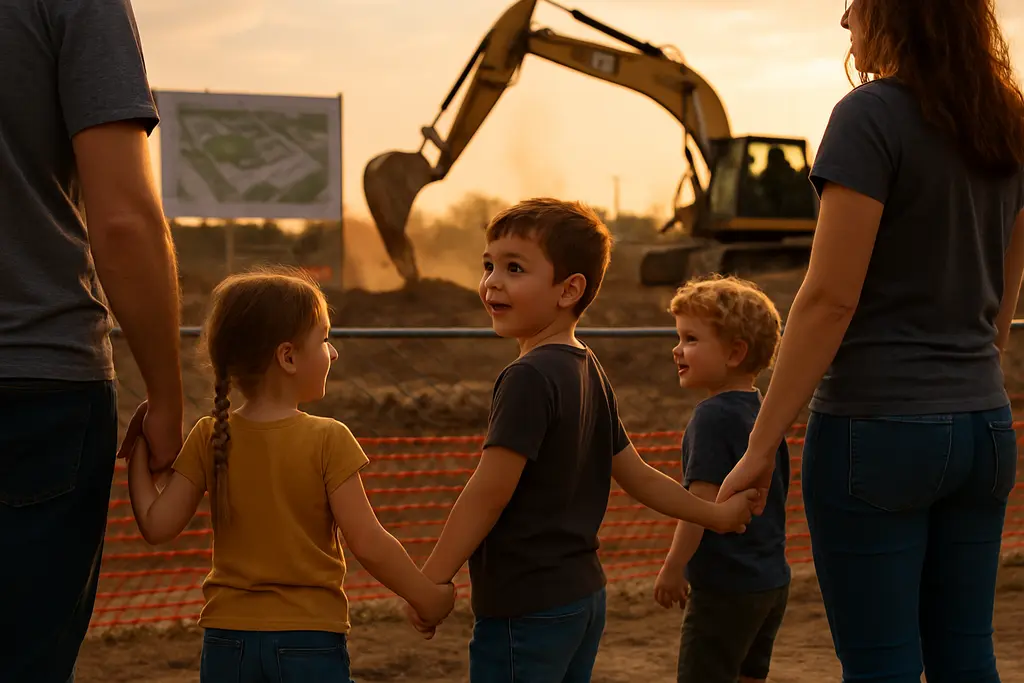
Staybolt Street engagement matters because Mansfield’s planned entertainment district is not only a construction project; it is tied to how families, athletes, coaches, and local businesses experience sports in the city. Available project information describes Staybolt District as a $2.5 billion mixed-use development on about 100 acres near Texas 360, with a 7,500-seat multi-sport stadium projected for 2026. As of October 10, 2026, the research provided does not confirm whether that stadium has opened, so the safest reading is that the opening status needs local confirmation before families plan around it.
For a sports community, the construction phase is where trust is either built or strained. Parents want to know how traffic will affect practices. Coaches want clear access information for games and events. Youth athletes want safe routes near active work areas. Local businesses want to prepare for crowds without being surprised by road changes. Strong technical skills can turn a large project into a process residents can follow, question, and understand.
Why Staybolt Street Engagement Matters To Sports Families
The Staybolt Street project sits at the intersection of sports, civic planning, and neighborhood change. A 7,500-seat multi-sport stadium can affect school programs, club events, tournament planning, and weekend traffic patterns. That does not mean every impact will be negative. It does mean communication has to be steady, plain, and easy to use.
Sports Access Starts Before Opening Day
Families often judge a venue long before the first kickoff, first pitch, or first tournament session. They judge it by how easy it is to reach, whether parking instructions are clear, how safe the surrounding streets feel, and whether they heard about road changes before leaving home. During construction, those details are not minor. They shape whether parents feel confident bringing younger athletes through an active district.
Mansfield City Council authorized a Public Improvement District for the project on February 24, 2025, according to the research supplied. The notes also state that the PID was tied to funding public infrastructure and amenities. That makes engagement even more relevant for residents, because public improvements should be explained in a way that connects dollars, timelines, access, and community benefit.
Staybolt Street Engagement Should Include The Sidelines
Staybolt Street engagement should reach more than property owners and city insiders. For a sports-centered district, the “sidelines” include youth leagues, school athletic families, visiting teams, trainers, officials, marching bands, concession volunteers, and nearby residents who may not attend games but still feel the impact of crowds and construction.
The U.S. Environmental Protection Agency says community work should identify local needs and concerns, including groups that may be affected differently or may need more support to participate, through its guidance on community needs and concerns. For Mansfield, that principle fits practical sports questions: Are updates available in plain language? Are meeting times workable for working parents? Are youth programs hearing the same information that commercial partners receive?
Technical Skills That Keep Residents In The Loop
Community engagement sounds people-focused, and it is. Yet the best engagement during construction relies on technical habits: mapping, scheduling, record-keeping, meeting design, and quick feedback loops. These skills are especially useful for a sports district because game-day movement depends on many small details working together.
Stakeholder Mapping For Teams And Neighborhoods
Stakeholder mapping is the practice of naming who is affected, how they are affected, and what type of contact they need. In Mansfield, that could include nearby households, youth sports organizers, school transportation staff, emergency services, construction teams, city staff, business owners, and families traveling from other towns for events.
This map should be updated as the project moves from street work to venue preparation to event operations. A family whose main concern is access to weekend soccer may not need the same level of detail as a business owner facing frontage impacts. Still, both deserve updates that match their concern. Good mapping can also help the city avoid hearing only from the loudest voices while missing families who are busy, newer to the area, or unsure how to speak up.
Public Meetings With A Game-Day Mindset
Public meetings work best when they answer the questions people are already asking at home: What road will be closed? How long will the detour last? Where will buses go? Will dust or noise affect nearby activities? Who do we contact if an access point changes?
A sports-first meeting format could include short construction updates, a map-based traffic review, a youth sports access segment, and a clear record of what comments changed or clarified. If a meeting took place near a major project milestone, the notes should be posted soon after. The research also referenced an August 10, 2026, TIRZ #4 Board meeting tied to ongoing land deal discussions. Since that meeting occurred before October 10, 2026, any recap should use past tense and explain what was decided, if a verified public record is available.
- Plain-language notices: Use short sentences, clear dates, and named streets instead of construction shorthand.
- Accessible meetings: Plan for audio, seating, translation needs, and clear visual displays.
- Feedback tracking: Show what residents asked, what staff answered, and what remains open.
- Sports-specific alerts: Flag changes that could affect practices, tournaments, drop-off zones, and visiting teams.
Families do not need every engineering detail. They need the right detail at the right time, written in a way they can act on before loading players, equipment, and siblings into the car.
Construction Data Fans Can Understand

Technical data should not sit in a file where only engineers can use it. During a large entertainment district build, maps and records can help residents see what is happening without guessing. That is especially useful for tournament weekends, school events, and venue access planning.
Maps That Explain Routes And Impacts
GIS and spatial data tools can show street closures, sidewalk changes, parking shifts, utility work areas, and future public spaces. For sports families, an interactive map is more useful than a long memo if it answers one simple question: “How do I get there safely?”
Maps should be dated, mobile-friendly, and easy to print. If a route changes for two weeks, the map should say that. If a sidewalk near a practice area is closed, the alternate path should be clear. Color-coded work zones can help, but the language below the map matters just as much. A parent should not need planning experience to understand it.
Digital Records Build Accountability
Digital as-builts can help track what was constructed compared with what was designed. The Federal Highway Administration describes digital as-builts as tools that support digital project delivery and improve the transfer of construction records into asset management through its digital as-builts overview. For a district with roads, utilities, public spaces, and a stadium setting, that kind of record-keeping can help future maintenance teams know what is underground, what changed, and where repairs may be needed.
Residents may never open a technical as-built file, but they benefit when the records are accurate. Better records can support faster fixes, clearer responsibility, and cleaner handoffs after construction. For sports users, that can affect basics such as lighting, drainage, pedestrian access, and event-day traffic flow.
The research noted a contract package for South Campus Part A, described as a bridge over a North Mountain Creek tributary, and Part B, Heritage Parkway South, with a bid estimate of $16.6 million and an August 8, 2025, bid date. Since that date has passed, public communication should treat it as a past procurement milestone, not a future bid opportunity. Residents deserve updated status language that says whether work was awarded, delayed, modified, or completed if verified records support that information.
What Staybolt Street Engagement Means For Mansfield Sports
Staybolt Street engagement should help Mansfield prepare for a district that could affect how local athletes train, compete, and gather. The stadium piece matters, but so do the streets, bridges, signs, sidewalks, parking patterns, and meeting habits around it. A sports venue is only as useful as the access network that gets families there safely.
There is also a community identity piece. Staybolt branding and wayfinding were described in the research as part of environmental graphic design work intended to connect architecture, landscape features, and signage. For athletes and families, wayfinding is not decoration. It can reduce stress on busy event days, help visiting teams find entrances, and make the district feel organized rather than confusing.
This is where Mansfield can borrow a lesson from other local sports infrastructure conversations. Stadium upgrades are not only about concrete and steel; they are about usability for the people who fill the stands and fields. That same point shows up in local facility discussions such as Thorne Stadium replacement skills, where technical planning connects directly to safer, more usable school sports spaces.
The next practical measure is not hype. It is consistency. If families can find current maps, plain construction updates, meeting recaps, and contact points, they can adjust. If coaches receive enough lead time on access changes, they can plan practices and communicate with parents. If local businesses understand traffic windows, they can staff and prepare for event crowds. If residents see their concerns recorded and answered, trust has a better chance to hold through noise, dust, detours, and schedule shifts.
For Mansfield’s sports community, Staybolt Street engagement is the bridge between a major development plan and daily family routines. Done well, it can help the city move from construction disruption toward a district that feels usable, understood, and connected to local athletes from the start.