
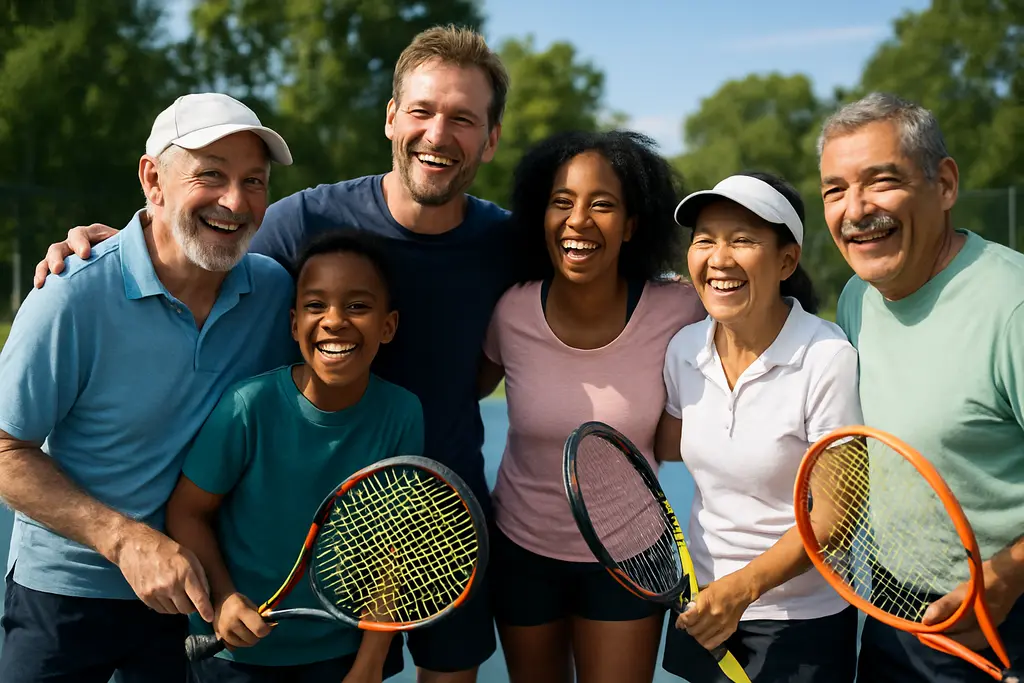
The Racquet Sports Expansion at Horseshoe Bay Resort moved from planning to construction on August 25, 2026, when the resort broke ground on a $10 million project expected to open by summer 2027. The plan includes four padel courts and a 6,690-square-foot indoor/outdoor Racquet Sports Clubhouse, according to the resort announcement resort announcement. As of September 1, 2026, that makes this a project in progress, not a finished venue. For local sports communication, that timing matters: the most useful community story is not just what is being built, but how players, families, coaches, and guests can be brought into the story before the first padel ball is served.
From my view as a sports photography specialist, the strongest sports facilities are the ones that create moments worth sharing: a young athlete reacting after a long rally, a parent filming from the sideline, two doubles partners talking through a point, or a coach setting up a beginner clinic. Racquet sports are especially strong for this because the action is close, fast, and expressive. The planned spaces at Horseshoe Bay Resort give communicators a chance to frame the expansion around people first, not just courts and square footage.
How The Racquet Sports Expansion Builds Community
A Broader Court Mix For More Players
Horseshoe Bay Resort already had a large racquet footprint before this project. The resort offered six hard tennis courts, six red clay tennis courts, and 14 dedicated pickleball courts before adding padel to the mix, as reported in coverage of the project project coverage. That existing base is useful for community engagement because tennis players, pickleball players, and new padel players do not have to be treated as separate audiences. They can be invited into one broader racquet community.
Padel adds a new rhythm. It is doubles-based, social by design, and played in an enclosed court where rebounds are part of the game. For families and youth athletes, that can make the sport feel active and approachable. A child who may not be ready for a full tennis court can still understand the teamwork and quick reactions that make padel fun. A parent who already plays pickleball may be more willing to try a clinic if the message is friendly, simple, and tied to shared time with family.
Social Spaces Matter Between Matches
The clubhouse plan is as central to the community story as the courts. The announced design includes indoor and covered outdoor gathering spaces, a central social lounge, a retail and gear shop, and a 2,632-square-foot covered outdoor lounge. Those details matter because communication does not stop when play pauses. The best local sports storytelling often happens around warmups, post-match reactions, team photos, and casual conversations.
For youth sports, this kind of setting can help families feel connected to the program rather than dropped into a schedule. If clinics, junior play days, or beginner sessions are offered after opening, the lounge and shared spaces could give parents a place to meet, ask questions, and build trust with coaches and staff. That trust is a communication asset. It turns a facility into a repeat gathering point.
Communication Strategy Around The Racquet Sports Expansion
Racquet Sports Expansion Storylines For Families
The Racquet Sports Expansion gives Horseshoe Bay Resort several clear messages to share with local families. The first is access to a wider range of racquet sports. The second is the social value of playing in pairs and small groups. The third is skill development: hand-eye coordination, footwork, communication with a partner, and quick decision-making.
For youth athletes, those skills transfer across sports. A basketball guard learns spacing and reaction time. A baseball or softball player sharpens tracking and first-step movement. A soccer player builds communication under pressure. A strong communications plan should show those links through real images and short stories, not just facility renderings. Parents respond to seeing kids in motion, coaches teaching, and families taking part together.
Photo planning should begin before the clubhouse opens. Groundbreaking images, construction progress, staff preparation, and court surface updates can each serve a purpose if they are accurate and dated. Once the facility opens by summer 2027, the strongest visual assets will likely come from first clinics, first junior sessions, doubles play, and family events. Capturing the peak moment matters: paddle back, eyes locked on the ball, partner ready, sideline reacting. That is the frame that tells the community what the sport feels like.
Message Timing Before Summer 2027
Because the project had only broken ground as of August 25, 2026, messages should avoid sounding as if the new courts are already open. Clear date language protects credibility. Phrases such as “broke ground on August 25, 2026” and “expected to open by summer 2027” set the right expectation. That is especially valuable for families making sports plans, guests considering future trips, and local groups watching for new programming opportunities.
A practical communication calendar could begin with construction updates, then shift toward sport education, then move into program information once details are confirmed. Padel explainers can be short and visual: how doubles spacing works, why the walls are part of play, what beginners should bring, and how scoring compares with other racquet sports. None of that requires hype. It requires clear, useful information that helps people feel ready to step on court.
Why Visual Storytelling Fits Youth Racquet Sports
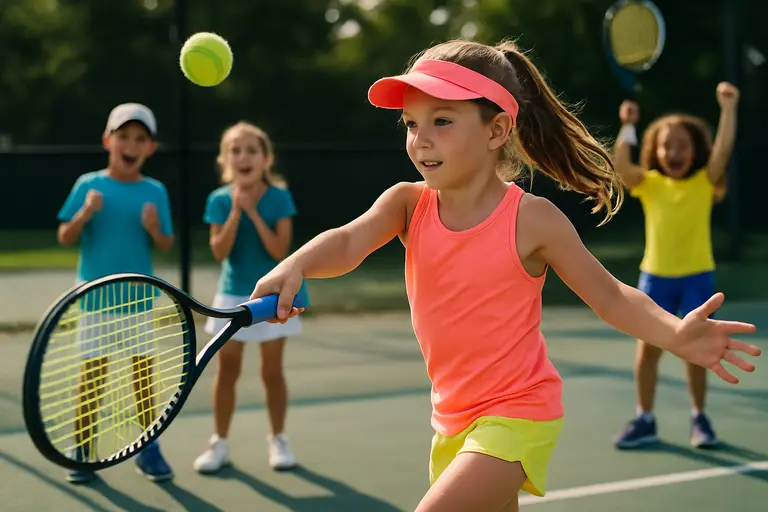
Dynamic Moments Create Shared Identity
Youth sports photography is not only about clean portraits or posed team shots. The emotional value comes from timing: a split step before contact, a young player’s first successful volley, a doubles team tapping paddles after winning a point, or a coach kneeling to explain positioning. Those frames help families remember progress. They also help clubs and resorts communicate values such as effort, welcome, and teamwork.
At a racquet venue, the photographer has several natural storytelling zones. The court captures action. The fence line captures spectators. The lounge captures conversation. The gear area captures preparation. Together, those scenes can show a full sports day rather than a single match. For a new facility, that matters because people who have never played padel may need to see the experience before they can picture themselves taking part.
Responsible Content Builds Trust
Any youth-focused communication plan should also be careful with consent, privacy, and accuracy. If children are photographed during clinics or events, families should know how the images may be used. Captions should identify events accurately and avoid claims that cannot be verified. If a player is shown learning padel for the first time, say that plainly. If a photo is from a planned preview session, do not present it as regular programming unless that programming has been confirmed.
That type of care may sound basic, but it is often what separates strong community communication from empty promotion. Families want to know that a sports organization values the people in the images as much as the image itself. For Horseshoe Bay Resort, careful photography and clear messaging can help the new racquet venue feel open, organized, and connected to the wider sports community.
What Horseshoe Bay Racquet Sports Means For Community Communication
Handled well, the Racquet Sports Expansion can become more than a construction update. It can be a yearlong communication opportunity that introduces padel, connects tennis and pickleball players, and gives youth athletes another way to build movement skills in a social setting. The facts already give the story a strong base: a $10 million project, four planned padel courts, a sizeable clubhouse, and a summer 2027 target opening.
The next step is message discipline. Use exact dates. Separate completed milestones from future plans. Show real players and real moments when they are available. Give families practical information before asking them to care. Most of all, keep the focus on the community that will use the space. Courts are the infrastructure, but the lasting story will be the rallies, coaching conversations, family photos, and local connections that form around them.