
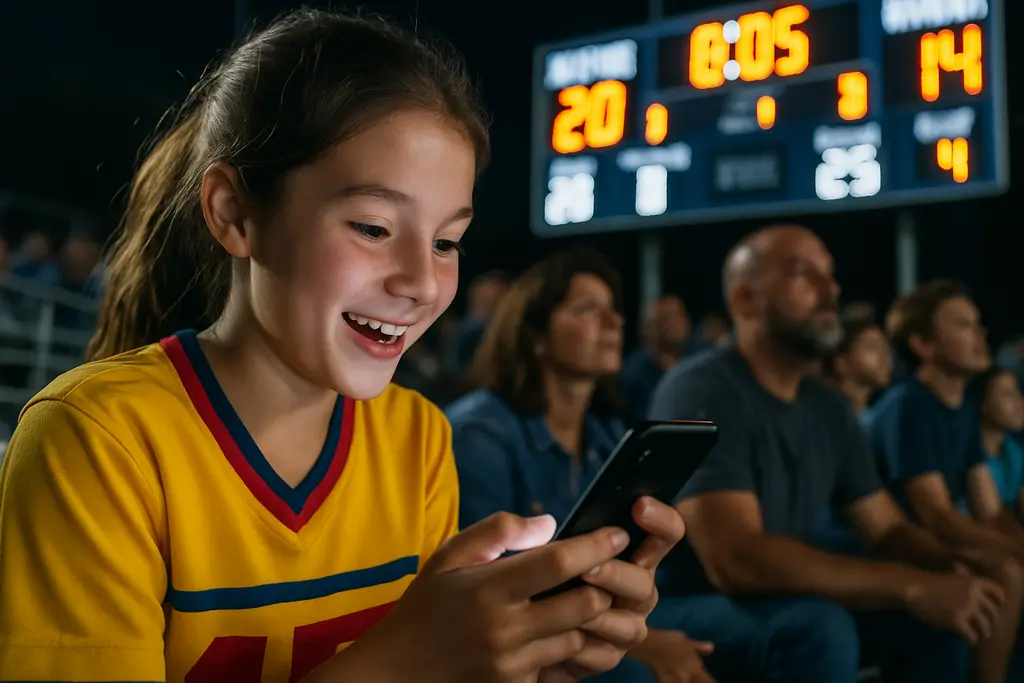
Fan experience technology now affects far more than a scoreboard or a phone scan at the gate. For parents, young athletes, coaches, and local sports volunteers, the same ideas showing up in pro venues can shape how families enter a facility, find their seats, buy food, follow replays, share highlights, and stay connected during a long game day.
The best lesson from recent venue upgrades is not that every school, club, or community complex needs the newest system. The lesson is that technology works best when it solves real game-day problems. Long lines, unclear announcements, weak cell service, hard-to-read boards, and slow concessions can wear down families before the main event even starts. Better planning can make a stadium feel calmer, safer, and easier to enjoy.
What Fan Experience Technology Changes On Game Day
Fan Experience Technology Starts At The Gate
Ticketing is often the first pressure point. On May 20, 2025, Ticketmaster’s 2025 Nexus State of Ticketing report found that mobile ticketing adoption grew by 53% year-over-year across global sports leagues, while biometric venue entry doubled year-over-year Ticketmaster report. Those numbers point to a clear shift: many venues are trying to reduce friction before fans reach their seats.
For families, mobile ticketing can make group travel easier when tickets are shared ahead of time and phones are charged before arrival. It can also create new stress if grandparents, young siblings, or traveling teams are not comfortable using apps. A youth tournament director can learn from the pro model without copying every feature. Clear entry instructions, backup help at the gate, visible support staff, and a plan for low-battery phones can matter as much as the ticket platform itself.
Biometric entry is a bigger step because it touches identity, privacy, and trust. The research shows growth in that area, but local sports leaders should treat it carefully. Families need to know what data is collected, how it is used, and whether a standard entry option remains available. Good game-day operations should keep families moving while respecting comfort levels.
Connectivity, Boards, And Clear Communication
Why WiFi And Mobile Access Matter
Reliable connectivity is no longer just a convenience for fans posting photos. Parents use phones to coordinate rides, check schedules, follow weather updates, contact coaches, access digital tickets, and share clips with relatives who could not attend. Coaches and event staff may also use connected devices for timing, scoring, registration, and emergency communication.
Recent 2026 examples in the research show larger venues investing in high-capacity WiFi and private wireless systems to support dense crowds. Those projects were designed for major arenas and stadiums, but the principle travels well to local sports: know where people gather, test the signal there, and fix the most common dead zones first. Entry gates, concession lines, team check-in tables, press boxes, and family seating areas usually need the most attention.
For community programs, that may mean placing routers more thoughtfully, creating a staff-only network for operations, or using a local provider to test coverage before a large tournament. If a venue streams games for out-of-town relatives or college coaches, connectivity becomes part of the event product. Our related piece on local sports streaming covers how fan-first systems can support community games without losing sight of the people in the stands.
Video Boards And Audio Shape The Crowd
Scoreboards, ribbon boards, and sound systems do more than entertain. They tell fans where to look, when to stand, what just happened, and what comes next. At Oriole Park at Camden Yards, upgrades announced on March 24, 2026, for the 2026 MLB season included a center-field videoboard about 2.5 times larger with 16.7 million pixels, ribbon boards, an improved sound system, renovated amenities, and a broader array of ticketing options Orioles announcement.
That type of project shows how visuals, audio, amenities, and ticketing fit together. A bigger board can help fans see replays and lineups, but it only helps if the content is useful and the audio is clear. Families at a youth event need the same basics in a smaller package: readable scores, accurate clocks, clear public-address messages, and announcements that can be heard without overwhelming young children or older fans.
Local venues should think about communication as a full system. If a storm delay, field change, or medical issue occurs, the scoreboard, PA system, website, social channels, and staff instructions should match. Mixed messages create confusion. Consistent messages build trust.
Concessions, Access, And Family Comfort
Shorter Lines Keep Families Engaged
Concession technology gets attention because it can shorten wait times, but its real value is keeping fans connected to the game. A parent standing in line for a full inning or an entire quarter misses the reason the family came. Mobile ordering, self-service kiosks, and faster payment tools can help, especially at venues with predictable rushes before the game and at halftime.
The research notes from 2025 and 2026 show growing interest in cashier-less concessions and computer-vision assisted kiosks at larger venues. Local programs do not need to start there. A simpler step is to post menus before families reach the counter, create separate pickup and order lines, accept common digital payment methods, and keep a cash option where needed. Good signage can be a form of fan experience technology when it reduces questions and speeds service.
Accessibility Should Guide Every Upgrade
Technology should help more people take part in the game-day experience. Accessibility-focused tools in the research included devices and tactile systems designed to support fans with sensory impairments at live events. Even when a local facility cannot afford advanced systems, it can apply the same mindset.
That means providing clear paths for wheelchairs and strollers, keeping public announcements understandable, offering quiet areas where possible, making digital information readable on mobile devices, and training volunteers to help families find what they need. The strongest venues do not treat accessibility as a side project. They build it into entry, seating, concessions, restrooms, communication, and emergency plans.
Practical Steps For Local Sports Programs
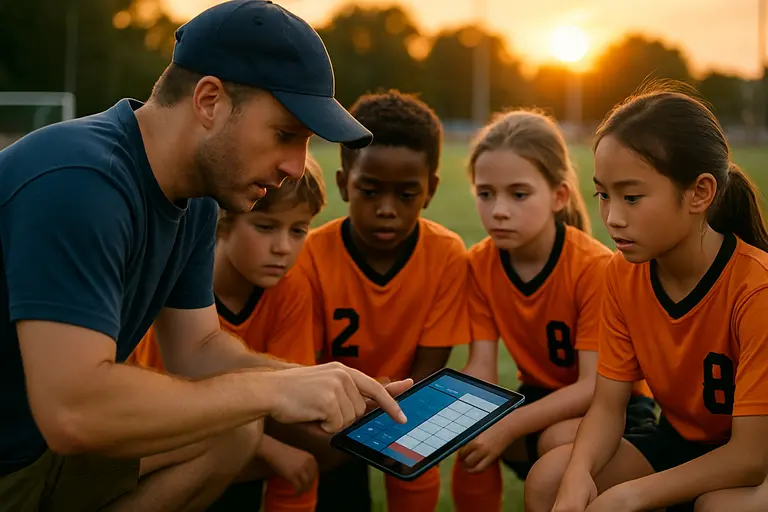
Parents and athletes often feel the impact of game-day systems before administrators hear formal feedback. A youth baseball tournament, high school playoff match, or club soccer event can improve quickly if leaders ask families where the friction starts. Technology should answer those pain points rather than add another task.
- Test before the crowd arrives: Walk the venue with a phone, check ticket scans, test WiFi, and listen to announcements from different seating areas.
- Protect the basics: Keep entry support, paper backup lists, visible signage, and staffed help points ready even if digital tools are in place.
- Plan for families: Share parking, gate, bag, weather, and schedule details early so parents are not searching for answers at arrival.
- Use screens with purpose: Prioritize scores, clocks, athlete names, field changes, safety updates, and sponsor messages that support the event.
- Review after each event: Ask what slowed people down, what worked, and what should be fixed before the next game day.
These steps are not expensive compared with major stadium projects, but they require coordination. Athletic directors, booster clubs, venue managers, coaches, and volunteers should be part of the same plan. A technology upgrade can fail if staff are not trained. A simple system can succeed if everyone knows how it supports the fan.
What Fan Experience Technology Means For Local Game Days
Fan experience technology is best understood as a set of tools that helps people enjoy the sport with less friction. The pro examples from 2025 and 2026 show momentum in mobile ticketing, upgraded boards, stronger connectivity, sound improvements, and faster service. Local programs can take the most useful lessons and scale them to their own crowds, budgets, and facilities.
For young athletes, better game-day systems can mean bigger crowds that stay engaged longer. For parents, it can mean less time troubleshooting tickets, parking, food, and schedules. For coaches and event staff, it can mean fewer interruptions and clearer communication. For local businesses and booster groups, a smoother event can keep families on site and make sponsors easier to see and hear.
The goal is not technology for its own sake. The goal is a game day where the action on the field, court, rink, or diamond stays at the center. When digital tools help families arrive with confidence, follow the game clearly, and support athletes comfortably, they become part of a healthier local sports experience.