
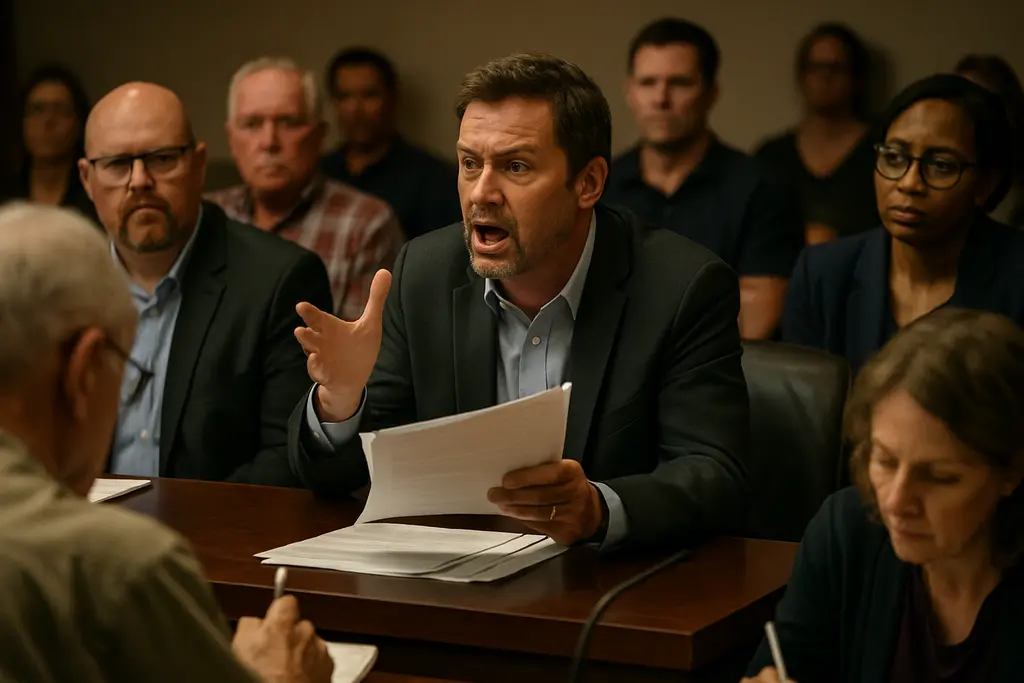
As of October 22, 2026, the Copperas Cove Sports Complex proposal remains a local sports infrastructure issue with legal, ethical, and community planning questions attached. On July 7, 2026, the Copperas Cove City Council reviewed a feasibility study by Sports Facilities Companies for a proposed outdoor sports complex with an estimated development cost of $42 million to $52 million. The study described a project that would need about 63 acres, could aim for tournament tourism, and was projected in the research notes to generate about $38 million in economic impact. The available mid-2026 notes did not identify an official site.
That status matters for athletes, parents, coaches, nearby property owners, and local businesses. A sports complex can support league play, regional tournaments, training access, and weekend visitor spending. It can also raise hard questions about zoning, land acquisition, public cost, safety duties, and fair field use. This is community planning analysis, not legal advice, but the legal framework should be part of the public sports conversation before a site is chosen or construction plans advance.
Copperas Cove Sports Complex Legal Ground Rules
Why Copperas Cove Sports Complex Review Starts Early
Large sports projects often begin as feasibility work, but legal duties do not wait until dirt moves. The early stage sets expectations for what the project is, who it serves, how much land it needs, and whether public tools may be used. For the Copperas Cove Sports Complex, the reported cost range and acreage estimate place the proposal in a category that affects more than game schedules. It touches transportation planning, neighborhood compatibility, drainage, parking, utilities, and public access.
The first ethical issue is clarity. Local families should be able to understand whether the project is primarily a tournament hub, a community recreation asset, or a mix of both. The research notes describe a goal of drawing tournaments and tourism while also serving local needs. Those two goals can work together, but they can also compete for field time if the operating rules are not clear. Youth leagues, school-adjacent programs, club teams, and casual public users may view the project differently than weekend tournament organizers.
What The Feasibility Numbers Can And Cannot Prove
A feasibility study can estimate development cost, land needs, and possible economic impact. It does not settle legal authority, property acquisition, or final public benefit. The $42 million to $52 million range gives residents a starting point for public cost discussions. The 63-acre estimate helps explain why site selection is sensitive. The projected $38 million economic impact gives local officials and residents a reason to study tournament tourism, hotel activity, restaurant traffic, and sports-related spending.
Still, public trust depends on how those numbers are tested. A responsible sports-first review should ask which teams and families benefit on weeknights, which events might fill weekends, and whether user fees could block access for lower-income athletes. Legal compliance is the floor. Ethical sports planning asks whether the final venue serves the full community, not just the most organized or best-funded programs.
Zoning, Permits, And Public Review
Site Plan Review Before Building Permits
Under the research notes, Copperas Cove zoning treats outdoor recreation uses, including stadiums and outdoor athletic facilities, as defined primary uses that are subject to permitted, conditional, or limited-use rules depending on the zoning district. That means the selected site would shape the legal path. A location that fits one district may require a different level of approval in another.
The city’s building process is also a key checkpoint. Copperas Cove states that projects requiring site plan review go through the Development Review Committee, and building permits cannot be issued without site plan approval, according to the city’s Building Department. For residents, that process is where technical questions become public-facing issues: access drives, emergency routes, lighting, stormwater management, parking demand, and how the venue sits next to homes, schools, or businesses.
Why Zoning Is A Sports Access Issue
Zoning can sound like paperwork, but it shapes the fan and athlete experience. A complex far from core neighborhoods may reduce walk-up use and increase transportation burdens. A site near housing may raise noise, lighting, and traffic concerns. A site closer to lodging and major roads may help tournaments, but it may not be the easiest option for weekday youth practices.
This is where local sports communication matters. Coaches and league directors can help translate planning terms into real scheduling needs: field dimensions, warm-up space, safe drop-off areas, restroom access, and lighting windows for evening play. Parents can explain how travel time affects participation. Small businesses can describe tournament-day staffing and inventory needs. Those voices help make legal review more grounded in actual use.
Eminent Domain And Property Rights
Public Venue Powers Under Texas Law
One of the most sensitive legal questions is land acquisition. The research notes state that, under Texas Local Government Code Chapter 334, a sports and community venue project that becomes a public venue could allow eminent domain powers for acquiring land. The statute addresses sports and community venue projects and public venue authority in Texas Local Government Code Chapter 334. That does not mean eminent domain will be used in Copperas Cove. It means residents should understand the legal tool before a site is selected.
The available notes also identify state-law protections around public use and just compensation. They describe requirements tied to public meetings, record votes, initial offers that include appraisals, and hearings before special commissioners who assess damages after proceedings are filed. Those steps matter because property rights are not a side issue. If a public sports project affects landowners, the process must be transparent, documented, and tied to lawful public use.
Ethical Limits Beyond Legal Authority
Even if a city has a legal path, ethical questions remain. Is the proposed use clearly public? Are landowners given timely information? Has the city compared multiple site options? Are displacement concerns weighed against tournament revenue and recreation benefits? Public officials may have to balance community sports needs against the rights of individual property owners.
The research notes also point to restrictions in Texas Government Code Chapter 2206 related to eminent domain for certain private-benefit purposes. That issue is especially relevant if any future operating model gives private users favored control over publicly supported fields. A sports venue can welcome tournament operators and still maintain public accountability, but the agreements need to match the public purpose.
Liability, Access, And Youth Sports Ethics

Injury Risk And Official Protections
Sports facilities carry risk. The research notes state that Texas Civil Practice and Remedies Code Chapter 94 generally provides immunity from liability for sports officials and sponsoring organizations for injuries in athletic competitions, except in cases of gross negligence or willful misconduct. For a future complex, that kind of protection could apply to some activities, but it should not be treated as a substitute for safe operations.
Local families will still expect safe surfaces, clear emergency access, trained supervision, weather policies, and fair communication after incidents. A legal shield for officials or sponsoring organizations does not erase the need for careful scheduling, equipment checks, and venue rules that parents can understand. The strongest community sports venues make safety expectations visible before problems occur.
Fair Field Use For Local Athletes
The ethical value of the project will depend on access. A regional tournament hub can bring visitors into town, yet local athletes need reliable practice and game windows. If weekend events dominate the calendar, city leaders may need written policies that protect youth leagues, adaptive programs, school-age athletes, and recreational users.
- Public scheduling: field calendars should show how local leagues, tournaments, and open-use periods are balanced.
- Fee clarity: rental rates should be easy to find and should not surprise families late in the season.
- Safety standards: venue rules should explain weather delays, emergency response, and supervision expectations.
- Community reporting: residents should be able to compare promised economic and recreation benefits with actual use after opening.
Other Texas communities have faced similar questions about public trust, youth access, and sports infrastructure. For a related ethics angle, our coverage of Aubrey sports complex planning shows how access rules can shape whether a venue truly serves young athletes.
Why Copperas Cove Sports Complex Decisions Matter
The Copperas Cove Sports Complex proposal is not just a construction idea. It is a test of how a community connects sports growth with legal process, property rights, youth development, and public trust. The July 7, 2026 council review moved the concept into wider public discussion, but the most important decisions would come through site selection, zoning review, possible land acquisition, funding choices, operating agreements, and long-term scheduling rules.
For local athletes, the promise is more field time, stronger tournament exposure, and a venue that can support player development close to home. For families, the questions are cost, access, safety, and whether the complex would serve Copperas Cove residents outside tournament weekends. For businesses, the value depends on whether visitor spending is steady enough to support staffing and inventory decisions. For property owners, the issue is whether any land process stays lawful, fair, and open to scrutiny.
The best path is a sports-first public record that connects every legal step to actual community use. Residents should expect clear site information, plain-language explanations of zoning and permitting, careful treatment of property rights, and operating policies that keep local youth sports at the center of the conversation. If the proposal advances, those details will decide whether the project becomes a trusted civic asset or a source of avoidable conflict.