

Ever tried taking that perfect shot only to wonder if you’re about to become a legal case study? Welcome to photography’s version of real estate limbo.
Some places feel like your best friend’s couch – open and welcoming. These public venues let your creativity run wild without needing permission.
Then there’s the private property realm. It’s like your mother-in-law’s antique collection – you can look but must get permission to touch.
The real headache starts with architectural mullets. Fire stations, sports arenas, and civic centers that blur the lines between accessible and restricted. They’re like philosophical puzzles with concrete foundations.
These hybrid spaces operate in legal gray zones that would make Schrödinger’s cat nervous. Understanding these boundaries separates professional photographers from accidental trespassers.
Rights & Restrictions by Location
Welcome to the legal obstacle course where your camera’s capabilities meet society’s limitations. The First Amendment protects photography in public spaces, but it’s not a free pass. It’s more complex than a Wes Anderson color palette.
Public spaces might seem free, but they have invisible fences. Setting up a tripod in a national park without a permit shows that nature has its rules. Street photography is usually okay, but if your lens makes people uncomfortable, you’re in a gray area.
Private venues have their own rules. That concert ticket you bought means you agreed to certain photography restrictions. Stadiums often limit lens length, which can be tough for wildlife photographers.
Special locations need special care:
- Schools and universities often require background checks for any photography involving minors
- Government buildings balance security concerns with public access rights
- Business establishments can set their own rules while you’re on their property
- Transportation hubs have evolving security protocols that change with threat levels
The difference between public versus private space is key. On public sidewalks, you have more freedom. But inside a shopping mall or corporate campus, you must follow their rules.
Commercial photography adds complexity. Shooting for personal use has different rules than for profit. Many places require permits and insurance for professional shoots, making your session a paperwork marathon.
Understanding photography law means context is as important as content. The same shot can be legal on a public street but not in a private venue. It’s more about where you’re shooting than what you’re shooting.
The key is knowing photography rights exist on a spectrum, not as absolute permissions. Your best defense against restrictions? Research venues, read terms of service, and have a backup plan. In the world of photography law, the most important shot might be the one you didn’t take.
Working with Facility Owners
Getting facility owners to let you take photos is like convincing a dragon to share its treasure. It needs the right approach. Public venues offer great chances for unique photos, but getting access is not easy.
The first rule of photography in public places is clear: get everything in writing. Verbal agreements vanish quickly. I’ve seen projects fail because of misunderstandings, not technical issues.
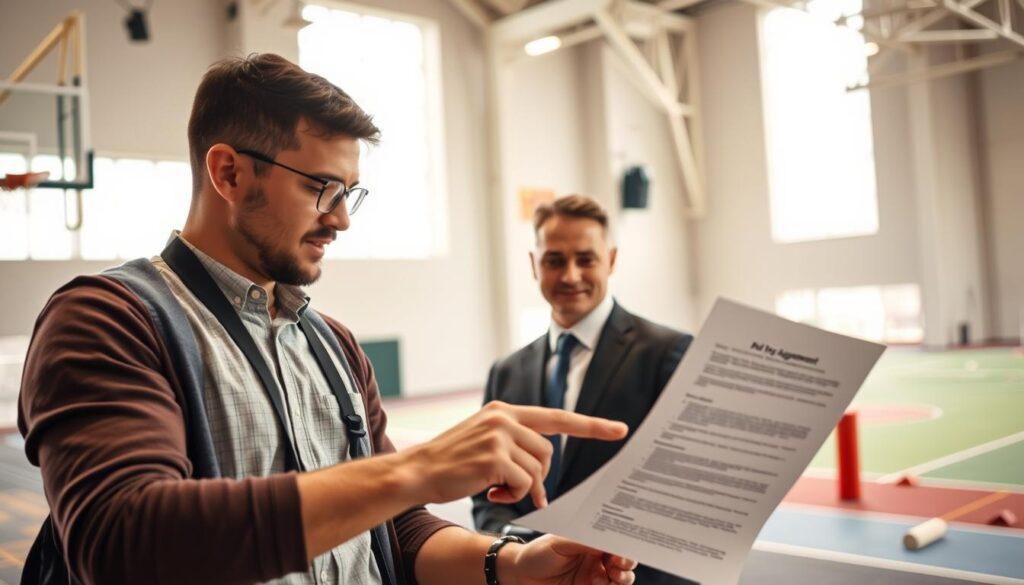
Most public places have strict photography rules. They’ve dealt with requests for years. Your job is to work within these rules well.
What makes some photographers succeed while others fail? Here are the key differences:
- Research policies before you even make contact
- Approach facility management with respect for their rules
- Be prepared to adapt your standard agreement to their requirements
- Follow their regulations like you’re defusing a bomb
Negotiating contracts needs finesse. It’s not just about getting permission. It’s about building a relationship. Think of it as a first date where you need to prove you won’t cause trouble.
Many photographers don’t realize how important facility management agreements are. These documents protect both sides and ensure everyone knows the rules.
| Agreement Type | Best For | Key Considerations | Risk Level |
|---|---|---|---|
| Standard Permission Slip | Quick shoots, low-impact projects | Time limits, specific areas | Low |
| Full Facility Agreement | Commercial projects, large teams | Insurance requirements, liability | Medium |
| Exclusive Access Contract | High-profile locations, film projects | Security, compensation, exclusivity | High |
| Recurring Access Agreement | Ongoing projects, series work | Scheduling, renewal terms, pricing | Medium-High |
Being the photographer who causes trouble can ruin your relationship with facility owners. Follow the rules and respect the space. Most managers will be cooperative.
The best agreements are ones where everyone benefits. The facility gets great photos, you get amazing locations, and no one gets in trouble. That’s when magic happens in public venues photography.
Handling Gray Areas
Welcome to photography’s legal twilight zone. Here, the rules are unclear, and common sense often fights with red tape. This area tests even the most experienced photographers, making them navigate unclear waters.
For example, is a high school football field public or private property? The answer varies based on your role. Whether you’re a pro hired by the school, a parent with a camera, or a student journalist, each role has its own legal rules.
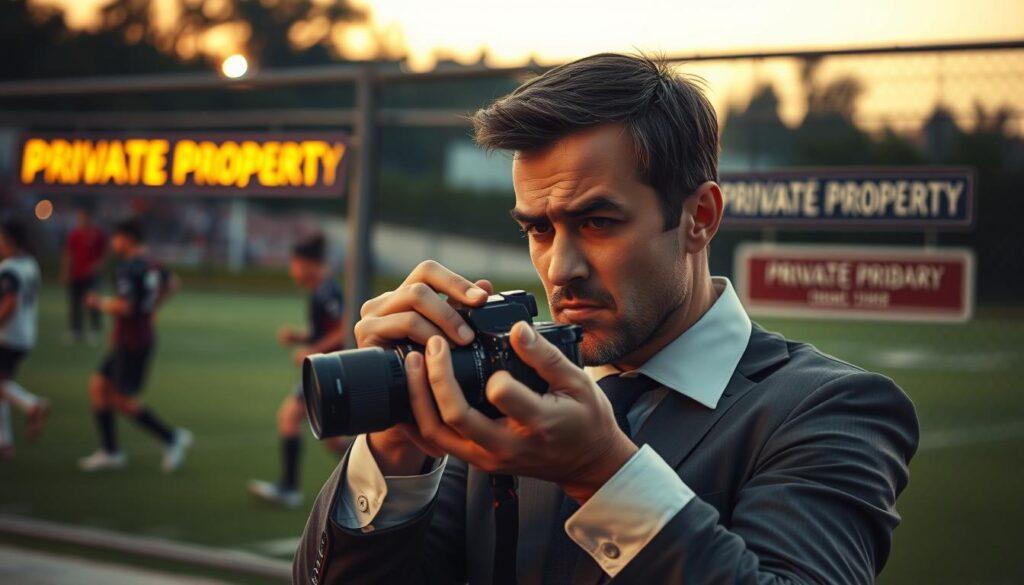
Schools treat their images as valuable intellectual property. They have strict photography policies, making it feel like a Secret Service operation. Visitor badges, background checks, and signed releases are common.
Photographing minors adds more complexity. Laws in some states make it like walking through a legal minefield. You might need written permission to take photos in what seems like public space.
There’s also the question of who owns photos taken with school cameras. It’s like wondering if Starbucks owns your latte art Instagram. These situations need both detective work and legal knowledge.
Always think you need clear permission for photos on private property, even if it seems public. When unsure, keep records of your permissions. Remember, context is more important than location in these gray areas.
Case Law and Practical Examples
Let’s look at real-life photography law cases. Imagine you’re shooting a high school football game for The New York Times. You face many legal hurdles in public venues.
Is your shot exclusive? Did the school get model releases from parents? What if a student’s family doesn’t want photos? Questions about who owns the photos can also come up, like if school equipment is used.
Schools have rules like fingerprinting and photo limits. Places like stadiums add their own legal challenges. The Associated Press often faces these issues when covering school events.
Understanding photography law is key. Public places require careful handling of rights and rules. It’s wise for photographers to seek legal advice before shooting.
Real-life examples show the importance of being prepared. Your best defense is knowing the law and respecting the rules of public venues.