
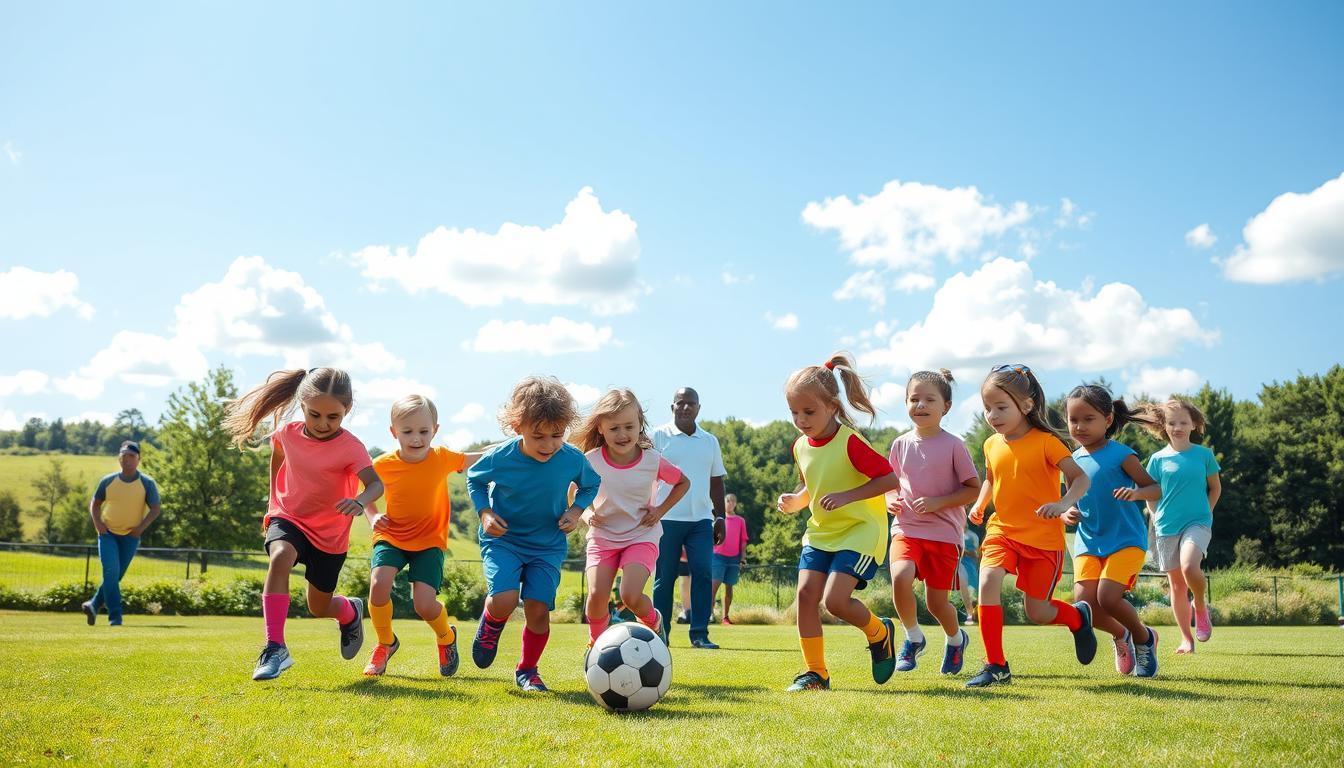
We’ve all become accidental paparazzi in the digital age, haven’t we? That perfect soccer goal or championship moment deserves celebration. But who actually owns that frozen moment in time? It’s a question that comes up more often than you’d think, especially as sports conversations—from youth leagues to Florida sports betting—continue to evolve.
Sports organizations want to promote their programs. Parents naturally want to share achievements. But here’s the intellectual rub: between Instagram oversharing and possible bad actors, and even the broader sports conversation—we need more than crossed fingers protecting kids’ digital footprints.
The Child Protection in Sport Unit isn’t trying to be the fun police. They advocate for appropriate safeguards instead of banning photography altogether. It’s about finding that sweet spot between celebration and surveillance state.
This isn’t just about legal technicalities – it’s about protecting your child’s image and personal information. Because in today’s world, that winning goal exists forever in digital perpetuity.
Laws Affecting Minors’ Photos
Privacy laws and youth protection statutes mix together like a legal puzzle. It’s like watching bumper cars, but with more paperwork. The rules for minors’ photos are complex, making lawyers reach for aspirin.
Imagine a three-layer cake of laws: federal, state, and organizational. At the top, COPPA acts like a digital bouncer. Privacy laws create a maze that’s hard to navigate.

State laws add more complexity. California’s rules differ from New York’s, and Texas’s are different too. Some states need explicit consent for photos, while others use implied consent.
Many organizations don’t know they’re taking legal risks. A simple team photo can lead to big legal issues. It’s like a digital trail that Sherlock Holmes would notice.
Parental rights are key in these laws. Both parents and guardians decide how photos are used. This sounds simple but can be very complex, like a soccer team with many families.
Organizations must be careful with these laws. They need to train staff well to avoid legal problems. Taking photos of minors is more complex than taking photos of adults.
The rules involve three main areas:
- Getting clear consent for photos
- Limiting how photos are used
- Keeping photos safe and secure
Understanding consent for photography is very important for minors. It’s about privacy and safety. It’s the difference between a simple photo and a legal agreement.
| Legal Level | Key Considerations | Common Pitfalls | Protection Focus |
|---|---|---|---|
| Federal Regulations | COPPA compliance, digital privacy | Assuming one-size-fits-all rules | Online identity protection |
| State Statutes | Consent requirements, usage limitations | Ignoring cross-state differences | Physical safety concerns |
| Organizational Policies | Internal protocols, staff training | Inconsistent implementation | Reputation management |
| Parental Rights | Decision-making authority, revocation rights | Assuming blanket consent applies | Family privacy protection |
Protecting minors in photos is not about banning cameras. It’s about celebrating while following the law. It’s like driving: we all need to follow the rules to stay safe.
Remember, when taking photos of minors, the most important thing is the legal lens. It’s not just about the camera lens.
Safeguarding Young Athletes
Sports photography for kids isn’t about banning cameras. It’s about smart risk management and clever framing. It’s like digital Kevlar, invisible protection that lets talent shine while keeping vulnerabilities safe.
Why does a gymnastics shot need full-body exposure when a close-up of the apparatus works just as well? The magic is in what you choose not to show. This turns sports photography into thoughtful storytelling.
Getting permission is as important as setting the right camera settings. Only trained, vetted photographers should take pictures of young athletes. They understand they’re handling trust, not just equipment. They know different sports have different risks, like dressing differently for swimming versus chess.
Choosing what to show is key. Images should show achievement while respecting dignity. This means showing athletes in the right gear, focusing on the sport, not the body. It means action shots that highlight skill, not unnecessary exposure.
Naming practices need to be refined too. Using first names alone can reduce risk without losing recognition. It’s like “show, don’t tell” in photography, where what we don’t show is as important as what we do.
Practical safeguards for youth sports photography include:
- Using images that show children in appropriate athletic attire
- Training authorized photographers on ethical guidelines
- Creating positive representations that focus on skill development
- Tailoring approaches based on sport-specific considerations
- Implementing naming protocols that balance recognition and safety
The goal isn’t to stop sports photography but to make it better. We’re creating visual celebrations that honor achievement and protect the athletes. The best sports photography respects the people creating the moments, not just captures them.
Best Practices for Photo Usage
Let’s face it – hoping nobody misuses kids’ photos is like hoping your teenager will clean their room. It’s not a plan; it’s just hoping. When it comes to image rights for kids, we need strict rules.
The first rule of photo club is clear consent. Not that quick checkbox parents often ignore. We need talks where parents know the digital trail they’re leaving. That cute soccer goal photo? Add a school name and favorite band, and you’ve got a detailed digital file.
CPSU briefings say the key rules are: never post a child’s name with their photo, always get permission, and be clear about how long you’ll keep the photos. Vistasuite adds: remove digital tags and personal info like you’re hiding a witness.
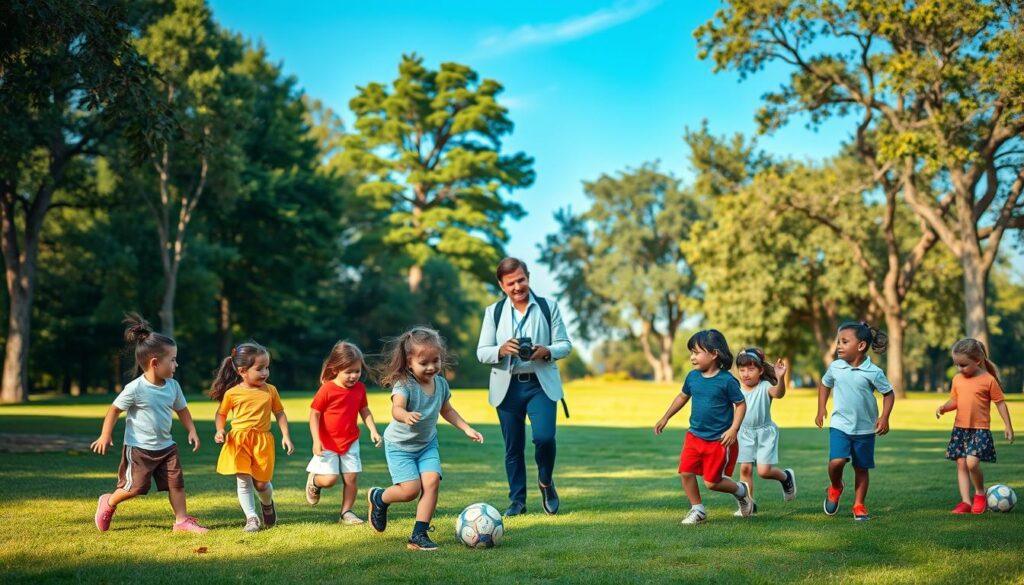
Authorized photographers need to show ID – like press badges, not “Uncle Bob with a camera.” Brief them well on what’s okay to take. And remember, storage needs to be super secure, like Fort Knox. But the real danger isn’t always outsiders. Sometimes, it’s people who mean well but don’t care about data safety.
The best way to handle image rights is to know that who can see these photos matters as much as how they’re stored. Who gets to see them? For how long? Under what conditions? It’s like digital rules for youth sports, and done right, it’s beautiful.
| Scenario | Risk Level | Recommended Protocol | Parental Consent Required |
|---|---|---|---|
| Team website photos | Medium | Generic captions only, no identifiers | Yes – annual blanket consent |
| Social media posts | High | No names/locations, group shots preferred | Yes – specific post approval |
| Press coverage | Variable | Media-trained photographers only | Yes – event-specific consent |
| Internal archives | Low | Encrypted storage, limited access | Yes – storage duration specified |
When setting up image rights rules, remember that context is key. A guide on using children’s images shows that setting matters. What’s right for a yearbook isn’t the same as for ads.
The storage talk needs its own spot. It’s not just about stopping hackers but controlling who sees the photos. Who needs these images? For how long? When do they get deleted? This isn’t being paranoid – it’s knowing digital stuff has a shelf life, and kids’ photos are no exception.
Protecting image rights means treating every photo like it’s top-secret. Because it is – it holds a child’s digital identity, and that’s worth strict rules.
Addressing Complaints and Legal Disputes
Handling complaints about images of minors is like a digital fire drill. You need clear steps, not chaos. Assign a dedicated safeguarding officer. This person becomes your first responder.
Different issues need different solutions. A simple photo mishap might just need a quick takedown. But signs of grooming? That demands immediate police involvement. Your plan must scale.
Parents need to feel heard. Transparency builds trust, even when mistakes happen. Follow your organization’s safeguarding procedures. Inform your sports safeguarding officer and involve Children’s Social Care or Police if needed.
Under COPPA, parents have rights to review, delete, or withdraw consent for their child’s data. Your complaint process must respect these rights. Verify the parent’s identity before taking action.
Keep security tight. Use reasonable procedures to protect the personal information of minors. Retain data only as long as necessary. Dispose of it securely when done.
A solid complaint system isn’t about avoiding problems. It’s about handling them with competence. That’s how you maintain credibility and keep trust intact.