
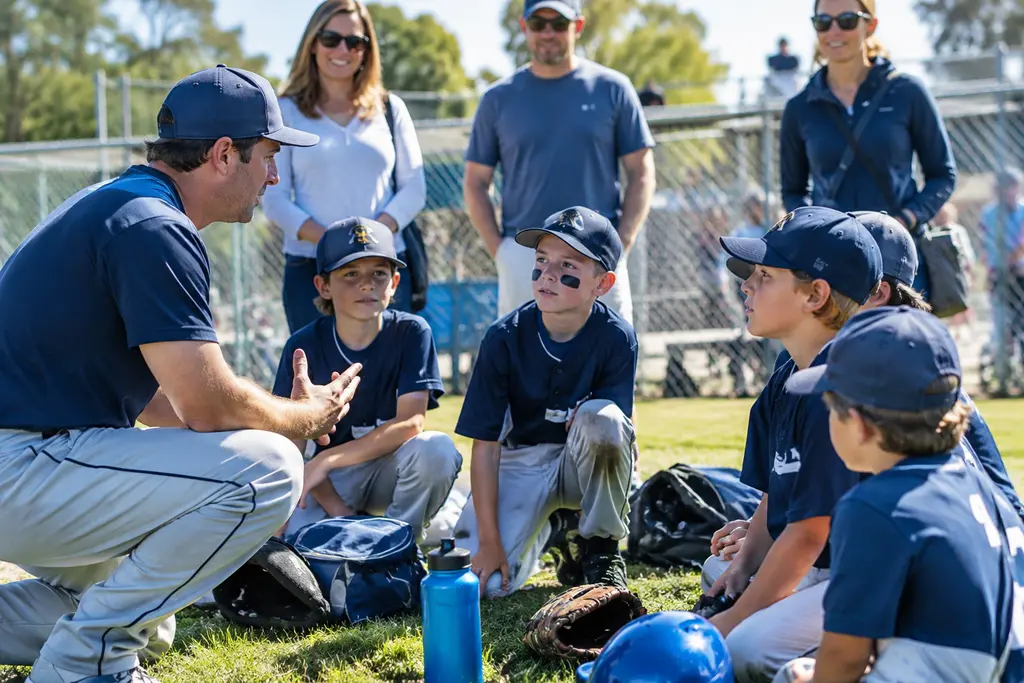
Coach Parent Communication matters even more as RBI Austin’s Youth Development Complex moves from planning into construction. The research notes for this topic report that RBI Austin broke ground in October 2026 on its permanent Youth Development Complex at 7401 Loyola Ln in East Austin, with completion expected in late 2027. The same notes report a 33-acre campus, current service to 1,706 kids, a possible annual reach near 3,400 youth once fully functional, and $7.2 million raised toward a $15.1 million goal as of 2025. Those numbers point to a bigger sports home, but the day-to-day success will still depend on how coaches, parents, athletes, and program staff share expectations before conflicts start.
From my side of the sideline as a youth sports photographer, communication shows up in small but visible ways. A coach who shares arrival windows, uniform notes, field access rules, and athlete expectations helps families settle in. Parents who know where to stand, when to ask questions, and how the program defines development create a calmer setting for players. That calm matters when kids are trying to turn two, track a fly ball, sprint through first, or reset after an error. Dynamic moments happen fast, and young athletes perform better when the adults around them are aligned.
Coach Parent Communication Starts Before First Pitch
Coach Parent Communication At First Contact
The first message of a season should do more than list practice times. It should explain the coach’s teaching style, how playing time will be handled, how families can raise concerns, and what the team expects from athletes at practices, games, and community events. For an RBI-style program with academics, mentoring, baseball, and softball woven together, that first contact also helps parents understand that development is not limited to box scores.
Research included with this topic points to a clear pattern: families respond well when communication is regular, transparent, and structured. A study on adolescent football players found that combined supportive communication from parents and coaches was more effective than single-source support in reducing depression, anxiety, and stress while improving self-regulation supportive communication study. For youth baseball and softball, that does not mean coaches need to become counselors. It means the adults should send the same basic message: effort, learning, respect, and resilience count.
Set The Team Language Early
One practical step is to give families a short vocabulary for the season. If a coach values hustle, teach what hustle looks like. If the program values multi-year growth, explain how a player might move from basic skill work to team leadership. If parents are asked to support dugout focus, define what support sounds like from the stands. This keeps feedback from becoming performance-only talk after a loss.
Programs can also use a single communication channel for logistics and a separate path for sensitive questions. That split protects the team feed from emotional back-and-forth while still giving parents a place to be heard. For teams building a system from scratch, this local resource on coach parent communication channels fits the same need: clear schedules, shared expectations, and safe feedback habits.
Building Trust As The RBI Youth Complex Scales
Use The Facility As A Communication Asset
The planned East Austin complex gives RBI Austin a chance to make communication part of the facility culture, not just a seasonal task. The research notes describe year-round programming potential, headquarters space, classrooms, and room for training. Those spaces can support parent orientations, coach workshops, athlete goal-setting sessions, and mid-program check-ins. A permanent home can also reduce the confusion that comes from shifting practice sites and scattered messages.
As participation grows, one coach should not be expected to carry every message alone. A larger youth complex may need defined communication roles: a team coach for skill and playing-time standards, a program staff member for registration and schedules, and a family liaison for recurring questions. That structure helps keep the coach’s voice focused on player development while giving parents reliable answers on logistics.
Keep Check-Ins Short And Scheduled
Parents do not need a long meeting every week. They do need to know when they will get updates. A strong pattern could include a preseason orientation, a short early-season pulse check, a mid-season parent survey, and a post-season development note. Those touchpoints create room for questions before frustration builds.
- Preseason: Share program goals, conduct standards, practice routines, and communication channels.
- Early Season: Ask families if logistics are clear and whether athletes understand expectations.
- Mid-Season: Review development progress, team culture, and any recurring schedule issues.
- Post-Season: Give families a growth note with strengths, next skills, and off-season guidance.
For photographers, those same checkpoints help with picture day and action coverage. If families know photo timing, field access, release expectations, and uniform details early, the visual record of the season feels organized rather than rushed. Good communication lets us focus on the play: the slide, the relay throw, the first clean catch, the grin after a hard-earned hit.
What Parents Should Expect From Coaches
Teaching Should Lead The Message
Parents are not only asking whether a team won. The research notes cite a 2026 Parent Attitudes study of 606 U.S. parents in fee-based youth sports, where parents ranked coaches who are strong teachers and well-versed in sport skills above coaches focused on winning parent attitudes study. That finding fits what many local families already say on the sidelines: they want coaches who can teach, communicate, and care about the whole athlete.
This is where Coach Parent Communication can protect the mission of a youth complex. If the coach explains why a player is working on footwork instead of moving positions right away, parents are less likely to read the decision as a slight. If the program explains that a young catcher needs strength, mobility, and confidence before taking on more innings, families can support the plan at home.
Parents Need A Clear Question Path
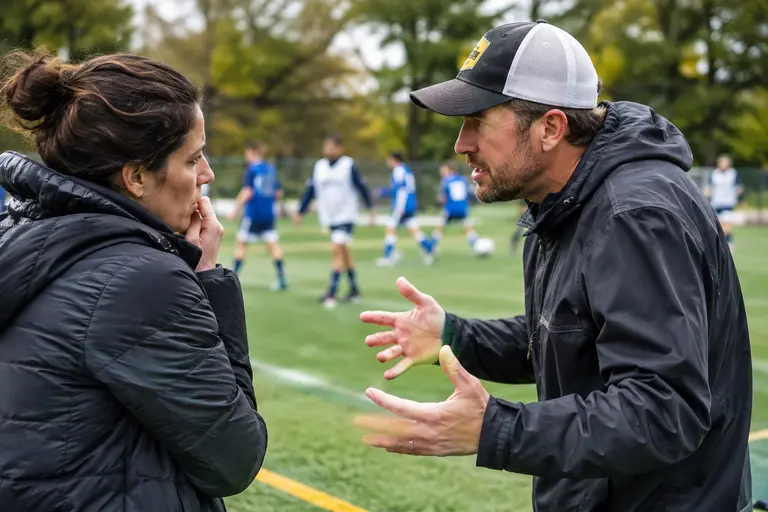
Healthy programs do not shut down parent questions. They shape the timing and tone. A parent should know whether to contact the coach after a 24-hour pause, send questions to a team address, or request a scheduled conversation. Coaches should know which topics are open for discussion and which are not. Athlete safety, communication clarity, and development goals should be open. In-game arguing over balls, strikes, and lineup decisions should not become a sideline debate.
That boundary is not about keeping parents away. It is about keeping young athletes at the center. Baseball and softball already ask kids to handle failure in public. A hitter can do everything right and still line out. A pitcher can make one missed location and watch the inning change. When adults stay steady, the athlete has a better chance to process the moment and return to the next pitch.
RBI Youth Complex Communication Priorities
Make The Message Match The Mission
The RBI Austin development reported in the research notes is about more than fields. A 33-acre campus with year-round programming potential can become a home base for skill work, mentorship, academics, and community connection. The communication system should match that wider mission. Families should hear not only where to park and when to arrive, but also how the program defines growth, leadership, school support, and team behavior.
Coach Parent Communication should be written, spoken, and repeated. Written messages help busy families keep track of details. Face-to-face meetings build trust. Short informal check-ins help coaches notice issues before they grow. None of those pieces works alone for every family, so a mix of channels is the safest path for a program serving many neighborhoods and age groups.
The best youth sports images often come from moments that are not staged: a coach kneeling to explain a grip, a parent clapping after a tough at-bat, teammates waiting at the dugout rail, a player learning to smile after a mistake. Those moments depend on the culture adults build. As RBI Austin’s complex moves toward its expected late-2027 completion, the communication plan can be just as valuable as the batting cages, classrooms, and fields. If families and coaches keep the message steady, the new facility can support better practices, better game days, and stronger memories for East Austin athletes.