
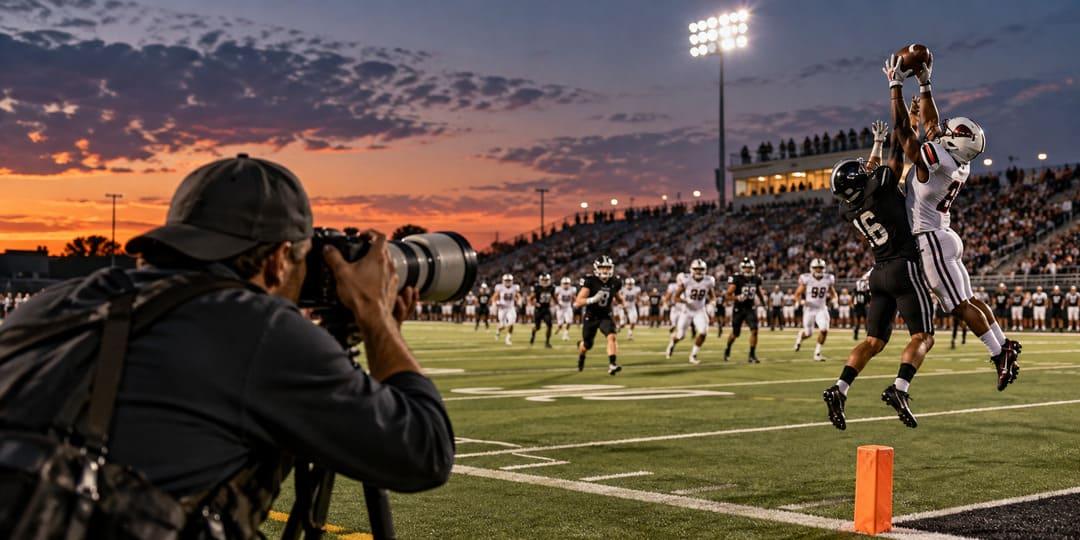
One photograph can make a routine defensive play look heroic. A highlight reel can make a streaky shooter look unstoppable. Good sports performance analysis begins by asking what happened outside the frame, especially when clips reach fans long before the full game is available.
The consequences extend past casual arguments. Guides to the best Texas sports betting sites compare betting products, not the reliability of a fan’s interpretation of one spectacular play. Texas has no state-licensed sportsbook market, and a persuasive highlight should never be mistaken for a sound performance forecast.
That question matters from professional stadiums to Texas school gyms. A parent might see a game-winning basket but miss the teammate who forced the turnover; a coach needs both possessions. Access to complete recordings and organized archives, not just viral clips, is one reason local sports streaming is valuable beyond the live audience.
A Perfectly Accurate Photo Can Still Mislead
Consider a photograph of a football defender stretching for an interception. The moment is real, but the image alone cannot show whether the defender anticipated the route or benefited from a tipped pass. Those are very different judgments about skill.
Evidence and interpretation are different. A photographer can establish where the ball and players were at one instant; a viewer needs the preceding action to explain why they were there. Body language deserves similar restraint. An exhausted expression after a loss does not establish a player’s attitude or preparation.
The professional standards for visual reporting emphasize accurate representation, context, and editing that does not distort what occurred. Sports editors can apply that principle through precise captions, sequences that show the buildup, and careful wording about what an image actually proves.
Sports Performance Analysis Begins Before the Highlight
The decisive moment is often the least useful place to start. On a basketball drive, the finish may attract every camera while a screen, a defensive rotation, or a missed switch made the opening possible. Rewind until the positions of all the relevant players are visible.
Then inspect the unsuccessful attempts. A receiver’s three stunning catches mean something different if they came on four targets rather than fourteen. A goalkeeper’s diving save tells you little about positioning until you also study the shots that required no dive.
This is the selection problem behind highlights: editors naturally choose remarkable outcomes, while meaningful performance also includes the ordinary decisions that never become clips. The solution is not to distrust great moments. It is to avoid treating a carefully selected sample as if it represents an entire game.
Different Cameras Answer Different Questions
Before choosing what to watch, decide what you want to know. The best image for appreciating athletic technique may be the wrong one for examining team structure.
| Visual evidence | What it reveals well | What it cannot establish alone |
|---|---|---|
| Action photograph | Contact, body position, visible emotion | Sequence, intent, repetition |
| Edited highlight | How a selected moment developed | How often similar attempts failed |
| Broadcast replay | Timing from an alternate angle | Off-ball movement outside the shot |
| Full-game, wide-angle video | Patterns across plays and possessions | Hidden assignments or unavailable viewpoints |
These formats work best together. Watch a disputed play at normal speed, review a wider angle if available, then return to the still image for precise positioning. Slow motion can clarify movement, but it also makes real-time decisions appear to have taken longer than they did.
For youth and local sports, a steady, wide recording may answer more coaching questions than beautifully edited close-ups. It preserves the unglamorous possessions on which a useful assessment depends.
Statistics Should Test the Story, Not Replace It
Numbers provide a check on what the camera emphasizes. One successful long pass looks dramatic; attempts, completion rate, opponent pressure, and field position help explain whether it reflects a repeatable advantage.
At the professional level, the NFL’s player-tracking performance data adds information such as movement, speed, separation, and completion probability. The point is not that every youth team needs sophisticated sensors. It is that difficulty and outcome are separate questions.
Available local statistics can still help. Record opportunities alongside successes; separate practices from games; note the opponent and the game situation. Avoid comparing players with different roles as though their totals measure identical responsibilities. When a statistic conflicts with the footage, investigate the disagreement rather than picking whichever supports your first impression.
The Next Clip Should Challenge Your First Impression
A practical review starts with one claim: “This defender consistently closes space,” for example. Find several comparable possessions, including the ones where an opponent escaped. Ask whether the player began in position, needed a recovery sprint, or relied on a teammate’s help.
Next, check what the recording excludes. Was the camera zoomed too tightly to see the buildup? Was a replay cut before the whistle? Did a caption confuse what was visible with what someone assumed? Missing context is a finding, not an invitation to invent an answer.
For photographers, that means publishing the striking frame without sacrificing the surrounding story. For coaches and families, it means judging young athletes by repeated decisions rather than a single triumph or mistake. For fans, it means enjoying the highlight while withholding the bigger verdict.
Sports performance analysis becomes more trustworthy when each new image is treated as a question to investigate, not a conclusion to defend. As ever more moments are clipped and shared, the advantage belongs to viewers who know when to look beyond them.