
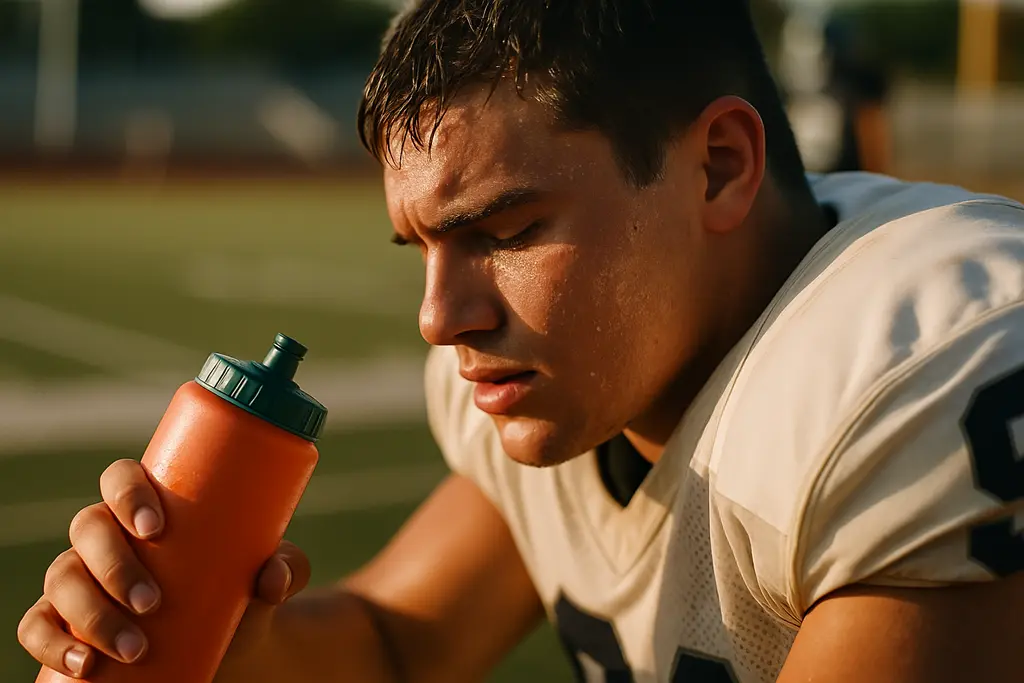
UIL heat safety moved from a best-practice conversation to a daily compliance issue for North Texas schools on August 1, 2026. For coaches, athletic trainers, band directors, campus leaders, and parents, the shift matters because outdoor football practices, cross-country workouts, soccer sessions, marching band rehearsals, and summer conditioning all share the same ethical concern: students can be harmed quickly when heat stress is not measured, communicated, and acted on.
The 2026–2027 school year placed more pressure on districts to build clear systems rather than depend on habit or judgment alone. Research notes show that UIL member schools must now use Wet Bulb Globe Temperature measurements for outdoor athletic and marching band activities. That matters in North Texas because late-summer practices often begin before families feel ready for another school year, while staff are also managing rosters, equipment, transportation, and parent communication.
From a sports ethics view, the standard is straightforward: young athletes and performers should not carry the risk created by poor planning. From a legal compliance view, the message is also direct. Written procedures, trained adults, and rapid response plans are not paperwork for a binder; they are part of the way schools show they took foreseeable heat risk seriously.
Why UIL Heat Safety Now Sets The Standard
What UIL Heat Safety Means On Practice Fields
The move to mandatory WBGT checks gives schools a shared reference point. Air temperature alone does not tell the whole story. Humidity, sun exposure, wind, and radiant heat can change what a practice feels like and how dangerous it becomes. By requiring WBGT measurements for outdoor athletics and marching band, the rules give coaches and directors a more reliable basis for adjusting workloads.
Research notes identify key thresholds tied to rapid cooling zones. When outdoor activities are held in WBGT conditions of 79.7 degrees Fahrenheit or above in Class 2, or 82 degrees Fahrenheit or above in Class 3, schools must have rapid cooling zones capable of full-body ice water immersion or an equivalent method, along with shade and cooling supplies. That requirement affects more than varsity football. It applies to the broader campus routine around outdoor activity, including band rehearsal fields and auxiliary practice areas that may sit far from the main athletic training room.
For football, research notes also identify a five-day heat acclimation period before full pads or full contact. During the earliest days, players are limited in what they can wear, beginning with helmets only. That slow ramp-up reflects a basic duty in youth sports: do not ask students to absorb a sudden physical load before their bodies have adapted to the heat.
Why North Texas Risk Feels Different In August
North Texas schools often restart major outdoor routines during the hottest part of the calendar. The concern is not only a single heat index number. It is the combination of new students, competitive roster pressure, marching drill repetition, football installation, limited shade, and practice blocks that may overlap with high heat. Research notes from Parkland Memorial Hospital in Dallas reported 31 people treated for heat-related illness during 2026 to that point, with 16 in July alone. That does not prove every school activity is unsafe, but it does show why local programs cannot treat heat planning as a minor issue.
For families, the change may feel most visible through schedule adjustments, longer rest breaks, more water access, cooling tubs, tents, and decisions to shorten or move practice. Those choices can frustrate competitive athletes who want every rep. Coaches should frame them as performance protection, not lost work. A player who avoids heat illness is available for the season, the classroom, and the next week of training.
Legal Duties Beyond The Sideline
Training, Written Plans, And Adult Accountability
Texas law already connects extracurricular activity to safety training. Texas Education Code provisions address safety training for coaches, athletic trainers, sponsors, and marching band directors, including training related to catastrophic injuries and heatstroke recognition under the state’s extracurricular safety framework Texas Education Code Chapter 33. For local schools, that means the adults closest to the field must know not only the signs of distress, but also the chain of action once symptoms appear.
HB 121 from the 89th Legislature led to rules requiring each district’s written plan for extracurricular activities to include protocols for extreme heat, along with adverse-weather planning such as lightning and heavy rain. The adopted rules also state that the written plan must be provided to the Texas Education Agency upon request Texas adopted rules. That makes heat planning a governance issue, not just an athletic department preference.
For school boards and administrators, this raises practical questions: Who takes the WBGT reading? Where is it recorded? Who has authority to modify practice? Where is the cooling zone located? How are substitute coaches, volunteer assistants, and band staff briefed? A plan that answers those questions before the first whistle protects students and gives staff a clear path during stressful moments.
Liability Protection Does Not Erase Duty Of Care
Texas law includes language that adopting safety training does not automatically create liability or a legal standard of care for the UIL, school districts, or employees, except where negligence or wilful misconduct is involved. That protection should not be misread as permission to be casual. Once protocols exist and training is required, failure to follow them can create serious legal and ethical concerns.
In youth sports, duty of care is also about trust. Parents send students to early practices believing adults will balance competition with safety. Athletes often push through discomfort because they want a role on the team. Marching band students may do the same because they do not want to lose a spot in drill. Adults have the responsibility to step in before pride, pressure, or fear of losing status overrides safety.
How Schools Can Adapt Without Losing Sports Identity
Building Heat Rules Into Team Culture
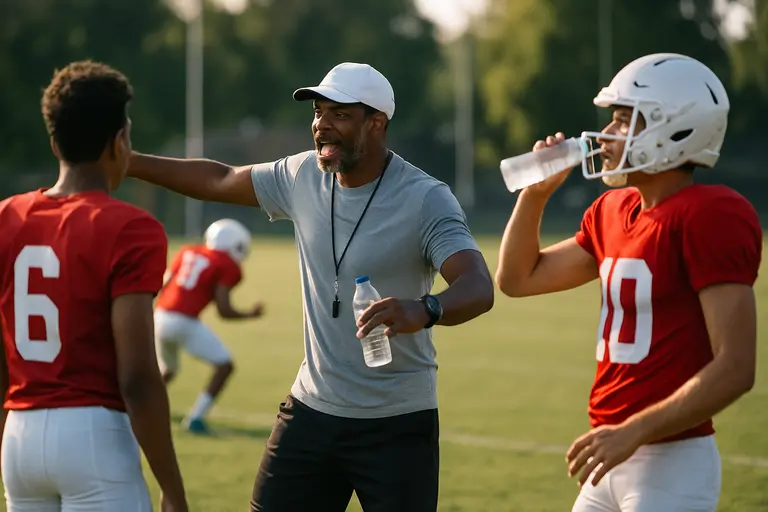
Strong programs can treat heat protocols as part of discipline. Captains can model hydration breaks. Position coaches can rotate high-intensity periods. Band directors can plan drill instruction around shaded recovery intervals. Athletic trainers can brief teams in plain language so students understand why WBGT readings matter.
A practical campus plan can include:
- Assigned staff for WBGT readings before and during outdoor activity.
- Clear authority for modifying, delaying, or ending practices.
- Rapid cooling zones placed close enough for fast access.
- Parent communication before August workouts and rehearsals begin.
- Documentation of training, readings, schedule changes, and heat-related incidents.
For community leagues and school-adjacent programs, the school standard can also shape expectations. Families notice whether adults talk openly about safety. A clear parent message before practices can reduce confusion when sessions move earlier, shift indoors, or end sooner than planned. For more local safety context, see this related piece on UIL heat guidelines.
Why Communication Matters Before The First Emergency
The best heat plan is not hidden in a policy folder. It should be explained to students and families in preseason meetings, posted in coach materials, and repeated when weather conditions change. Coaches do not need to make the message dramatic. They only need to be clear: heat rules protect availability, health, and fair participation.
That communication is especially important for multi-sport athletes and band students who may move from one outdoor activity to another. A student might attend football, then private training, then a band-related session in the same week. Schools cannot control every outside activity, but they can teach warning signs and encourage families to report symptoms early.
UIL Heat Safety And North Texas Trust
UIL heat safety is now part of how North Texas schools show they value students beyond wins, rankings, and Friday night performance. The rules matter because they make invisible risk visible. A WBGT reading, a cooling zone, and a written extreme heat protocol are practical signs that adults are paying attention before a medical crisis occurs.
There will still be hard choices. Moving practice can strain transportation. Shortening a rehearsal can affect preparation. Adding equipment and staff procedures can stretch budgets. Yet the ethical priority remains steady: schools should not ask young athletes or performers to carry preventable heat risk because a schedule was easier to keep unchanged.
For North Texas communities, the goal is not less competitive sports. It is safer player development, better adult decision-making, and a shared standard parents can understand. UIL heat safety gives schools a clearer framework, but the daily work belongs to local leaders on practice fields, tracks, and rehearsal lots across the region.