

The Colton Nussmeier case put athletic transfers at the center of a Texas high school sports debate that touches families, coaches, teammates, and communities. On July 9, 2026, the University Interscholastic League State Executive Committee voted 4-1 to deny Nussmeier varsity eligibility at Denton Ryan High School after ruling that he transferred for athletic purposes, according to Dave Campbell’s Texas Football.
That decision did more than affect one quarterback’s playing status. It raised a local sports question that many Texas communities know well: how should governing bodies protect competitive fairness without treating a student’s family move, academic goals, or development path as suspect? The answer is not simple, and responsible coverage should avoid turning a student-athlete into a symbol for every transfer dispute. Still, Nussmeier’s case offers a useful way to discuss ethics, rules, and trust in school sports.
Why Athletic Transfers Raised Ethical Questions
Athletic Transfers And The UIL Process
Under the UIL rule described in the research record, a student who changes schools specifically for athletic reasons is ineligible for varsity athletic contests for one calendar year, even if the family moves into the new attendance zone. The rule is meant to discourage recruiting and preserve competitive balance among schools that draw from defined communities.
The case reached the state level only after an earlier local step did not settle the matter. The District Executive Committee was split 3-3 on whether Nussmeier transferred for athletic purposes, which sent the appeal to the UIL State Executive Committee. That split matters because it shows the facts were not read the same way by every decision-maker. For families watching from the stands, a split vote can feel like proof that transfer intent is hard to judge from the outside.
What The July 9 Decision Settled
The July 9, 2026 ruling settled varsity eligibility for Nussmeier at Denton Ryan under UIL authority. It did not settle every ethical question around high-profile student moves. Nussmeier was a Georgia Bulldogs commit and a four-star quarterback, according to the same Texas Football report. That visibility likely made the case easier for the broader Texas high school football community to notice, but visibility should not be confused with guilt or intent.
For Texas families, athletic transfers are rarely just about football. A move can involve academics, family employment, housing, coaching fit, safety, transportation, or a student’s need for a fresh school setting. At the same time, schools and governing bodies must guard against adults using transfers to stack rosters. The ethical tension sits right there: protecting the student without ignoring the team, the district, or the opponents who follow the same rules.
Fairness, Family Choice, And Team Trust
The Family Rights Side Of The Debate
The research record states that Texas law applicable as of September 1, 2025 allowed students under 21 who had not graduated to transfer between school districts annually if the receiving district and parent or guardian provided written voluntary approval, with district acceptance still discretionary. That legal framework recognizes family choice in public education. It also creates a separate question for sports: a student may be accepted by a school district yet still face limits on varsity eligibility.
That separation can be hard for families to accept. If a move is lawful for school enrollment, a parent may ask why varsity participation should be restricted. For a senior or upperclassman, a one-calendar-year varsity penalty can feel especially severe because the high school playing window is short. In a sport like football, where game film can affect recruiting attention, losing varsity access can carry real development consequences.
The Competitive Balance Side Of The Debate
Supporters of strict enforcement see the rule differently. They argue that without transfer limits, schools with strong programs, recognized coaches, or college recruiting visibility could become magnets for top athletes. That would strain trust between neighboring schools and could leave smaller or less visible programs at a disadvantage.
Those numbers make athletic transfers a policy issue, not a one-family story. The research record says that in the 2025-26 school year, about 17,000 to 18,000 new students sought to play sports at a UIL high school after transferring. It also says fewer than 15 transfer cases that were flagged as athletically motivated and appealed to the state ended with varsity ineligibility. That gap suggests that most transfer students were not barred at the state level, but it also raises a fair concern: when enforcement is rare, communities need confidence that the rare denials are based on clear evidence and consistent standards.
Due Process Lessons From The Nussmeier Ruling
The Paperwork Burden On Students
The Previous Athletic Participation Form, often called the PAPF, sits at the center of many transfer cases. Based on the research record, if the former school checks the box stating that a transfer was for athletics, the matter goes to a District Executive Committee hearing. If that box is not checked, the student is immediately eligible. That makes paperwork more than an administrative task; it can become the doorway to a public eligibility fight.
Ethically, that process demands care from adults. School officials should avoid casual judgments, families should provide accurate information, and committees should weigh evidence without turning the hearing into a character judgment of a teenager. A transfer case can affect a student’s reputation far beyond one schedule. Local sports communities should remember that the athlete is still a high school student, even when the recruiting profile is national.
Why High-Profile Athletes Need Equal Standards
Nussmeier’s on-field record made the case more visible. At Marcus in Flower Mound, he threw for over 1,300 yards and 12 touchdowns in his prior season, and he had more than 3,500 passing yards and 32 touchdowns across three seasons, according to a MaxPreps report. Those numbers explain why fans and media paid attention, but they do not answer the ethics question by themselves.
In the Nussmeier case, athletic transfers also raised a concern about visibility. A well-known quarterback may receive more scrutiny than a less public athlete making a similar move. That does not mean the ruling was wrong; the available research does not prove unequal treatment. It does mean that governing bodies should explain decisions in a way that helps the public see the difference between a rule-based finding and a popularity-based reaction.
There is also a communication lesson for schools. Coaches and administrators should be careful not to frame a transfer athlete as either a savior or a problem. Teammates at the new school did not create the eligibility process, and athletes at the former school deserve respect as well. Ethical storytelling should keep the focus on rules, process, and community impact rather than personal blame.
Community Standards For Transfer Cases
How Schools Can Build Trust
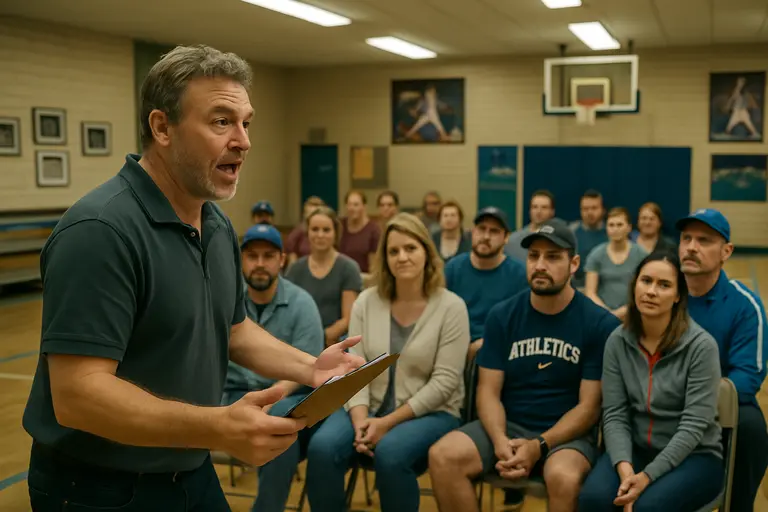
Texas high school sports depend on public trust. Families buy tickets, volunteers work concession stands, bands and cheer programs support Friday nights, and local businesses often feel the game-week effect. Transfer disputes can weaken that trust if people believe decisions are hidden, rushed, or influenced by a program’s reputation.
Schools can help by giving families clear information before a transfer is filed, explaining what the PAPF asks, and setting expectations about hearings. Committees can help by keeping the discussion tied to evidence. Media outlets can help by avoiding rumor and by naming only the facts that are verified. In youth and school sports, accuracy is not just a reporting standard; it is part of athlete care.
What Families Can Take From This Case
The public lesson from athletic transfers is that intent matters, documentation matters, and timing matters. A family considering a school move for many reasons should understand that varsity eligibility may be reviewed separately from enrollment. That review can involve prior schools, district committees, and state-level decision-makers.
Families should also recognize that a high-profile recruiting status can draw attention, but the core issue remains the same for every athlete: whether the move was made for athletic purposes under UIL rules. The available research supports the fact of Nussmeier’s ineligibility ruling and the narrow vote; it does not support broad claims about motive beyond the UIL finding. Responsible community discussion should stay within those limits.
Why The Colton Nussmeier Case Still Matters
The Nussmeier ruling remains relevant because it shows how one eligibility decision can ripple across a local sports community. Denton Ryan, Marcus, district officials, teammates, families, and fans all became part of a larger conversation about fairness and opportunity. That conversation should be serious without becoming sensational.
For Texas high school athletics, the best path is not to treat every transfer as suspicious or every rule as unfair. The better standard is consistent review, clear communication, and respect for student-athletes whose lives are affected by adult decisions. Athletic transfers will continue to test the balance between family choice and competitive fairness, and the Nussmeier case gives communities a concrete example of why that balance deserves careful, verified, sports-first discussion.